
It’s the first days of Fall and our very first report for this Fall’s foliage progression in New York City. Fall is one of our favorite times of year here in New York City. The cooler weather is a welcome relief after the long, hot summer, and the changing leaves are simply beautiful. It is still fully green in our area, with a few early turners spotted in random places in the city.
This year, we’re predicting an early fall with peak foliage that will hit the city sometime in mid-to-late October. Follow us this season for foliage reports in the city, perfect fall gateways ideas, and the best spots to see the leaves.

So what is happening now?
Our Fall version of our home page shows a list of trees and will indicate whether or not that tree is in peak color. 2021 and 2022 brought beautiful bright colors, and we hope to see this magnificent show this year.
Summer Foliage – Why does it happen?
Summer foliage is when trees lose their leaves in summer. It’s a natural process that happens because the tree is trying to conserve water. The leaves act as a barrier between the hot summer sun and the tree’s trunk. When the leaves are gone, the tree can cool off faster. Summer foliage also helps protect the tree from summer pests. So if you see a tree without leaves in summer, don’t worry! It’s just nature doing its thing. However, due to global warming, summer foliage has been happening earlier and lasting longer in some areas. This means that the tree is under stress for a longer period of time and can become more susceptible to disease and pests. So if you see a tree without leaves, make sure to give it some extra TLC!
Here are some pictures of trees that are under summer foliage:
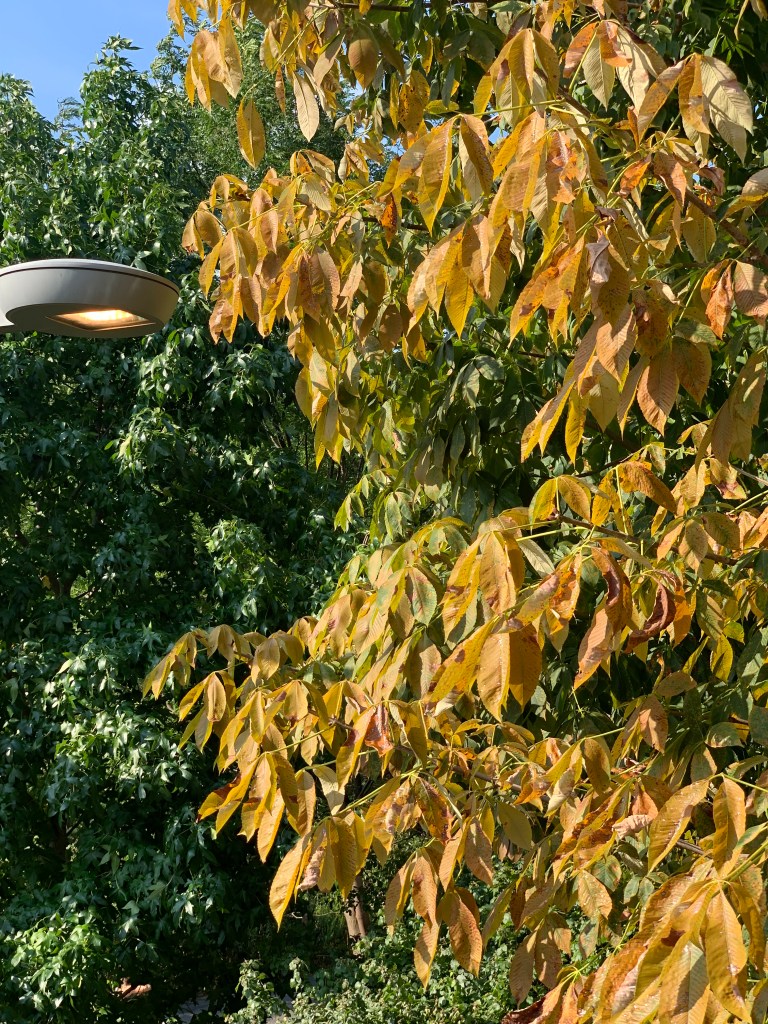


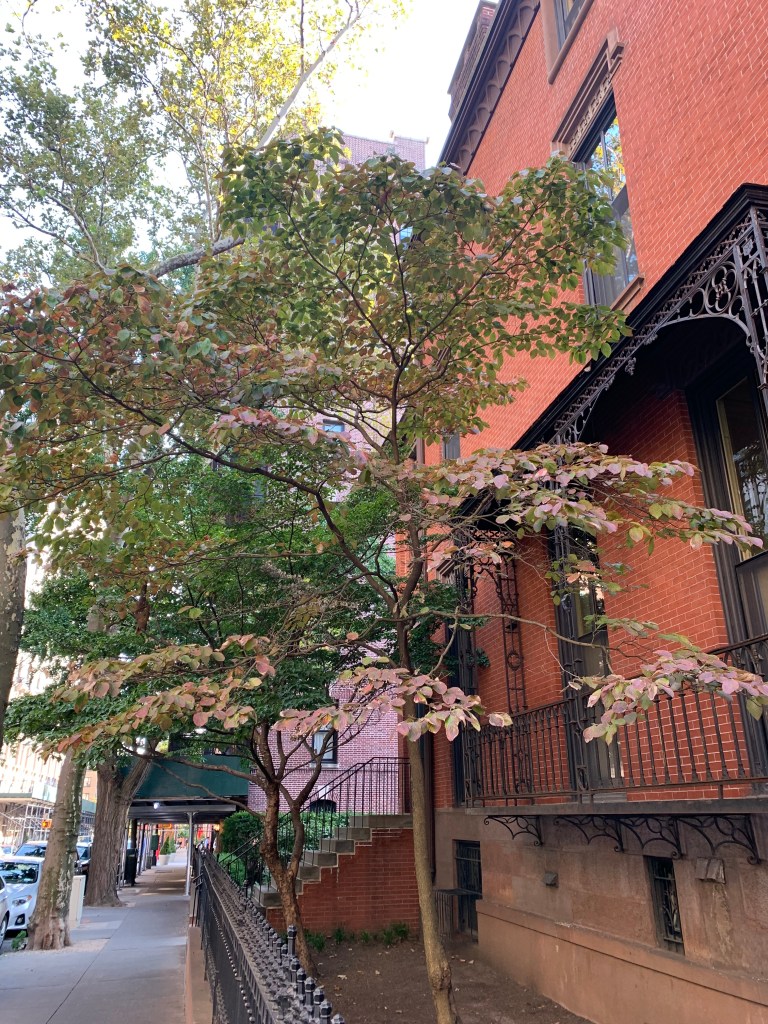


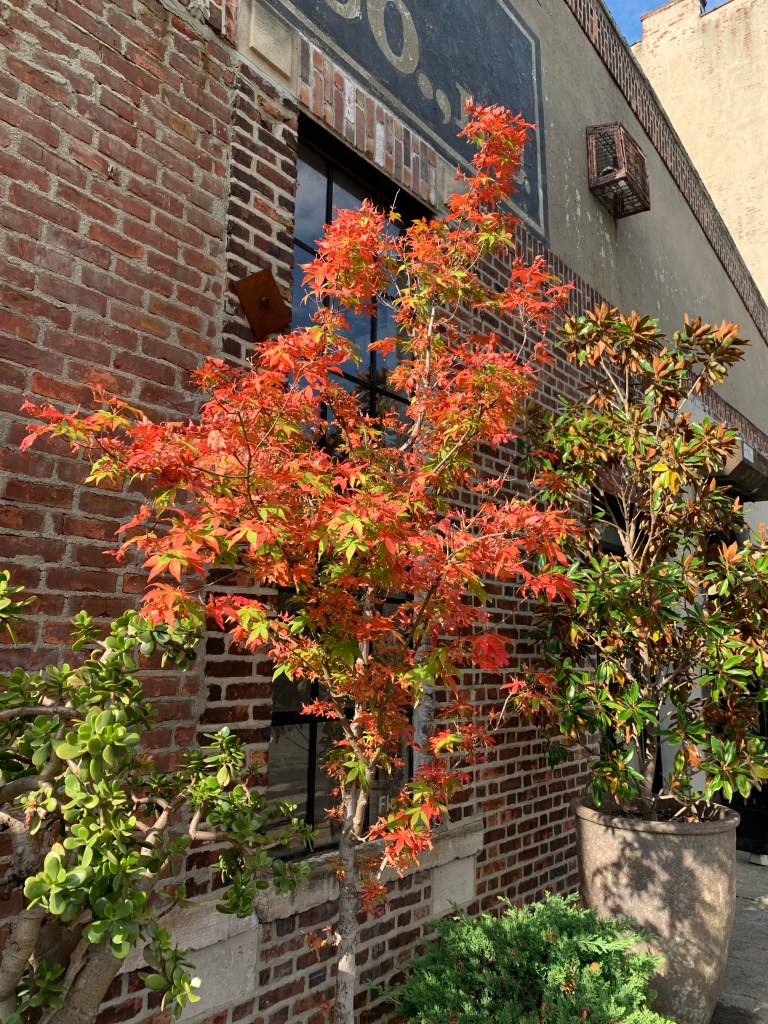
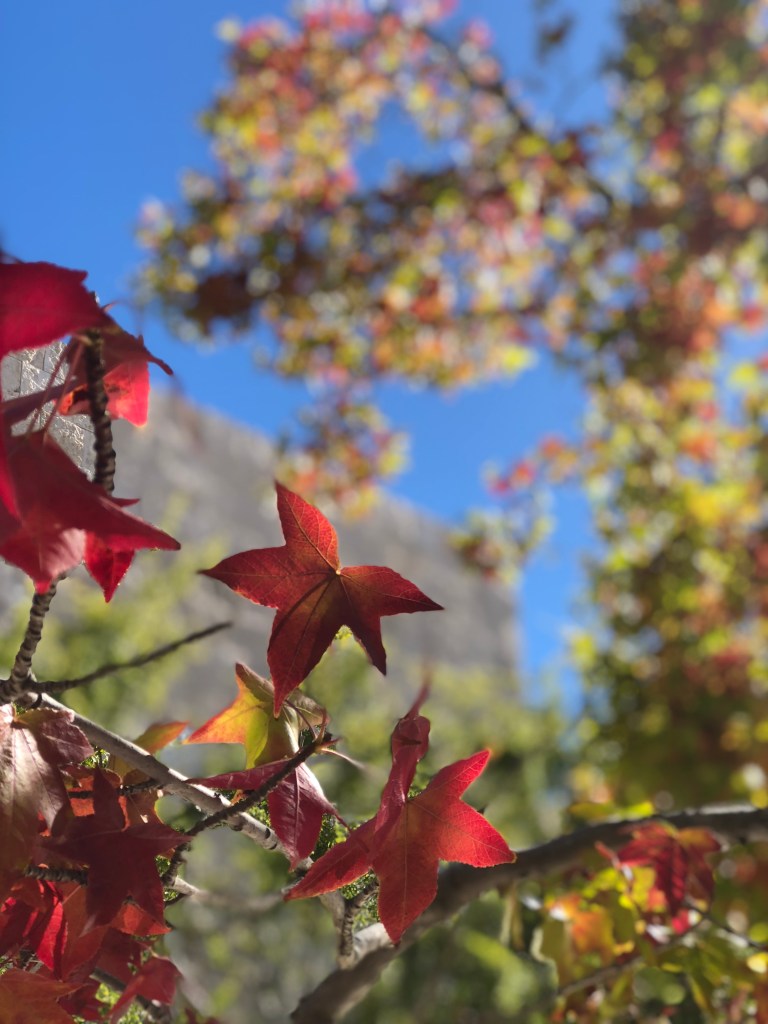
On the other hand, we have spotted some early fall colors in a few trees in Brooklyn.


The Conditions for Best Fall Colors
As the days get shorter and the temperatures start to drop, foliage progression conditions are key in predicting when leaves will change color and fall off the trees. While weather plays a big role in determining how colorful leaves will be, foliage progression conditions give clues as to when peak foliage season will occur in different areas. Here’s what you need to know about foliage progression conditions and how they can help you plan your fall foliage viewing.
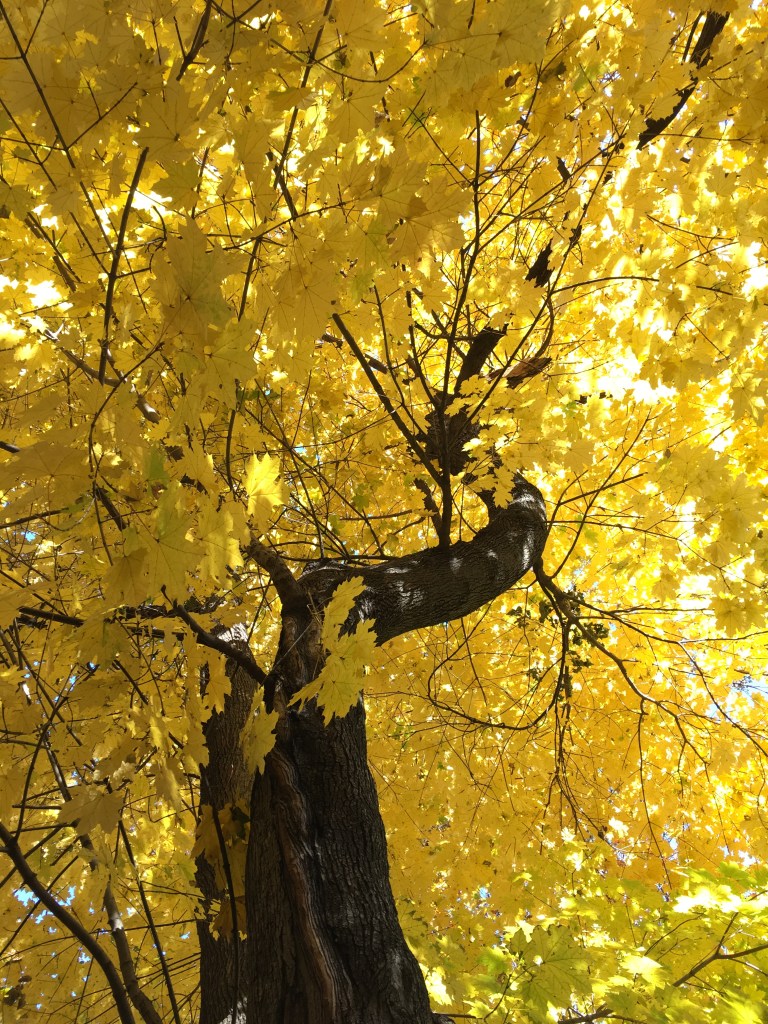
Several factors are at play when it comes to the colors of fall foliage. The most crucial factor is the amount of sunlight the leaves receive. Leaves need sunlight to produce chlorophyll, which gives them their green color. In the fall, there is less sunlight available, and as a result, chlorophyll breaks down. This process exposes other colors that were previously hidden by the green chlorophyll.
Soil type can also affect fall colors. For example, leaves growing in acidic soil tend to be red or purple, while those in alkaline soil will be yellow or orange. Another factor is temperature; cool nights and warm days produce more vibrant colors than extremes alone. Finally, leaf dryness also plays a role; if leaves are dry, they will change color faster than if wet.



Don’t miss the latest updates, and subscribe now:
Visit our Instagram and watch our stories to get more live updates.
 NYC SEASON WATCH