
As autumn begins to paint the city in vibrant hues, we’re excited to share our first foliage report. While our area is still lush green, a few early birds have already begun to change color.
We anticipate a later-than-usual peak foliage season in New York City, with the most stunning displays expected in late October or early November.
Stay tuned for regular updates on the city’s foliage progression and discover the best spots to experience the autumnal beauty, and the best spots to see the leaves.
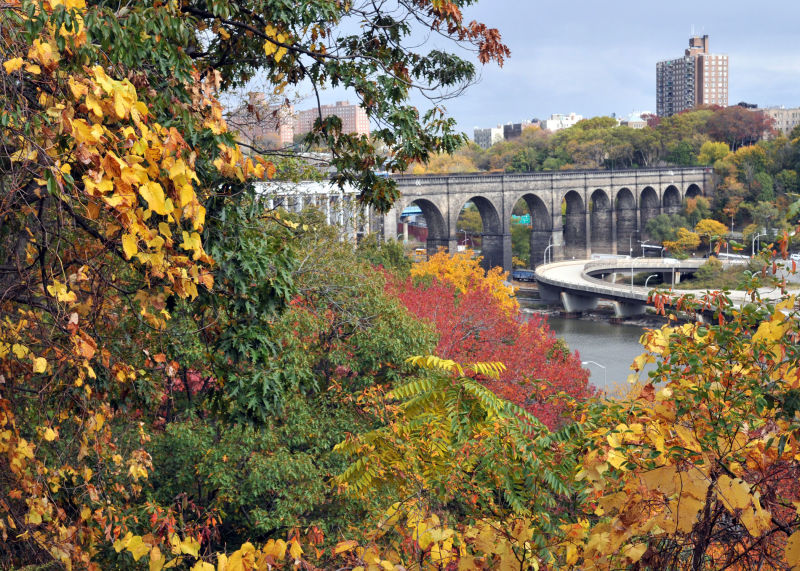
So what is happening now?
Our home page now features a list of trees, updated in real time to show their current foliage status. Discover which trees are at their peak color and plan your autumn adventures accordingly.After witnessing breathtaking displays in 2021, 2022, and 2023, we eagerly anticipate another magnificent fall foliage season this year.
Summer Foliage – A Natural Phenomenon
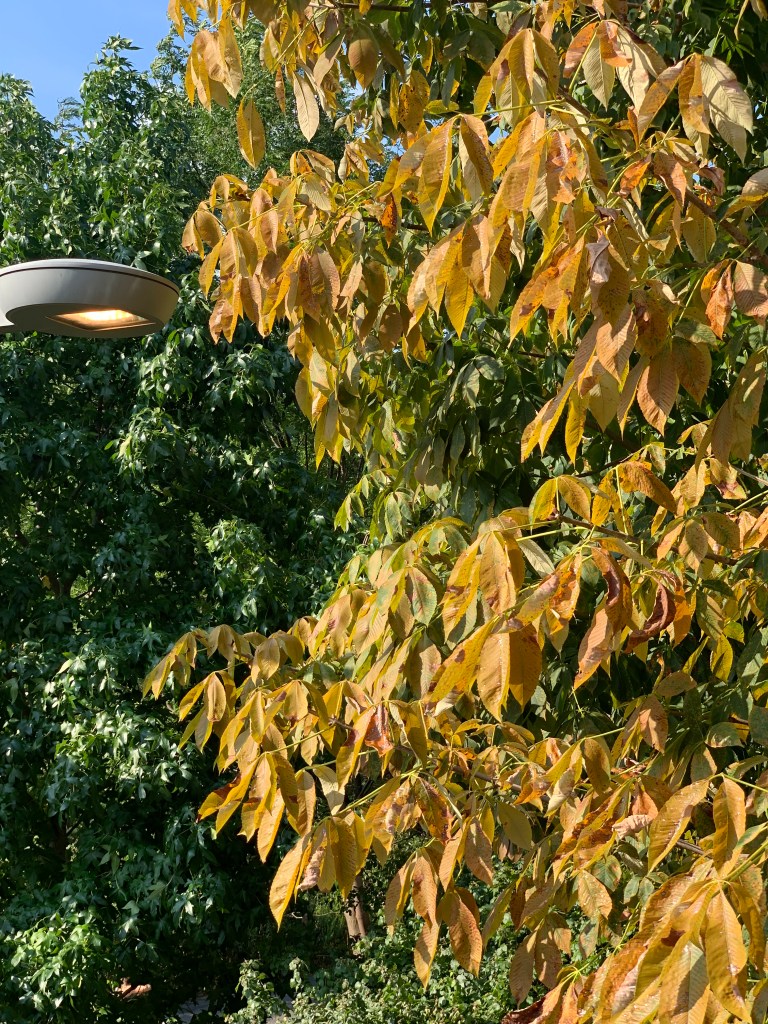
Summer foliage refers to the early or prolonged loss of leaves by trees during the summer season. This is a protective mechanism, allowing trees to conserve water and regulate their temperature in response to the hot weather. While it’s a normal process, global warming has led to earlier and more extended summer foliage in some regions.
This extended period of stress can increase a tree’s vulnerability to diseases and pests. Therefore, it’s essential to provide extra care to trees experiencing summer foliage, ensuring they receive adequate water and nutrients.
Here are some pictures of trees that are under summer foliage:


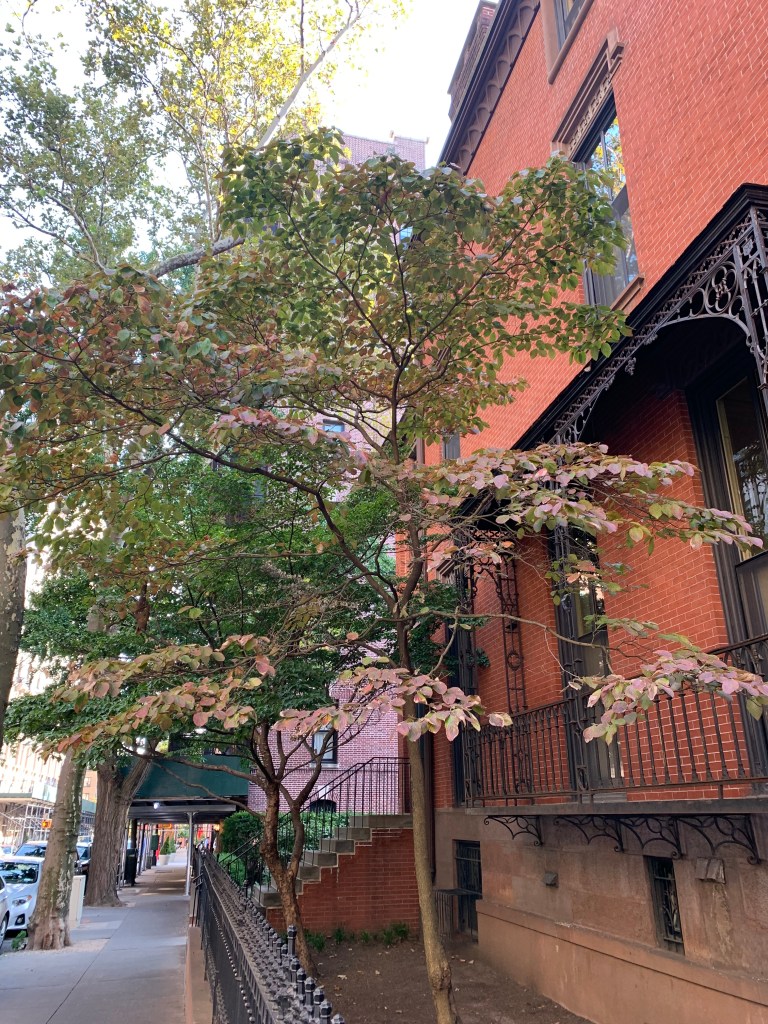


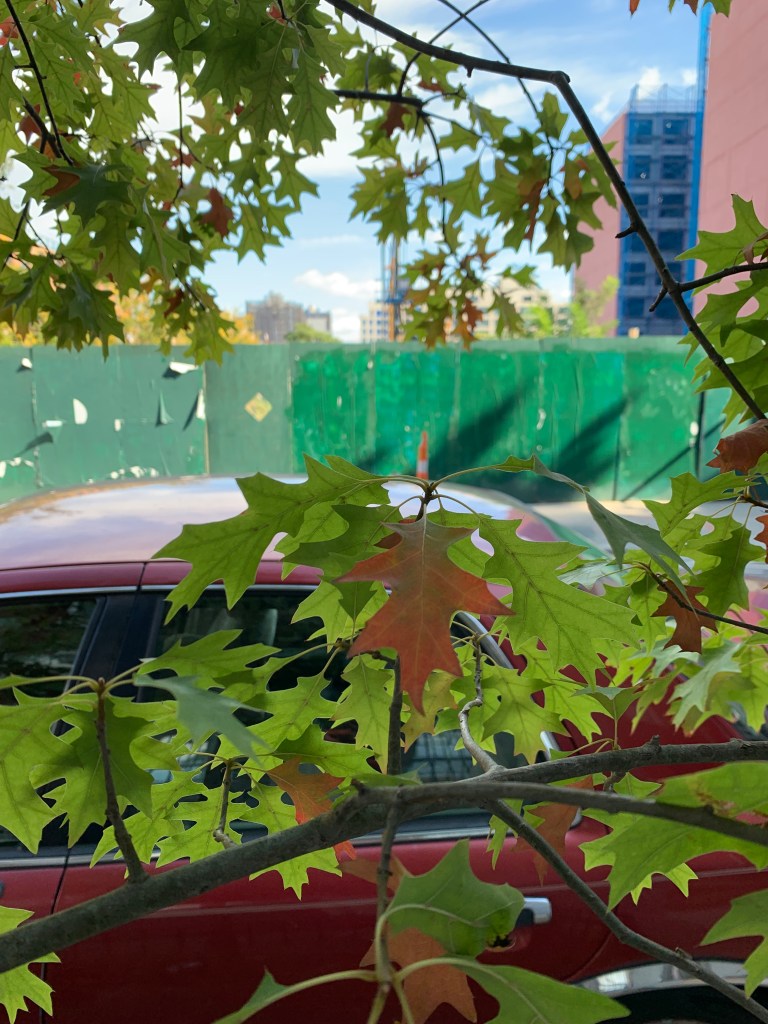
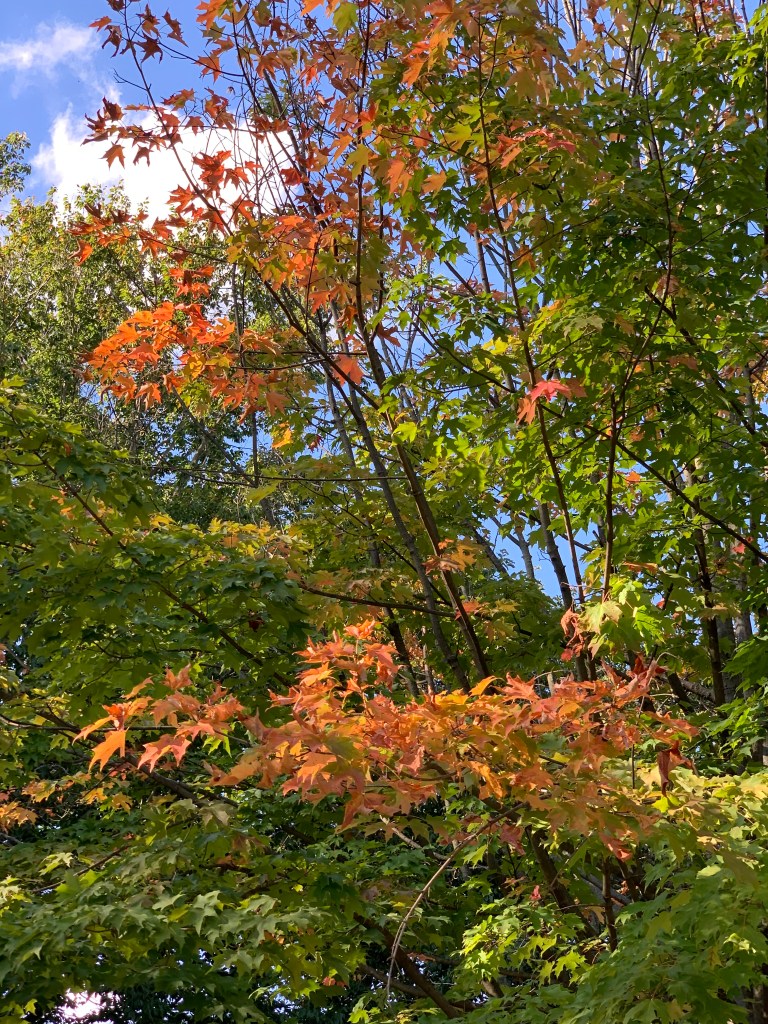
Meanwhile, early fall colors are emerging in a handful of Brooklyn trees:


Factors Influencing Fall Foliage
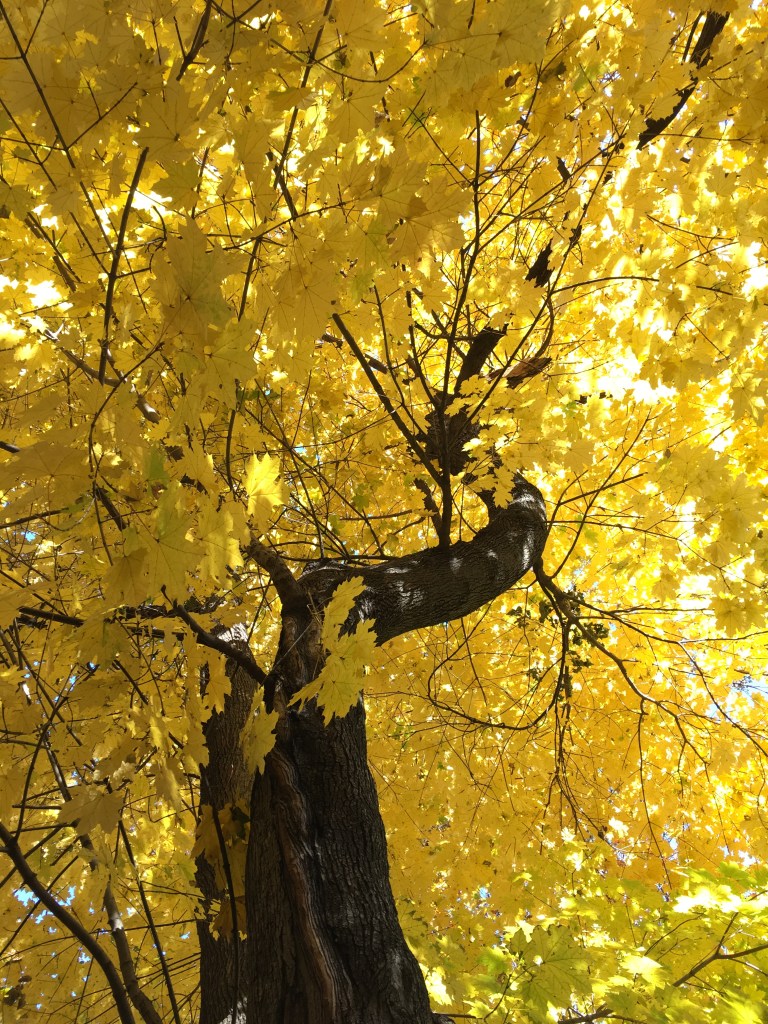
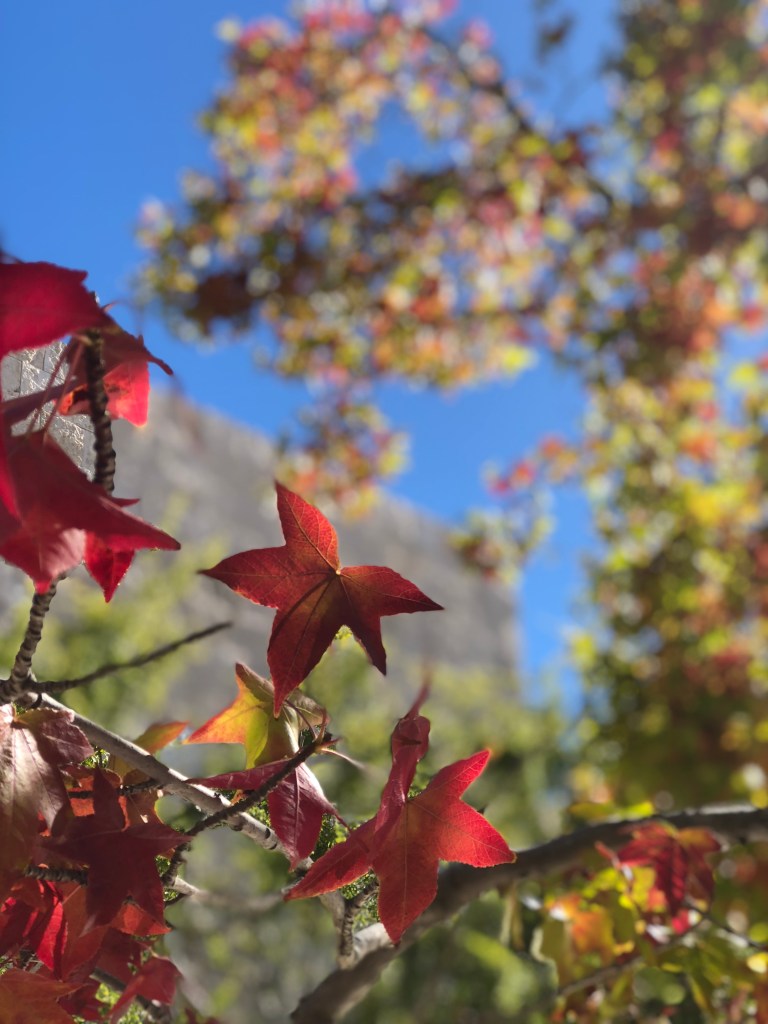
The vibrant hues of autumn foliage are a result of various environmental conditions. As days shorten and temperatures cool, these factors play a critical role in determining when leaves change color and eventually fall. While weather is a significant influence, understanding foliage progression conditions can help predict peak foliage seasons in different regions.
Sunlight: The amount of sunlight a leaf receives is a primary determinant of its color. Chlorophyll, the pigment responsible for the green color, requires sunlight to produce. As daylight decreases in autumn, chlorophyll production slows, revealing the underlying pigments of red, orange, and yellow.
Soil Type: The acidity or alkalinity of the soil can also impact fall colors. Leaves growing in acidic soil often exhibit red or purple hues, while those in alkaline soil tend to be yellow or orange.
Temperature: A combination of cool nights and warm days is optimal for producing vibrant fall colors. Extreme temperatures, either too hot or too cold, can diminish the intensity of the colors.
Leaf Moisture: Dry leaves tend to change color more rapidly than wet leaves. Adequate moisture is essential for maintaining leaf health and vibrant colors.



Don’t miss the latest updates, and subscribe now:
Visit our Instagram and watch our stories to get more live updates.
 NYC SEASON WATCH