February 09, 2025 – Awaiting Spring’s Arrival – Part 2

New York City in winter can feel like a never-ending saga. We’ve endured the blustery winds, the icy sidewalks, and the seemingly perpetual gray skies. Two months into the new year, and the anticipation for spring is reaching fever pitch. We’re all dreaming of warmer days, vibrant colors, and the sweet scent of blooming flowers. But when will we finally see the first signs of spring in NYC, and more importantly, when will those iconic cherry blossoms grace us with their presence?

The wait can be agonizing, especially when glimpses of spring tease us with a slightly warmer day or a fleeting patch of sunshine. We start to crave the simple pleasures: shedding those bulky winter coats, strolling through parks without battling a biting wind, and witnessing the city come alive after its winter slumber.

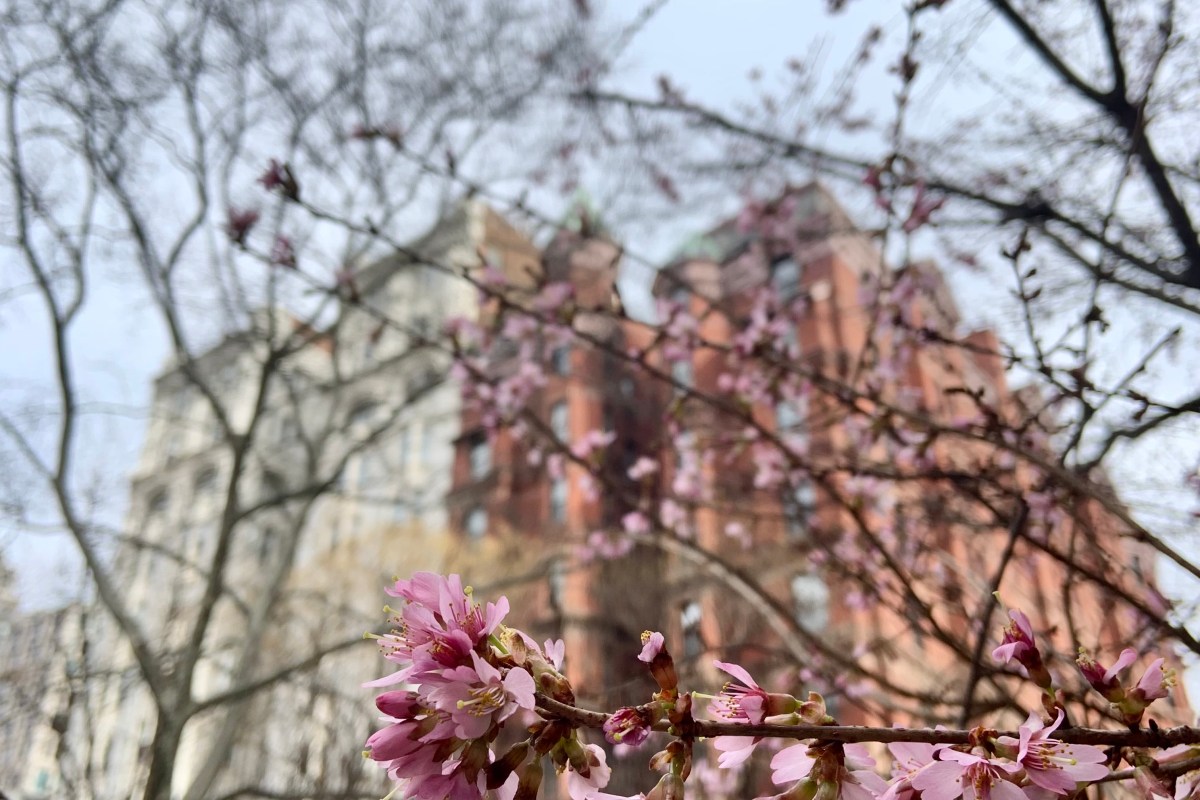
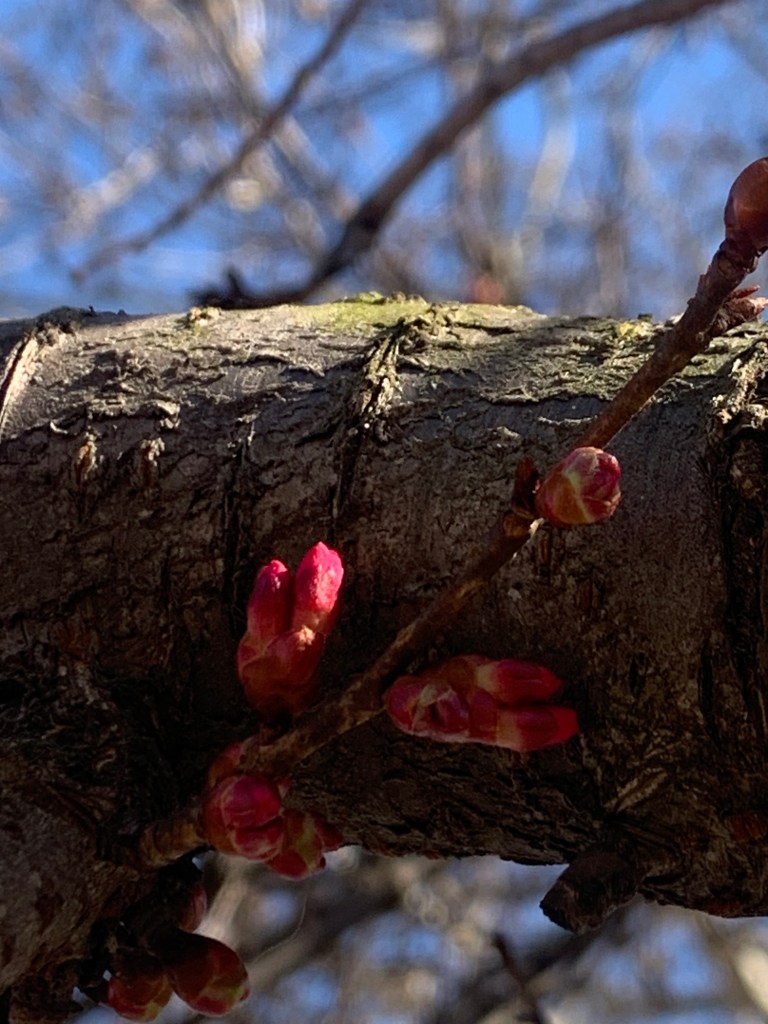
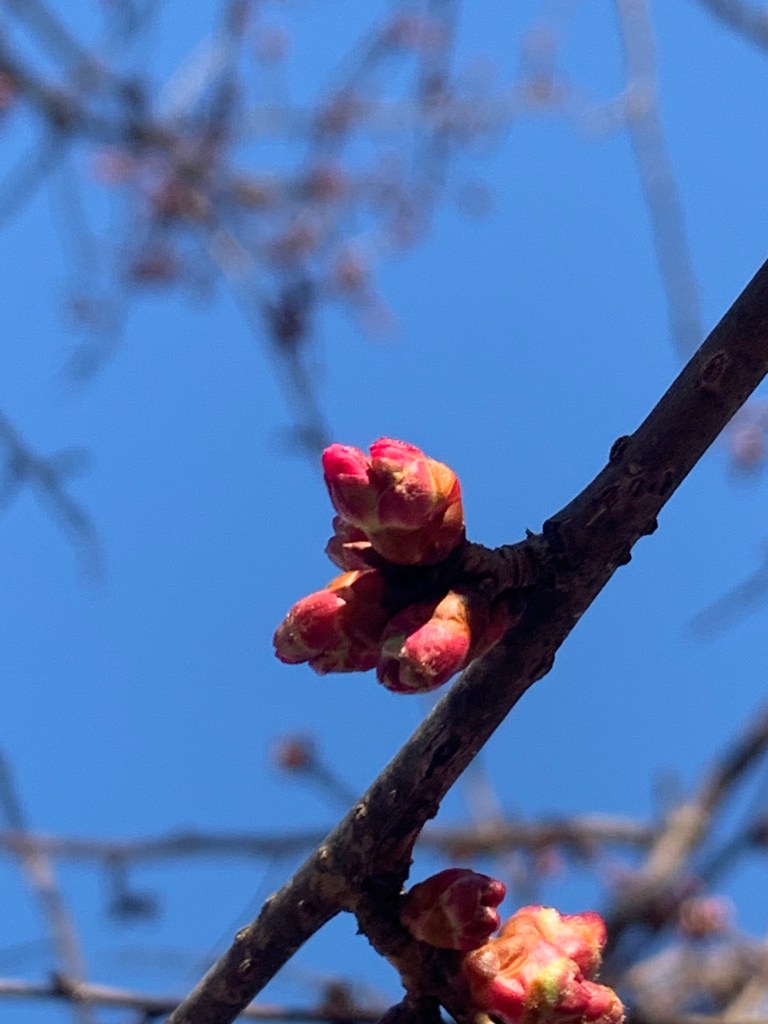
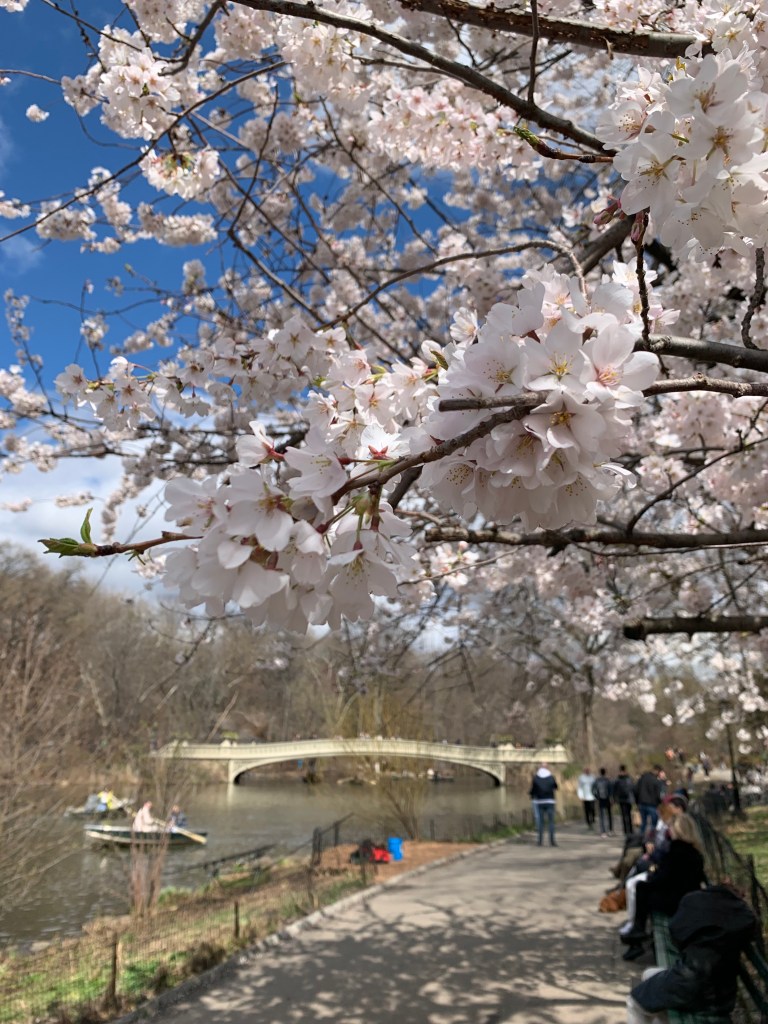
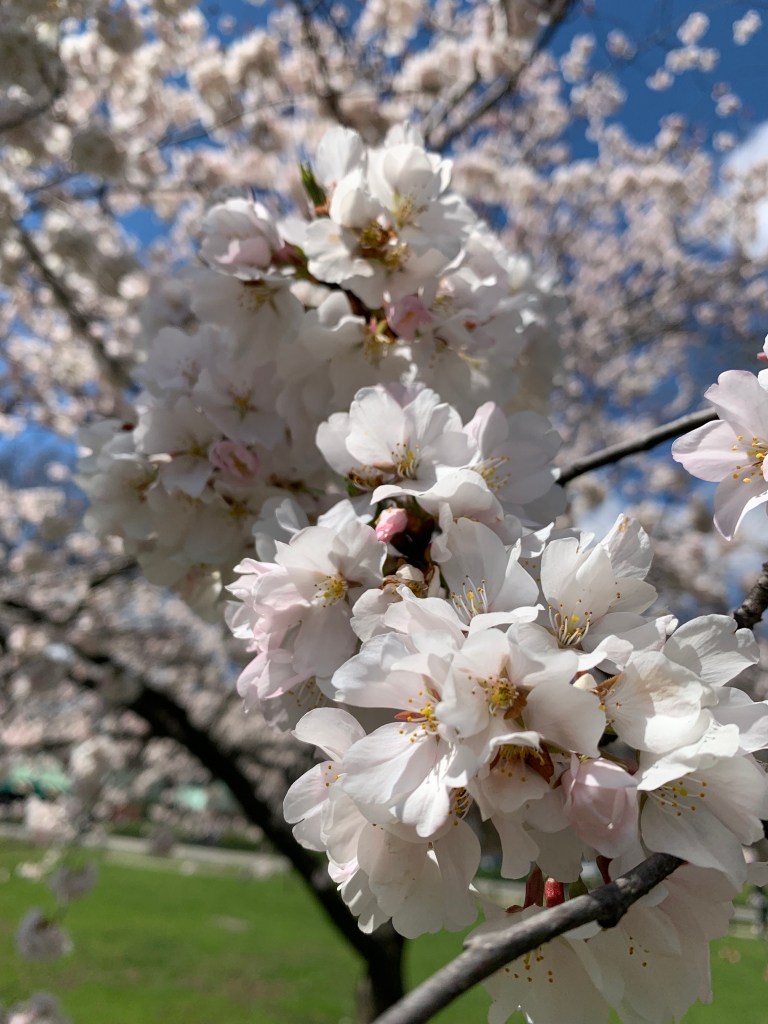
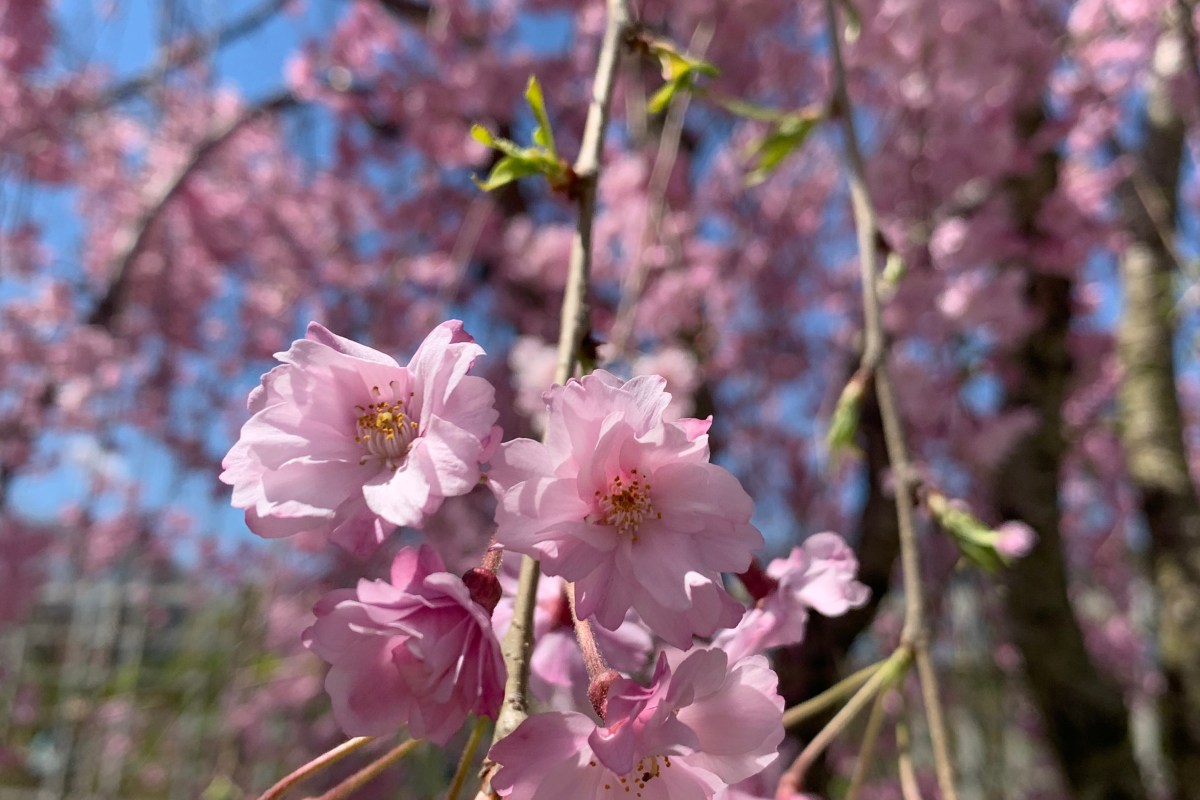
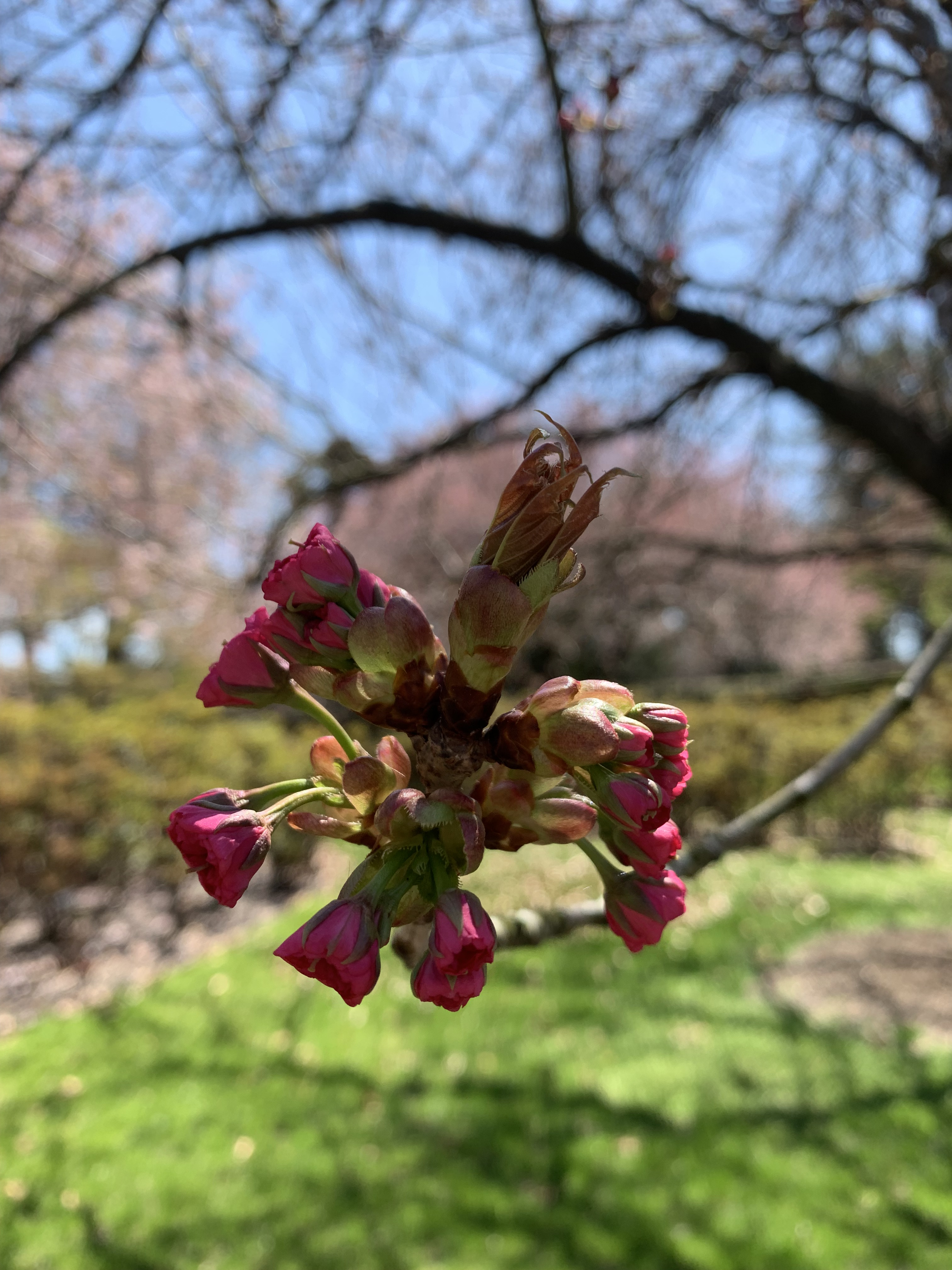
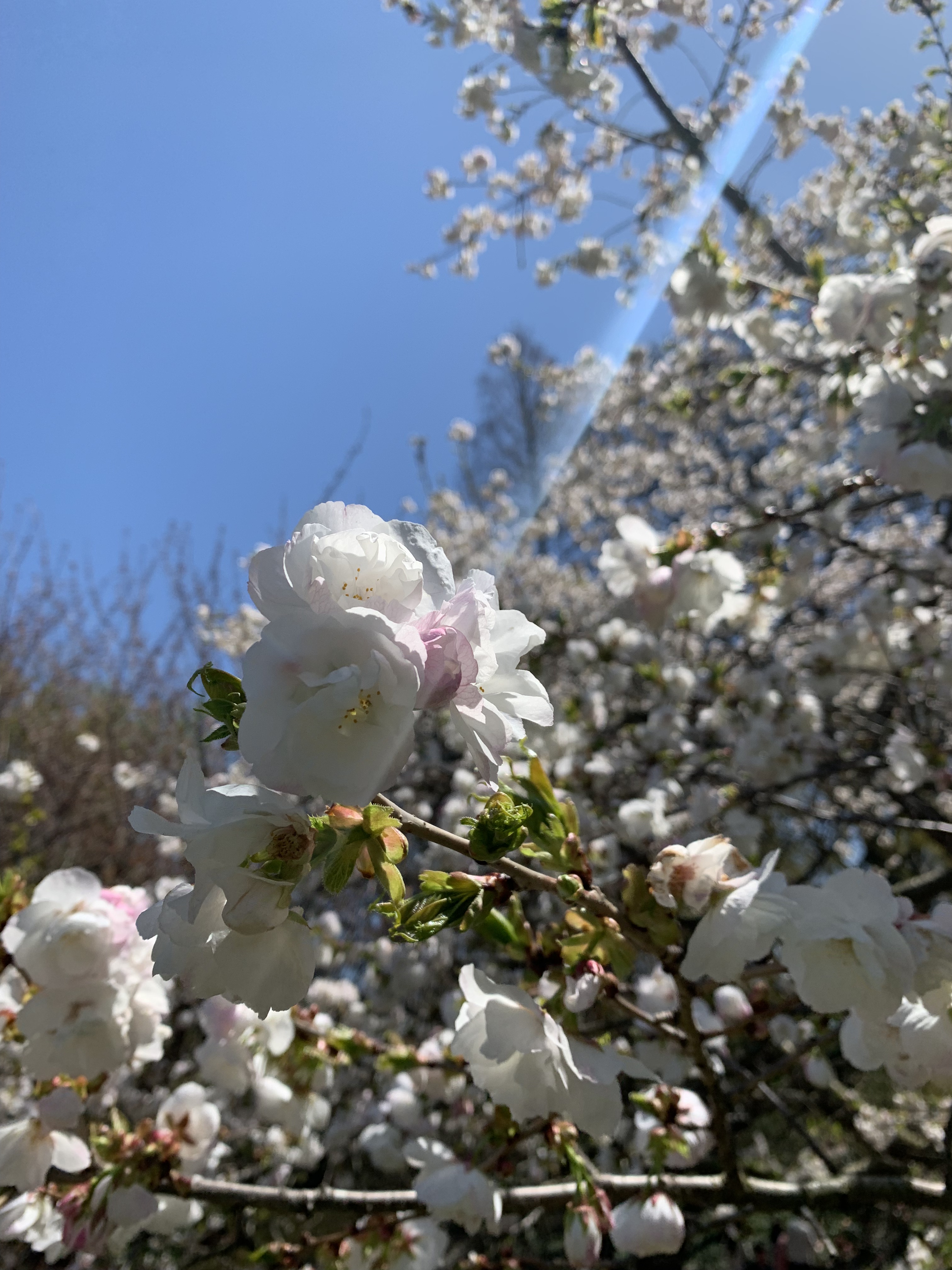
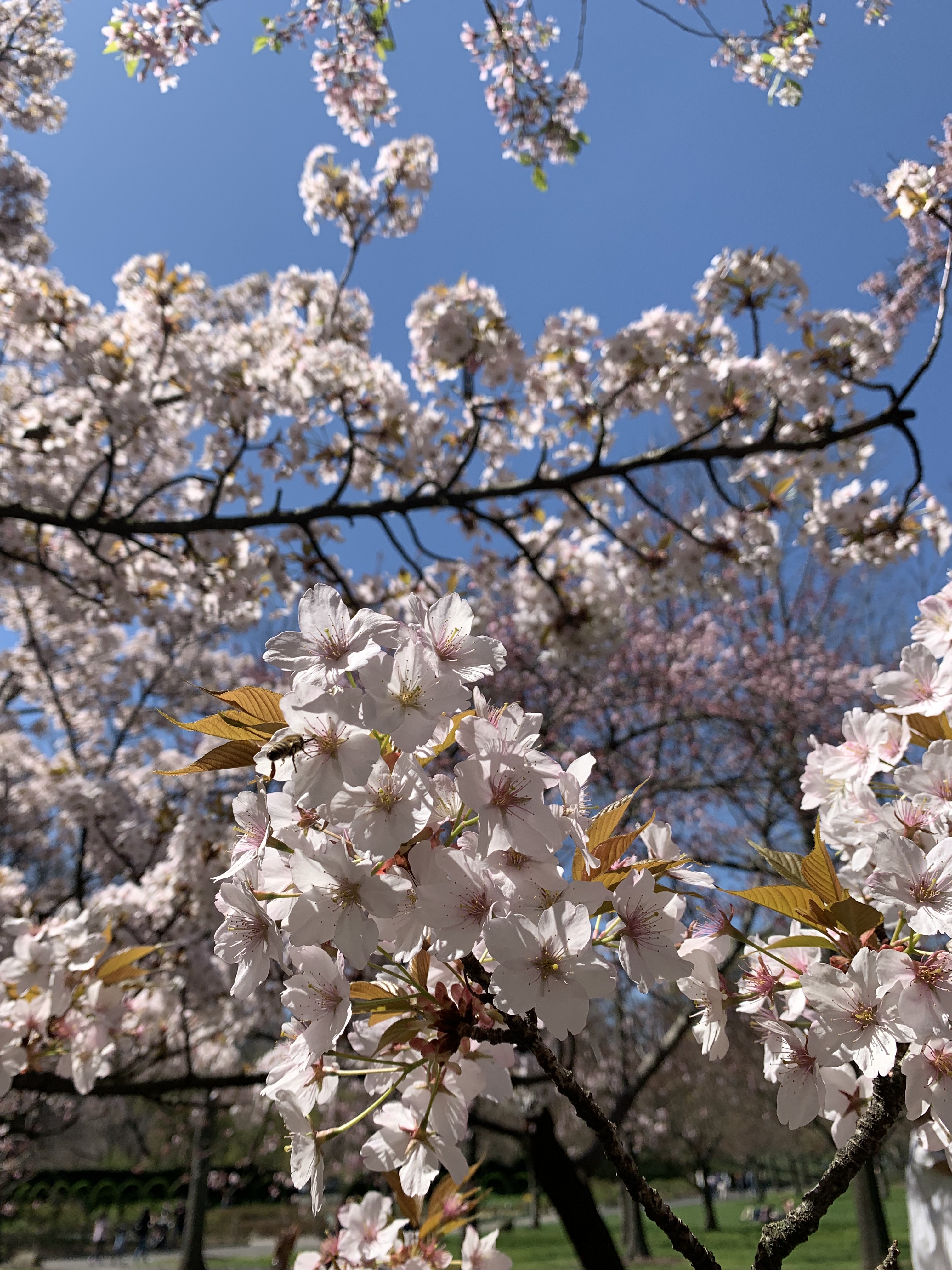
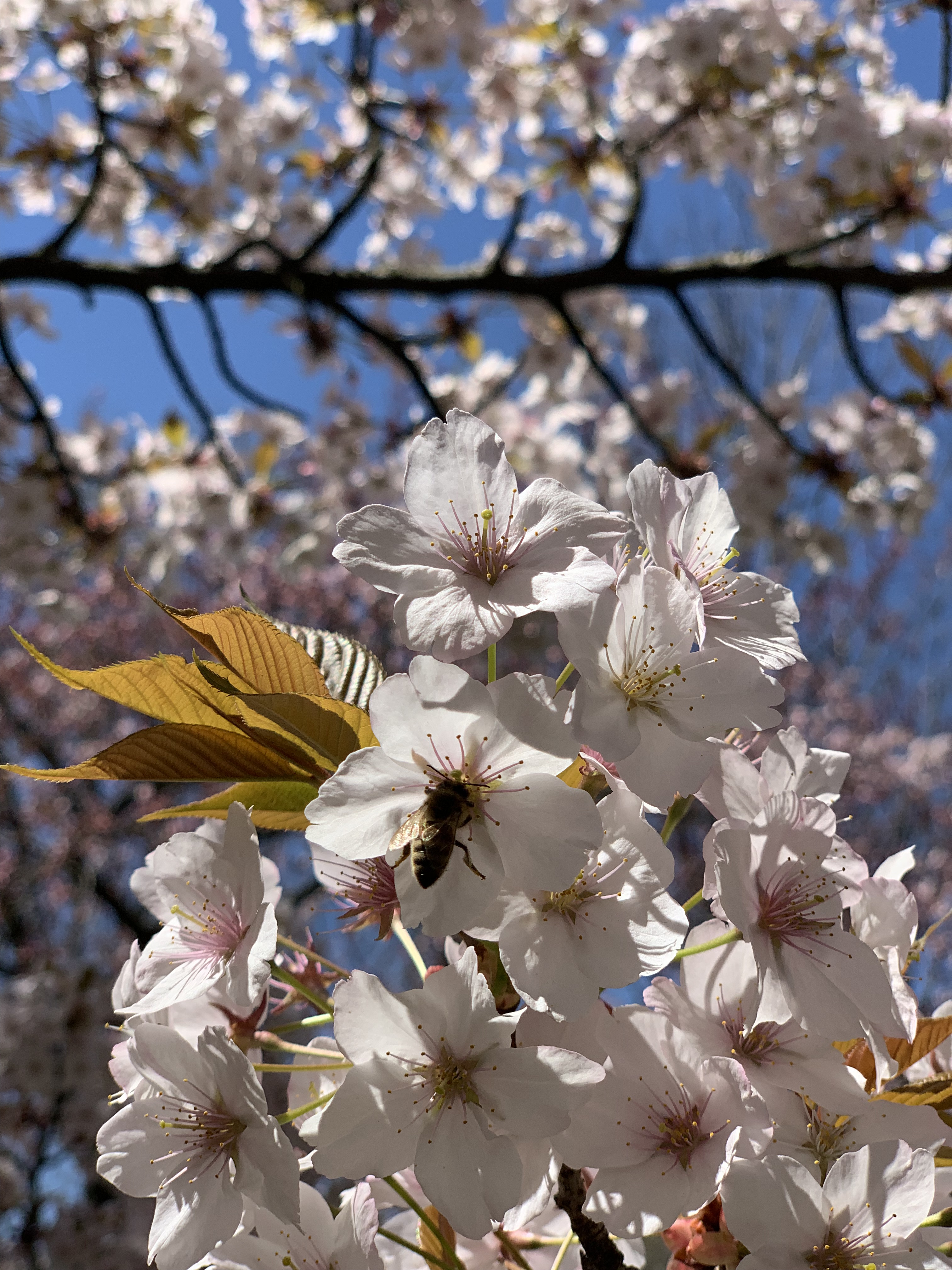
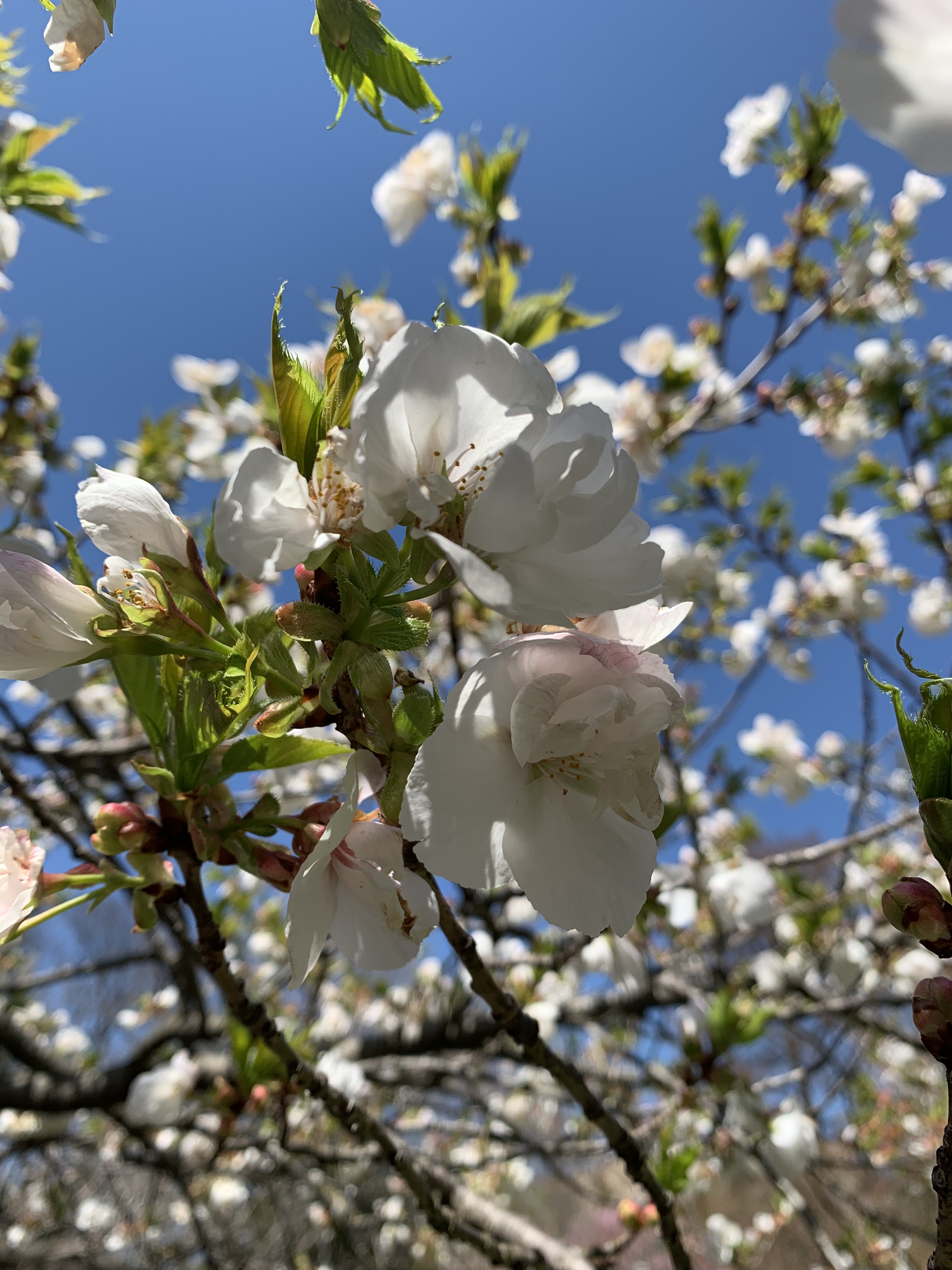
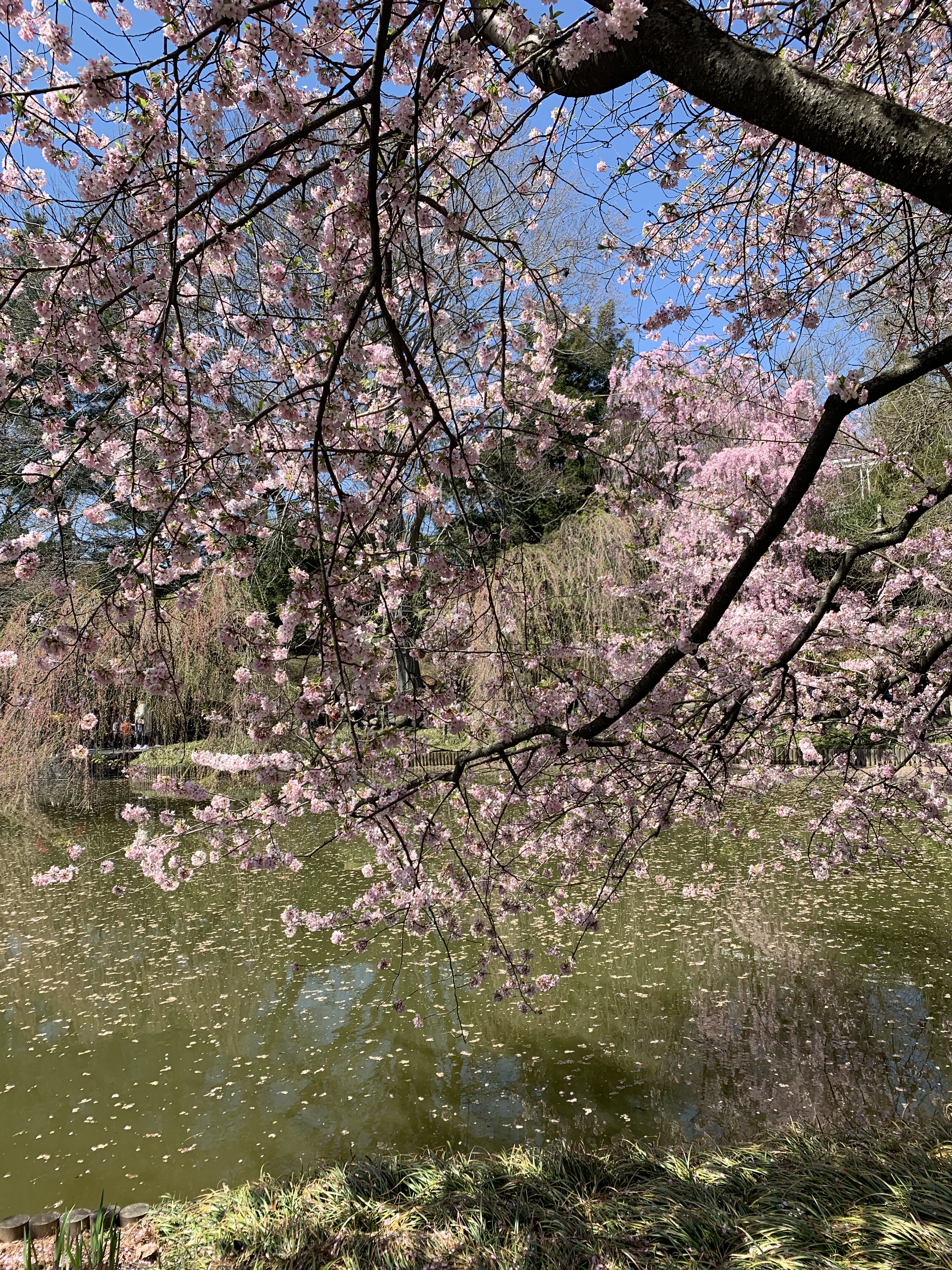
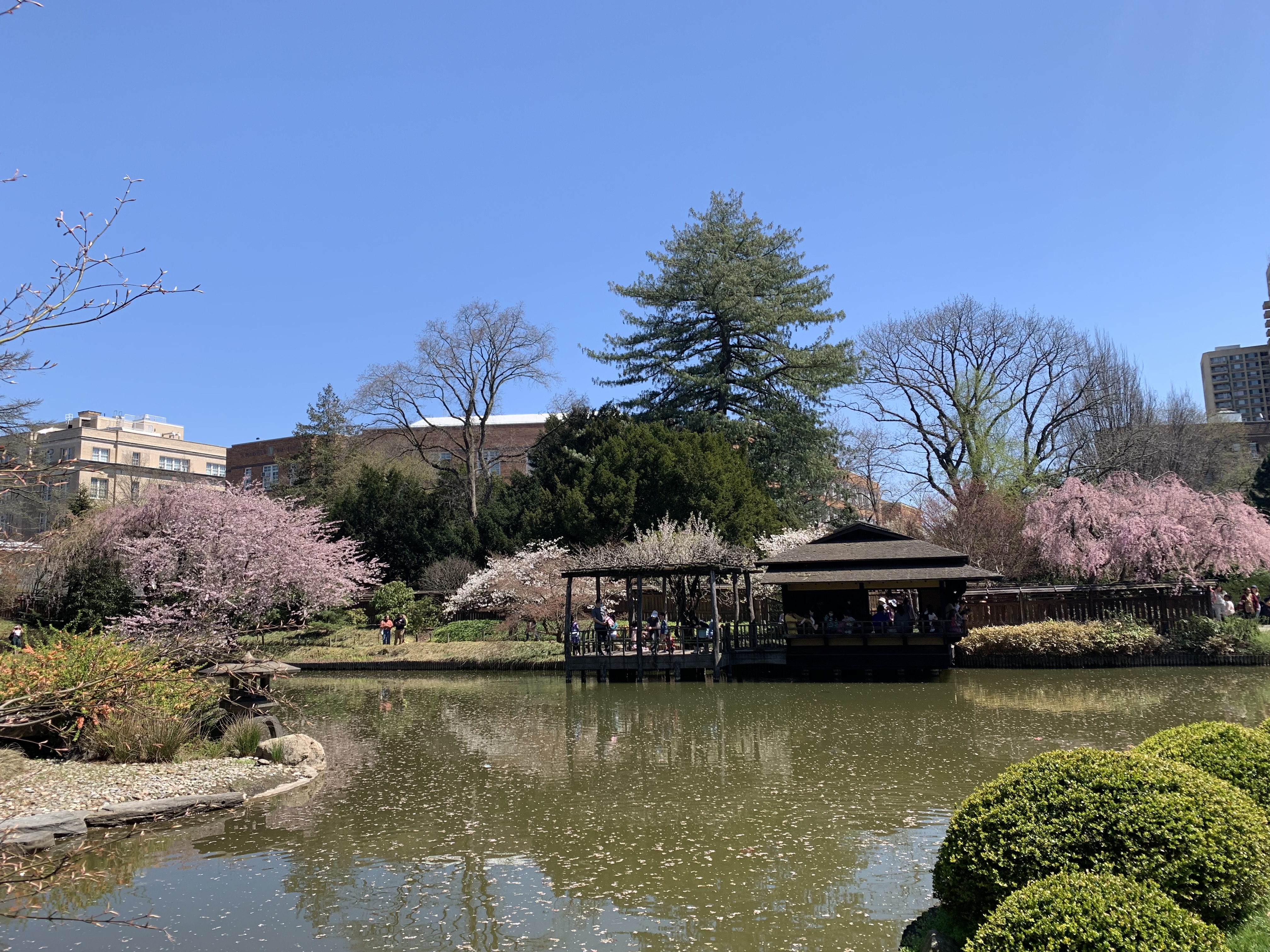
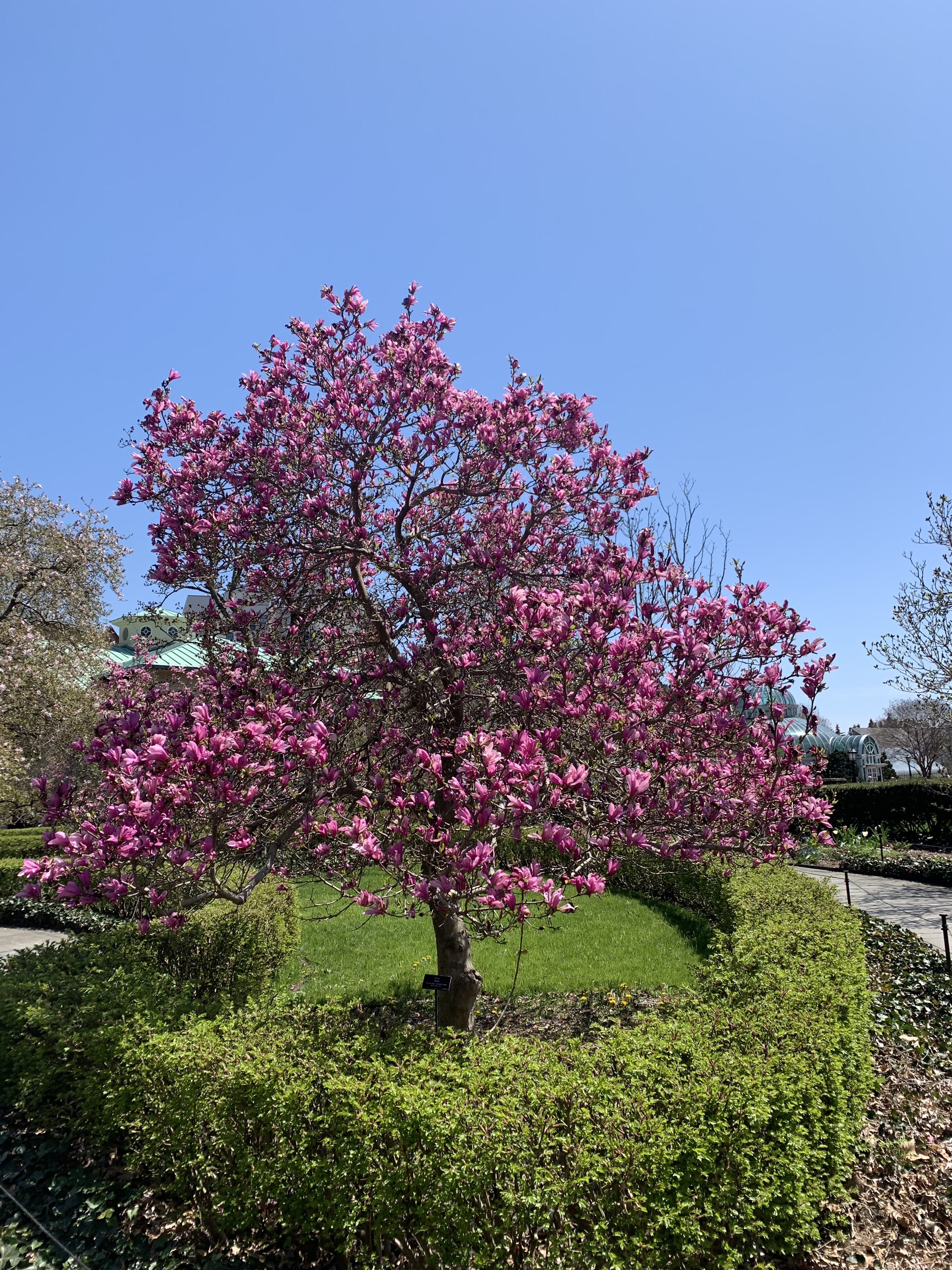
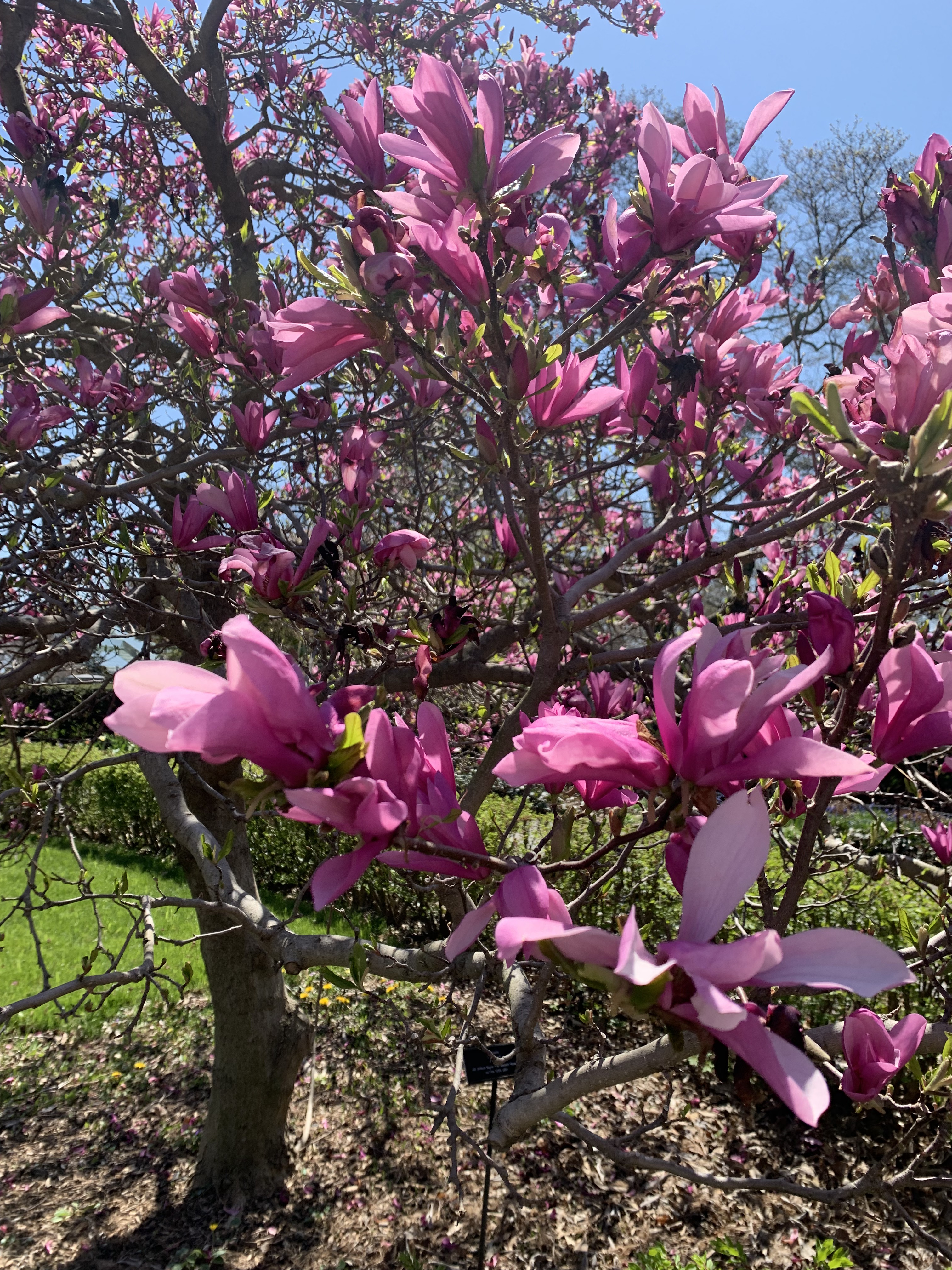
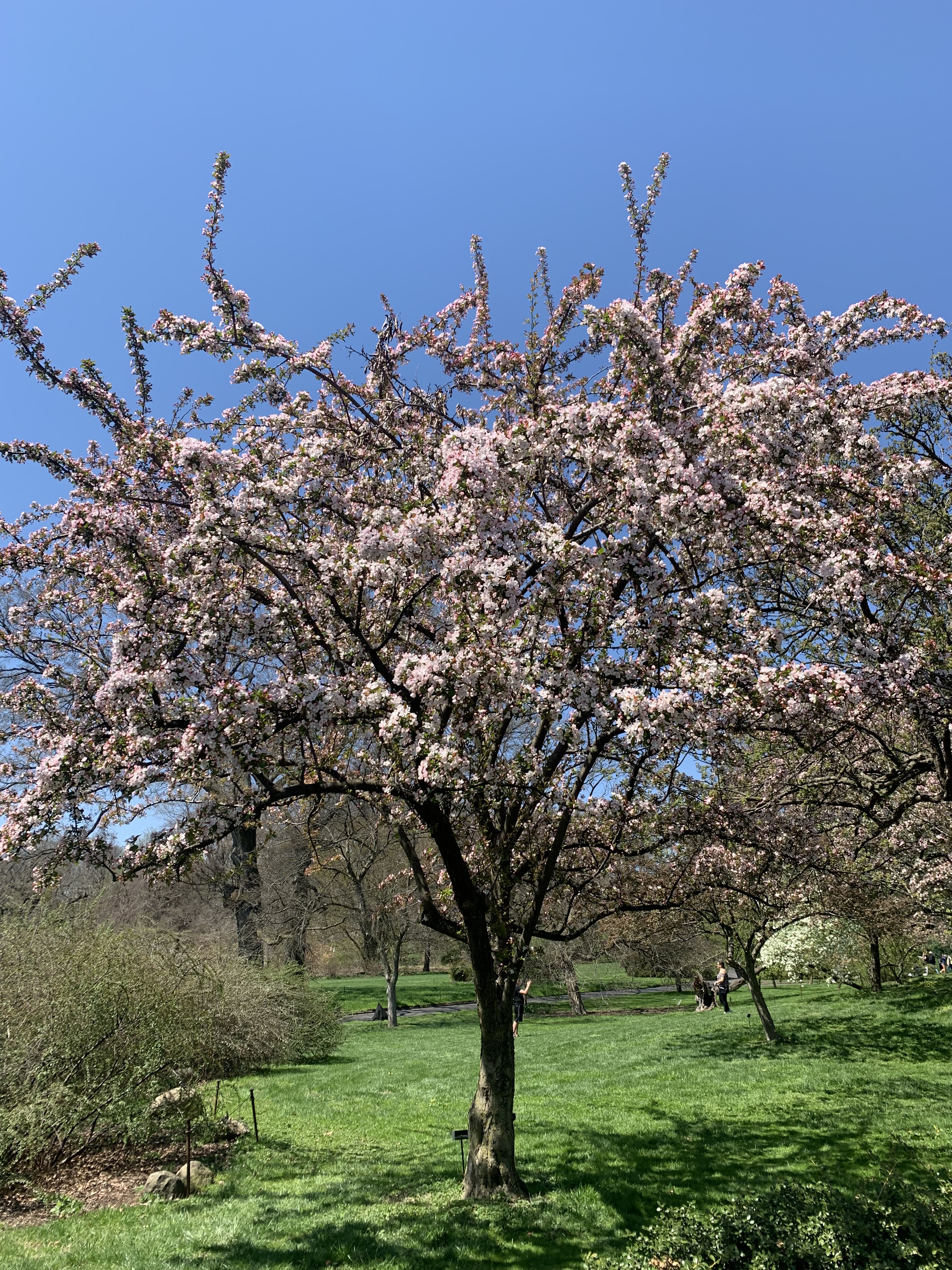
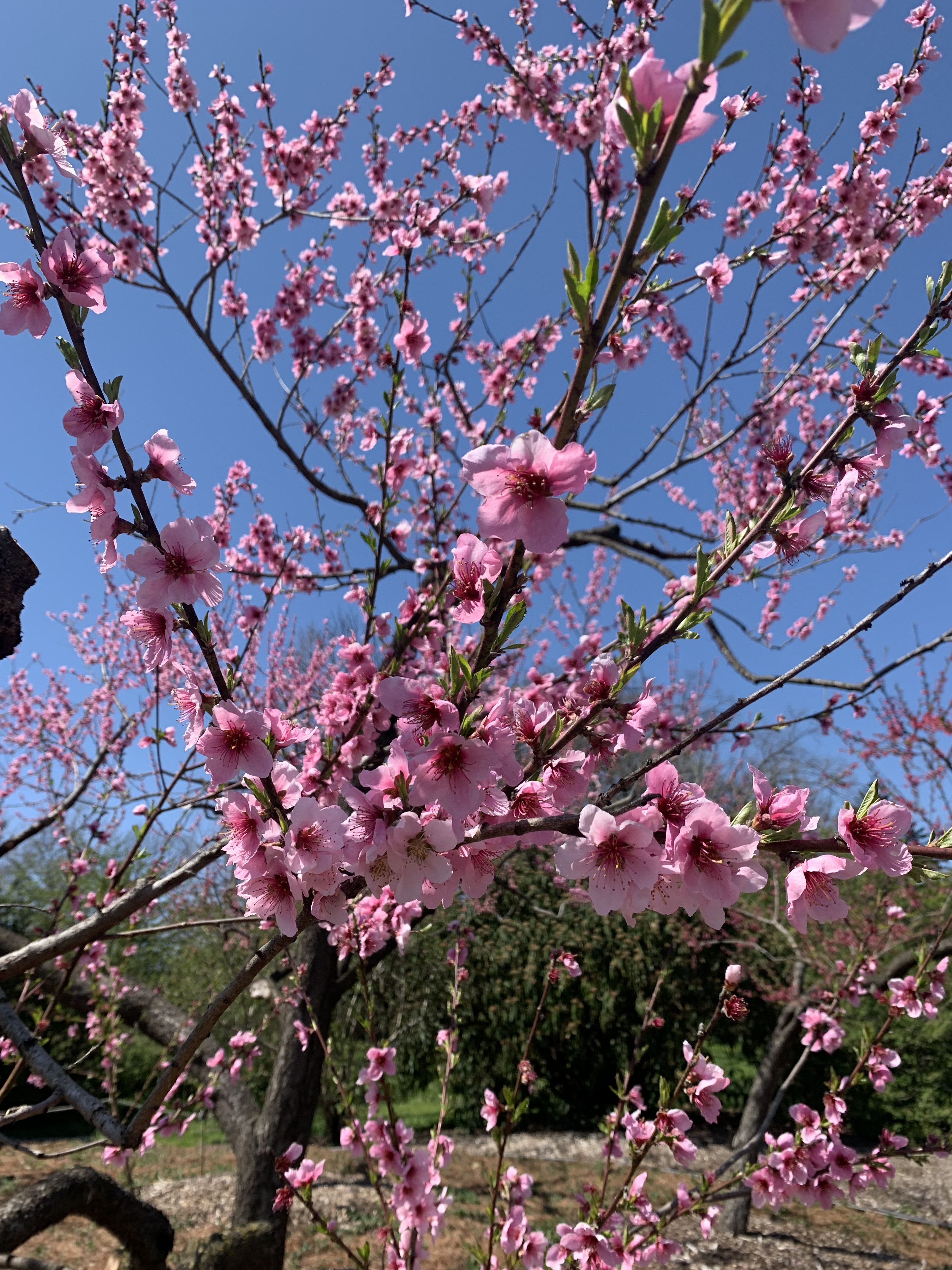
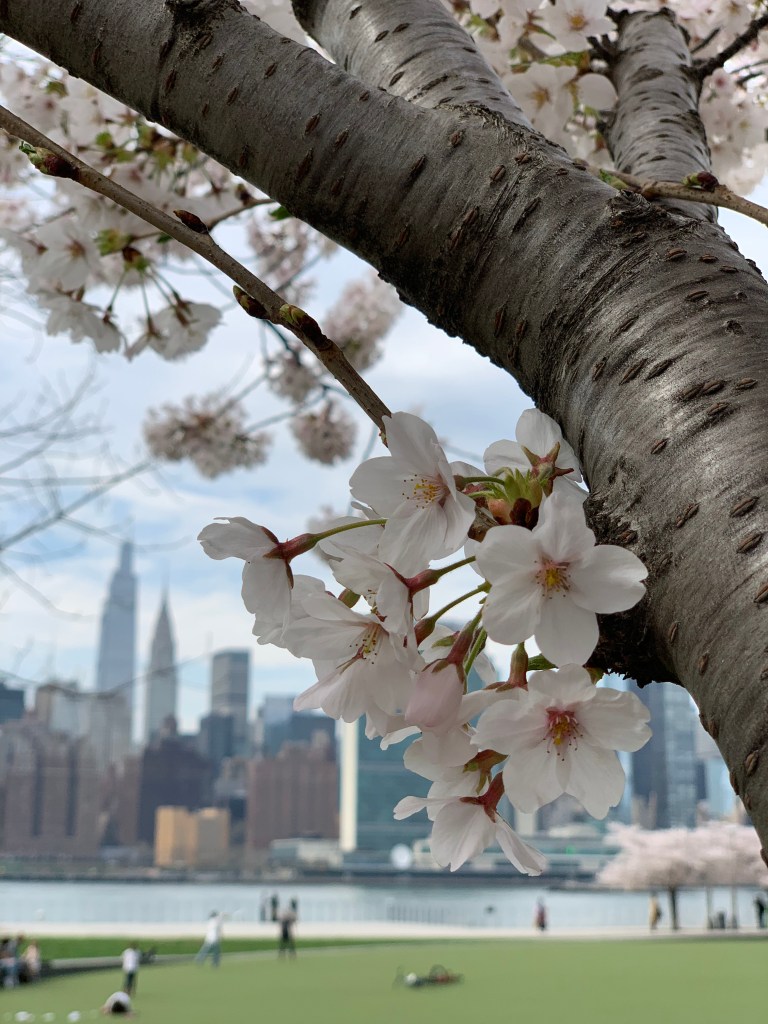
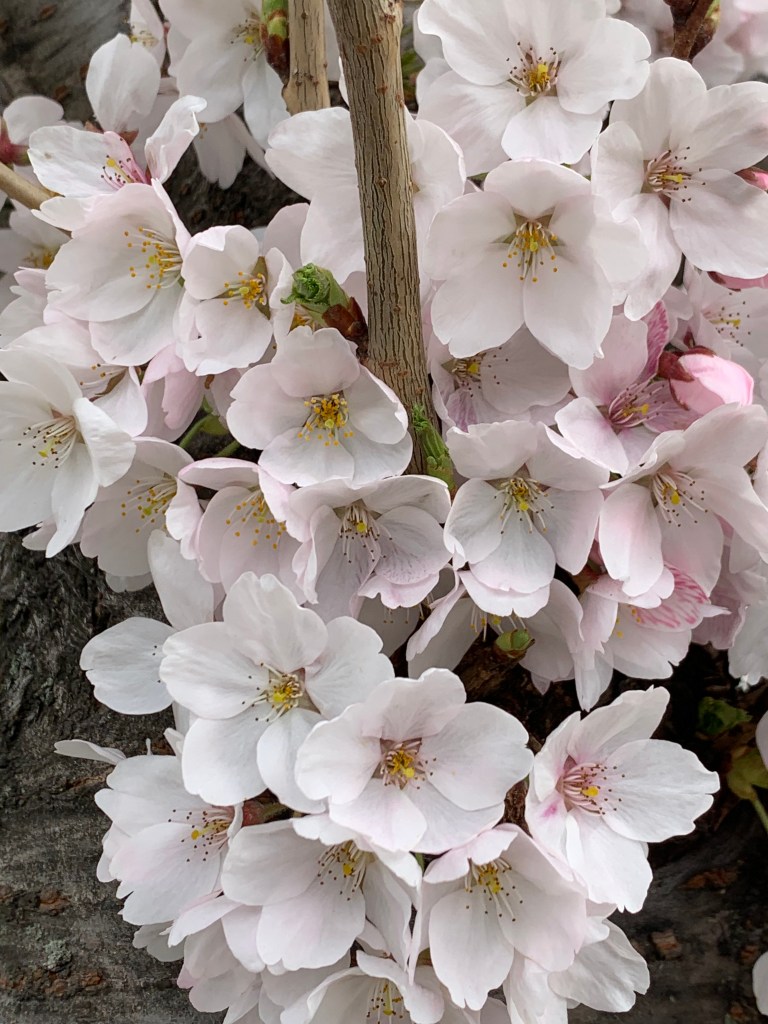
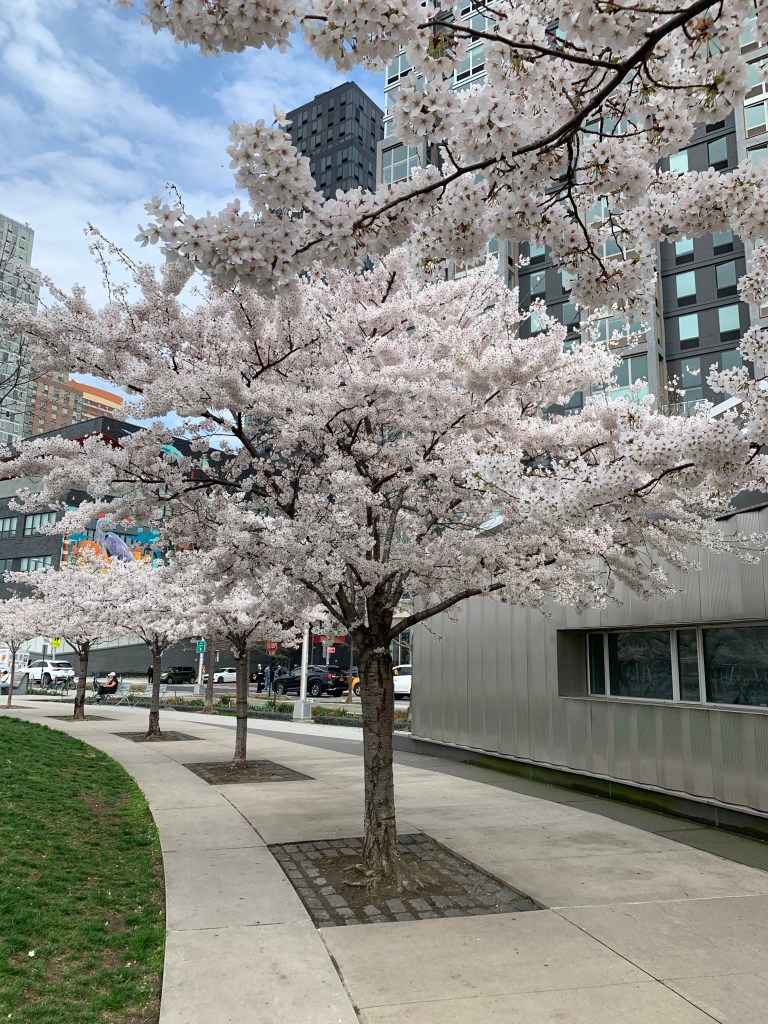
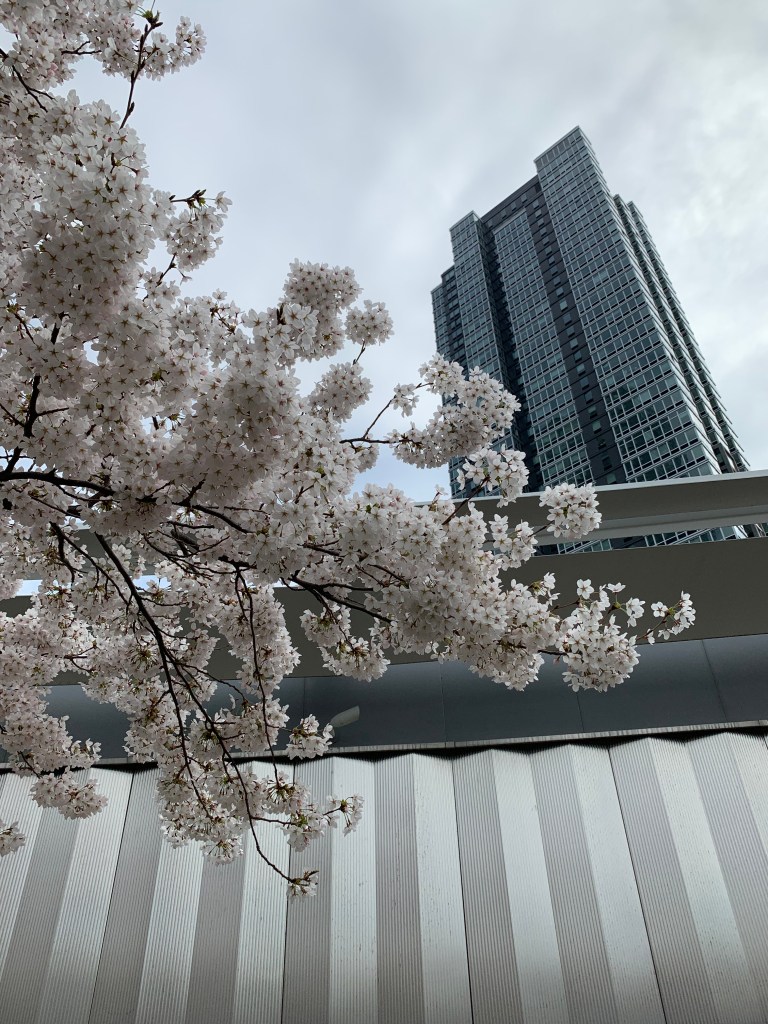
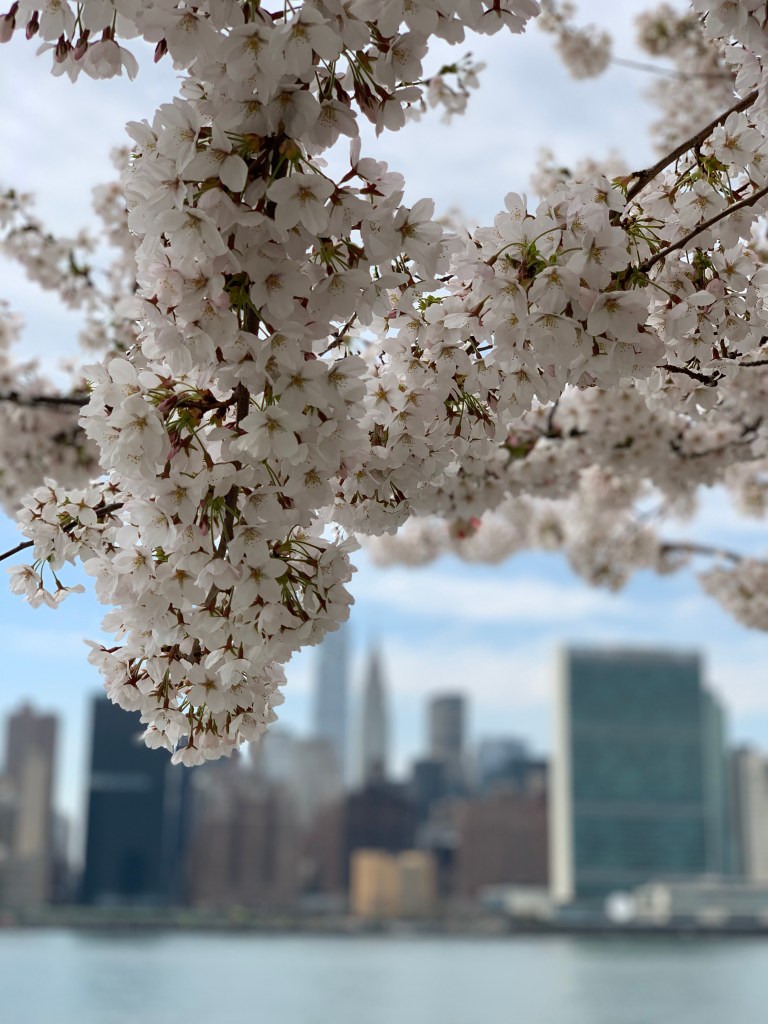
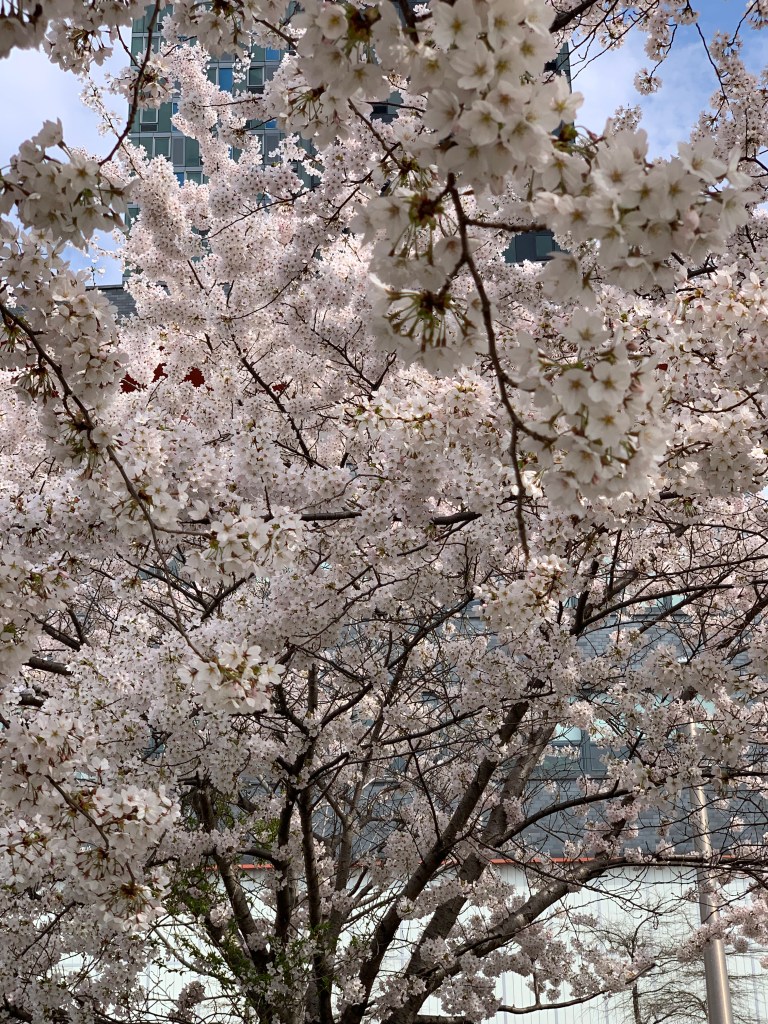
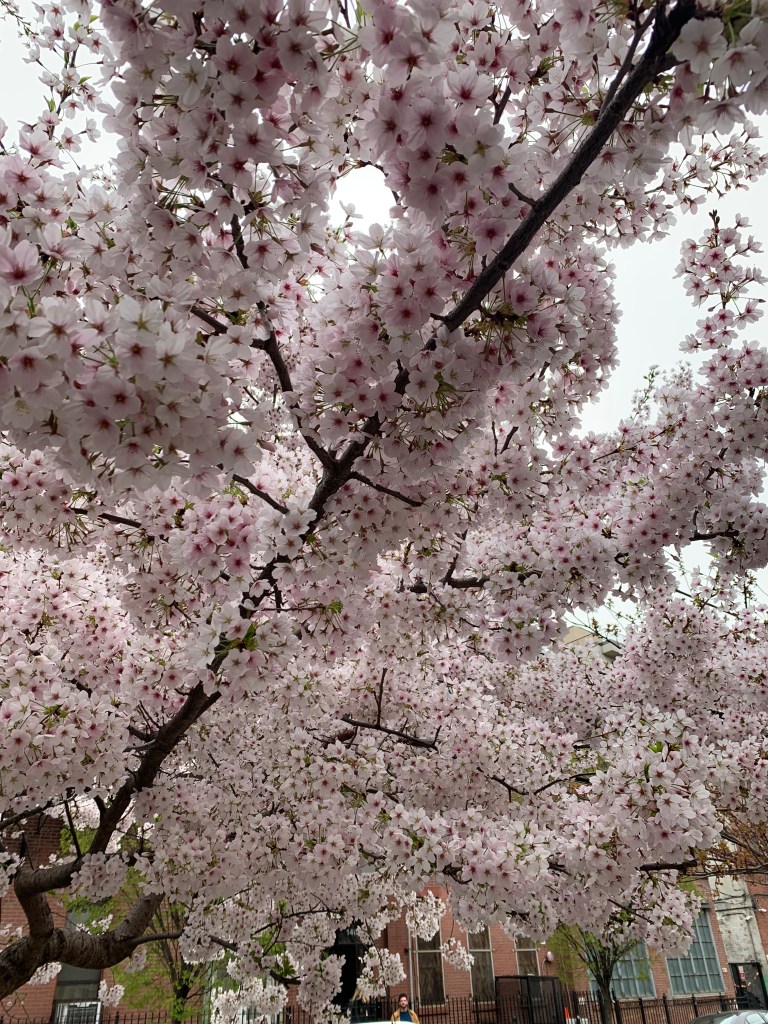
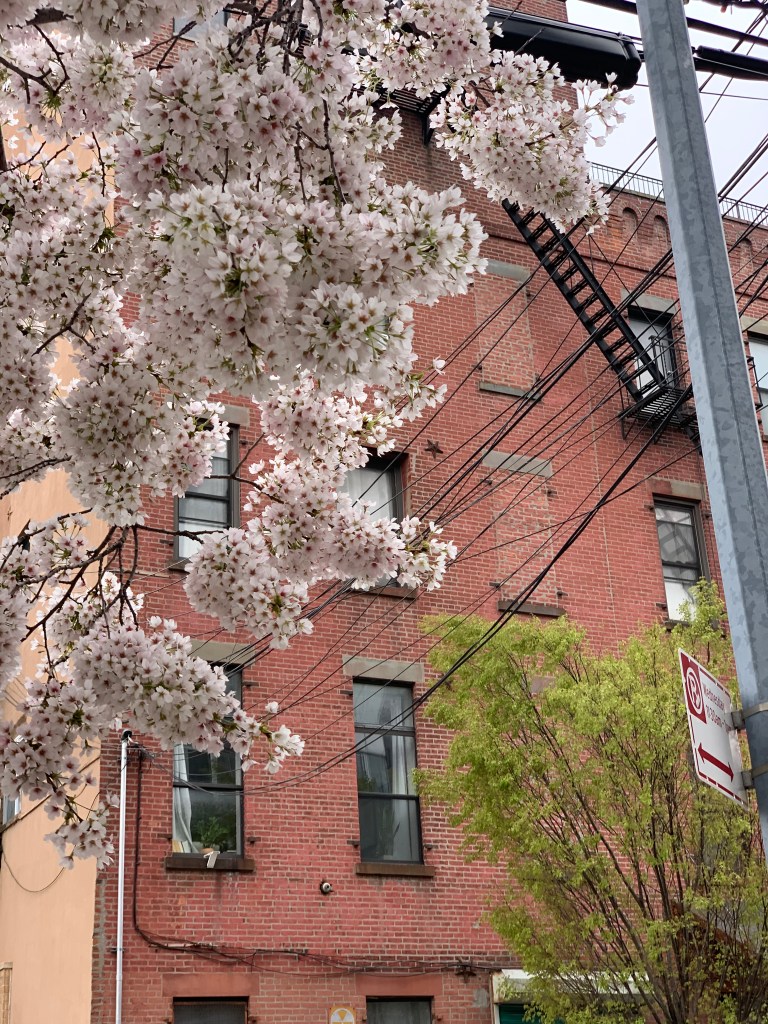
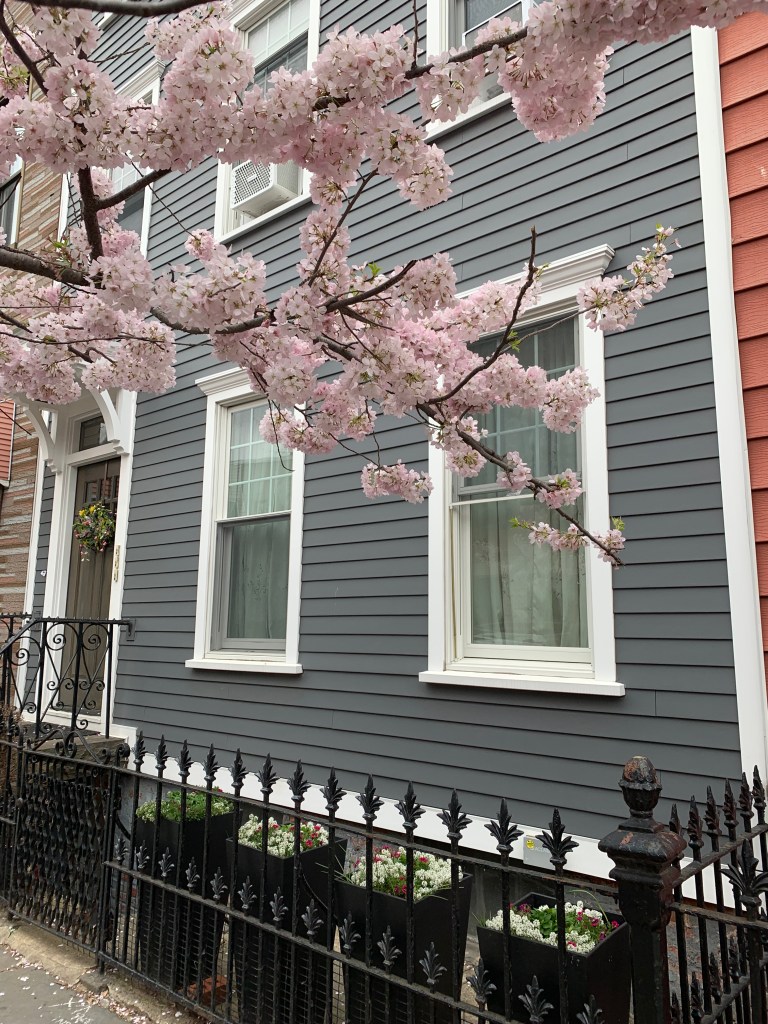
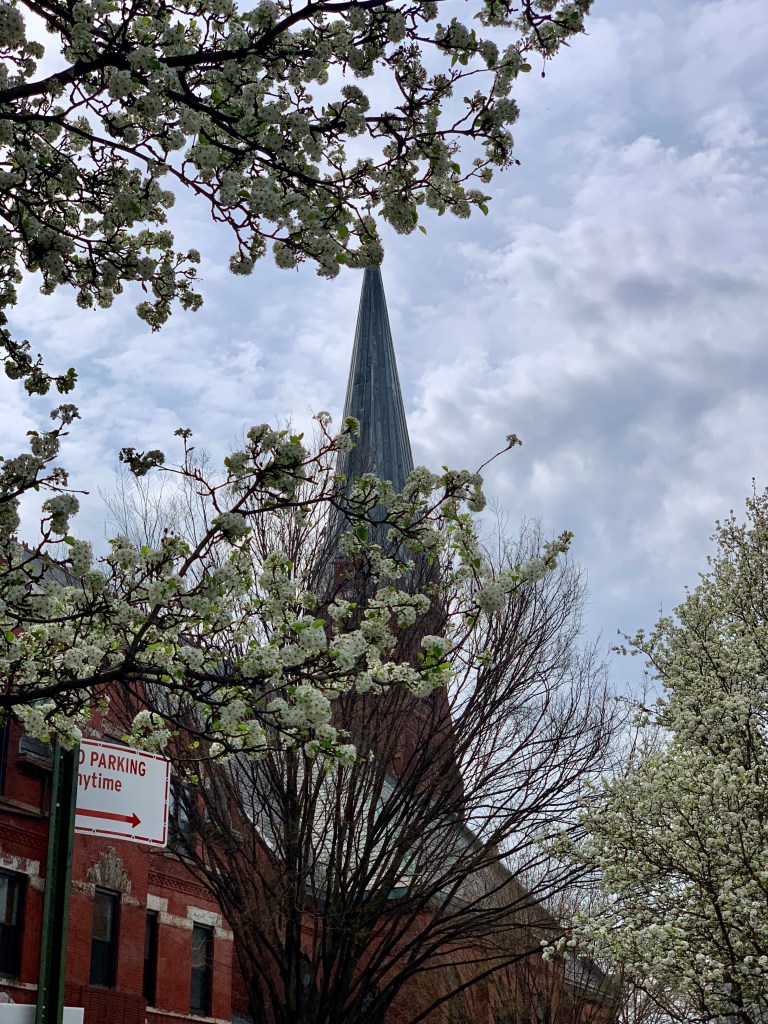
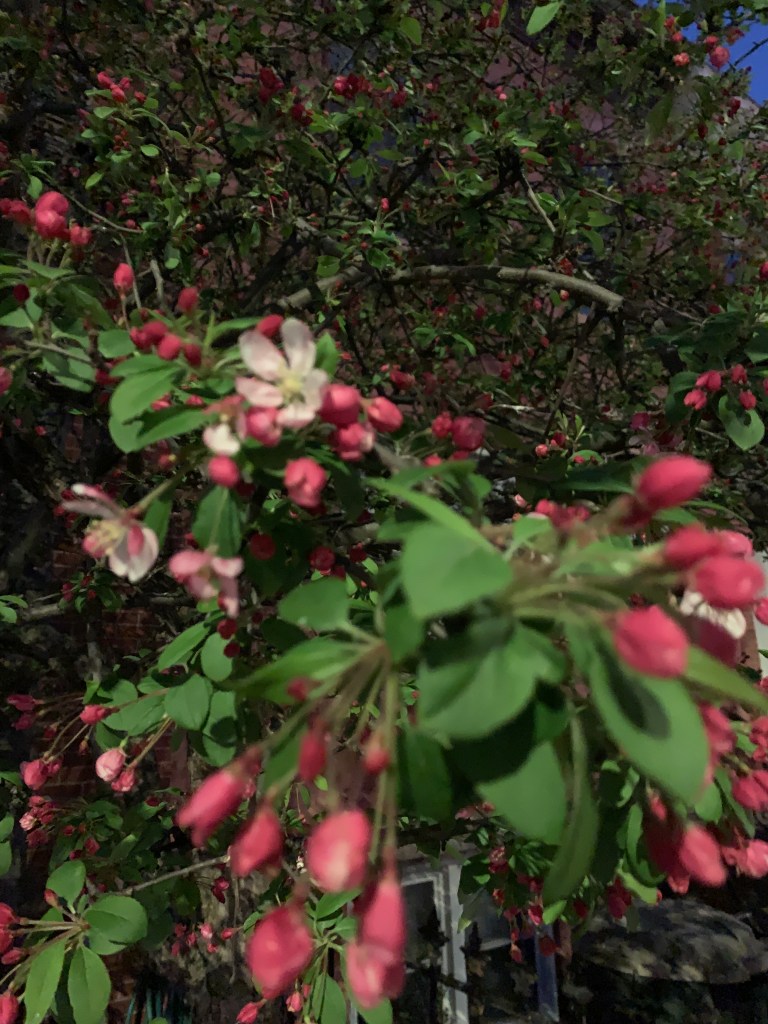
One of the most anticipated harbingers of spring in NYC is undoubtedly the cherry blossom season. These delicate pink and white blooms transform parks like the Brooklyn Botanic Garden, the New York Botanical Garden, and even smaller neighborhood green spaces into breathtaking displays of natural beauty. They’re a symbol of renewal, hope, and the fleeting nature of beauty itself, making their arrival all the more special.

But predicting the exact timing of the cherry blossom bloom is a tricky business. It depends heavily on the weather conditions leading up to the season. A particularly warm winter might encourage earlier blooming, while a prolonged cold snap could delay the show. Typically, the peak bloom period falls sometime between late March and mid-April, but it’s always best to check the official bloom forecasts closer to the date. We will publish our bloom predictions on our websites and social media, so keep an eye out for updates.

While we eagerly await the cherry blossoms, there are other subtle signs of spring that start to emerge in NYC. Keep an eye out for:

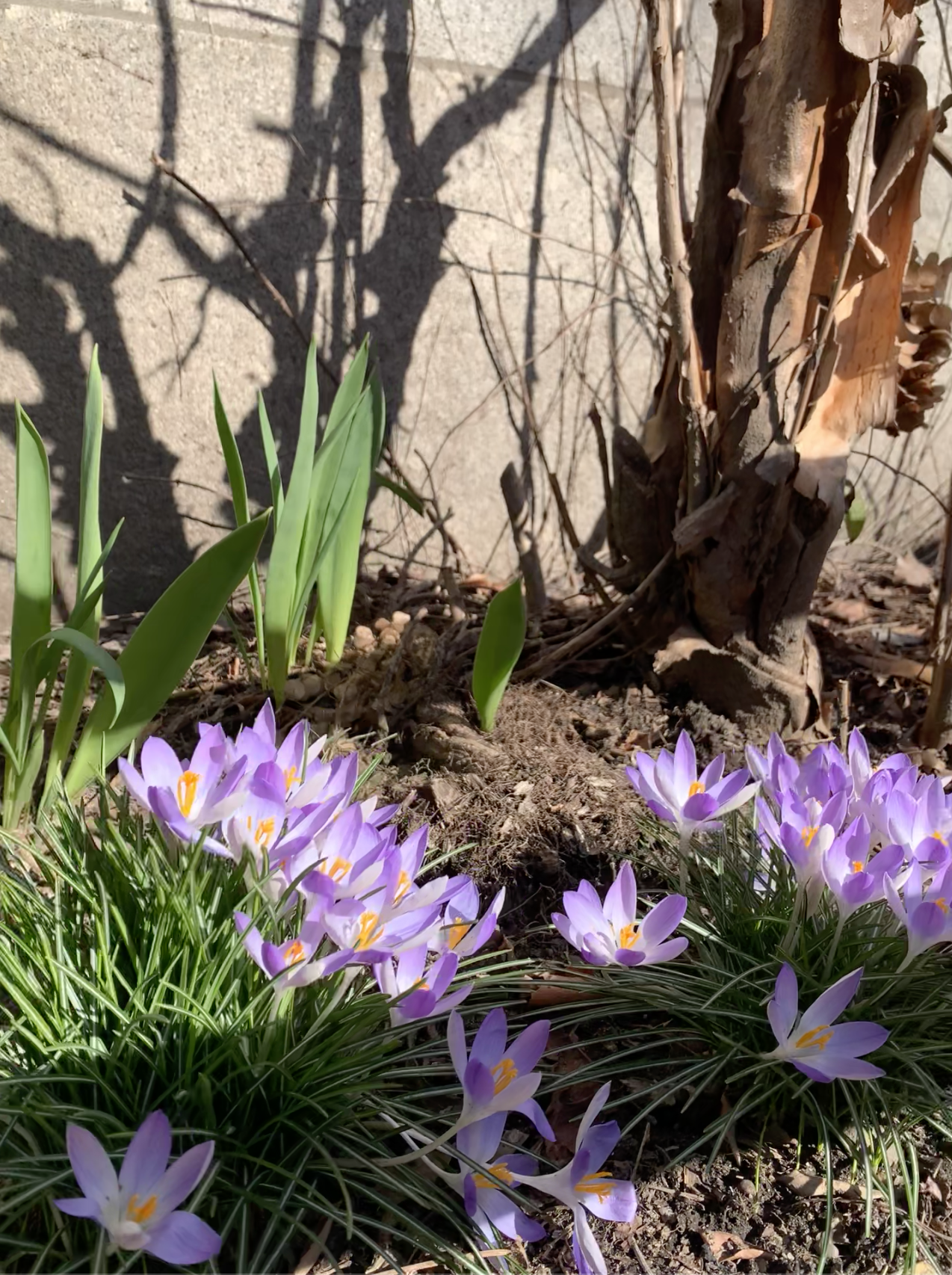
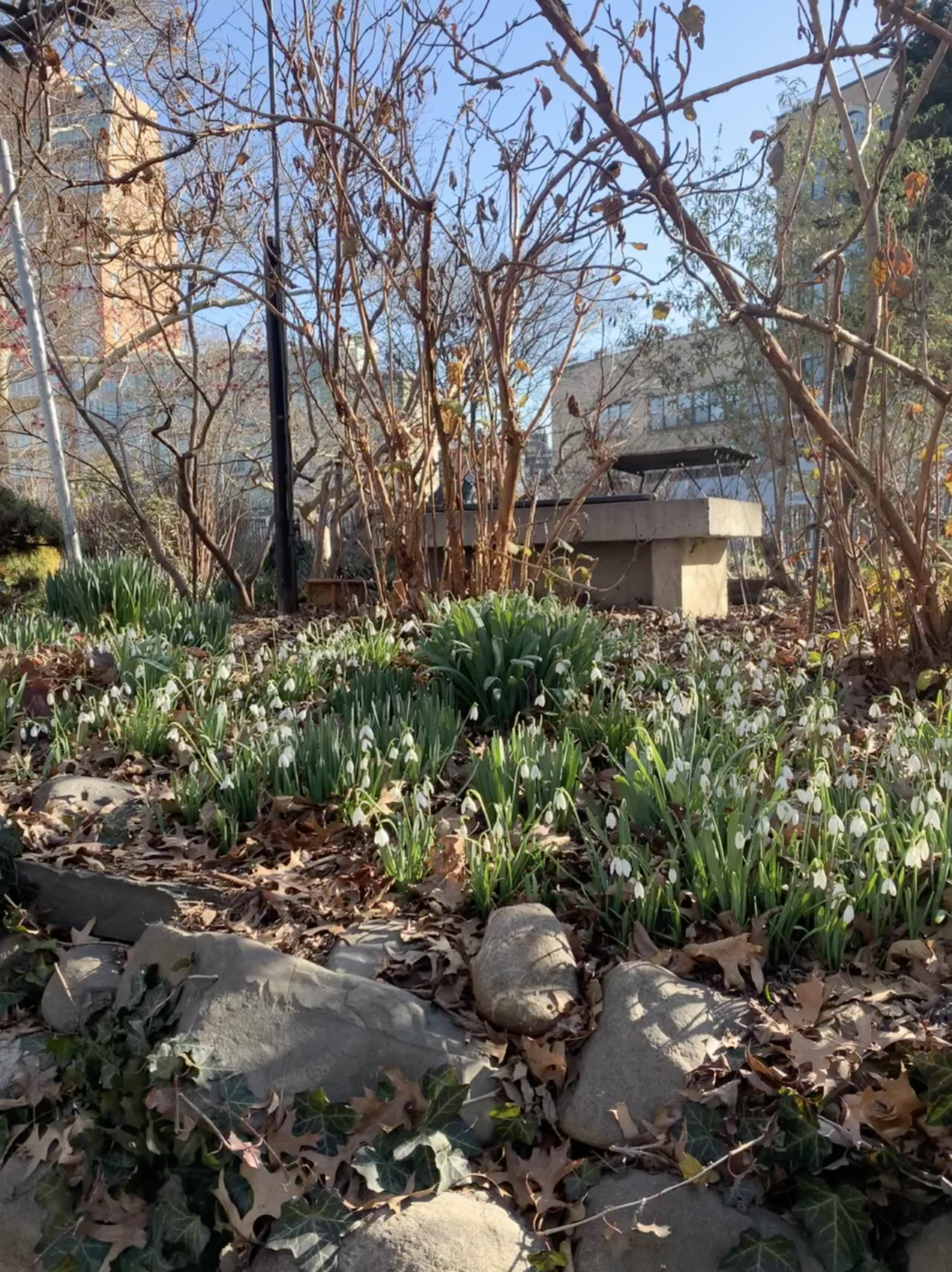
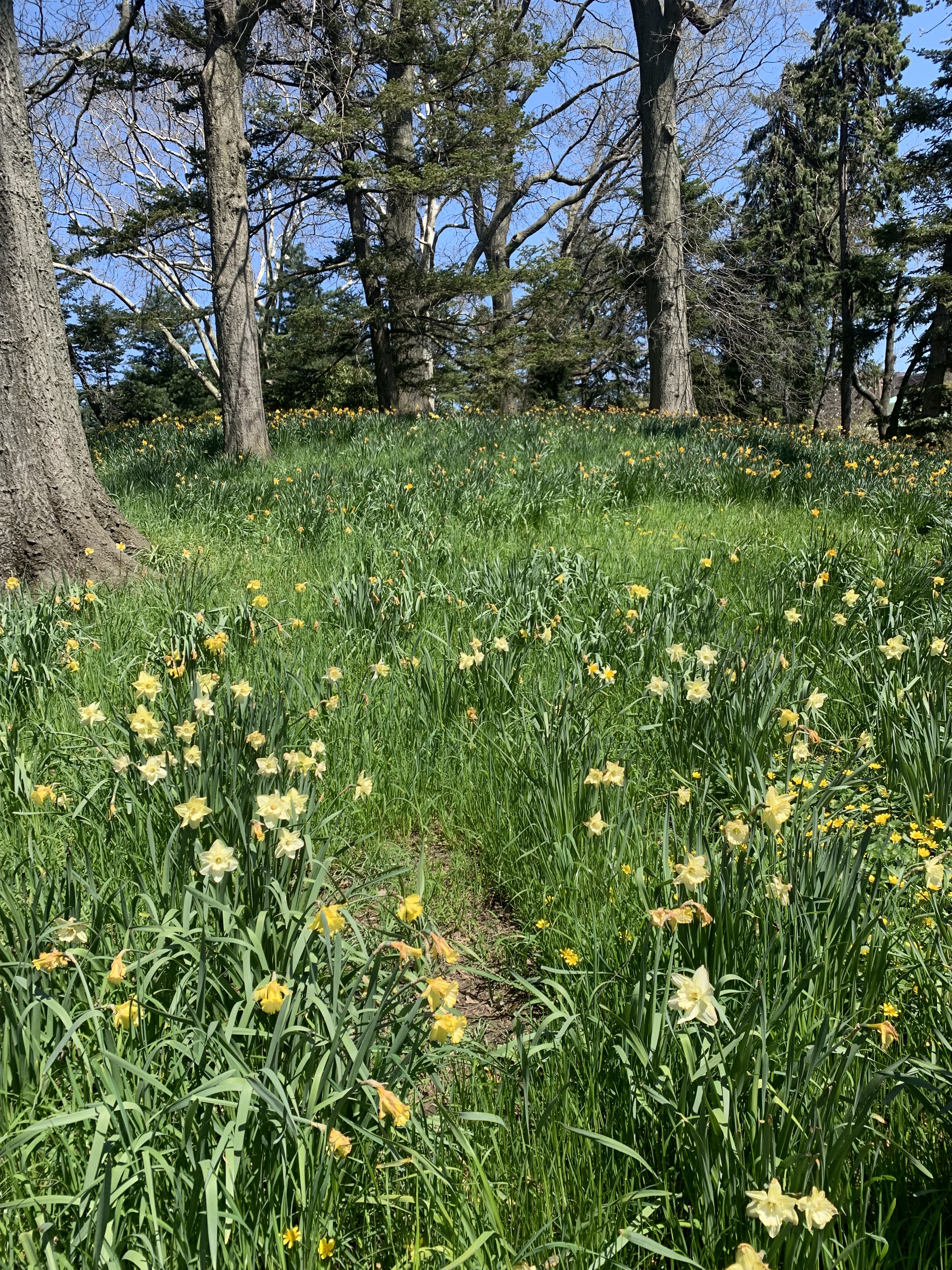
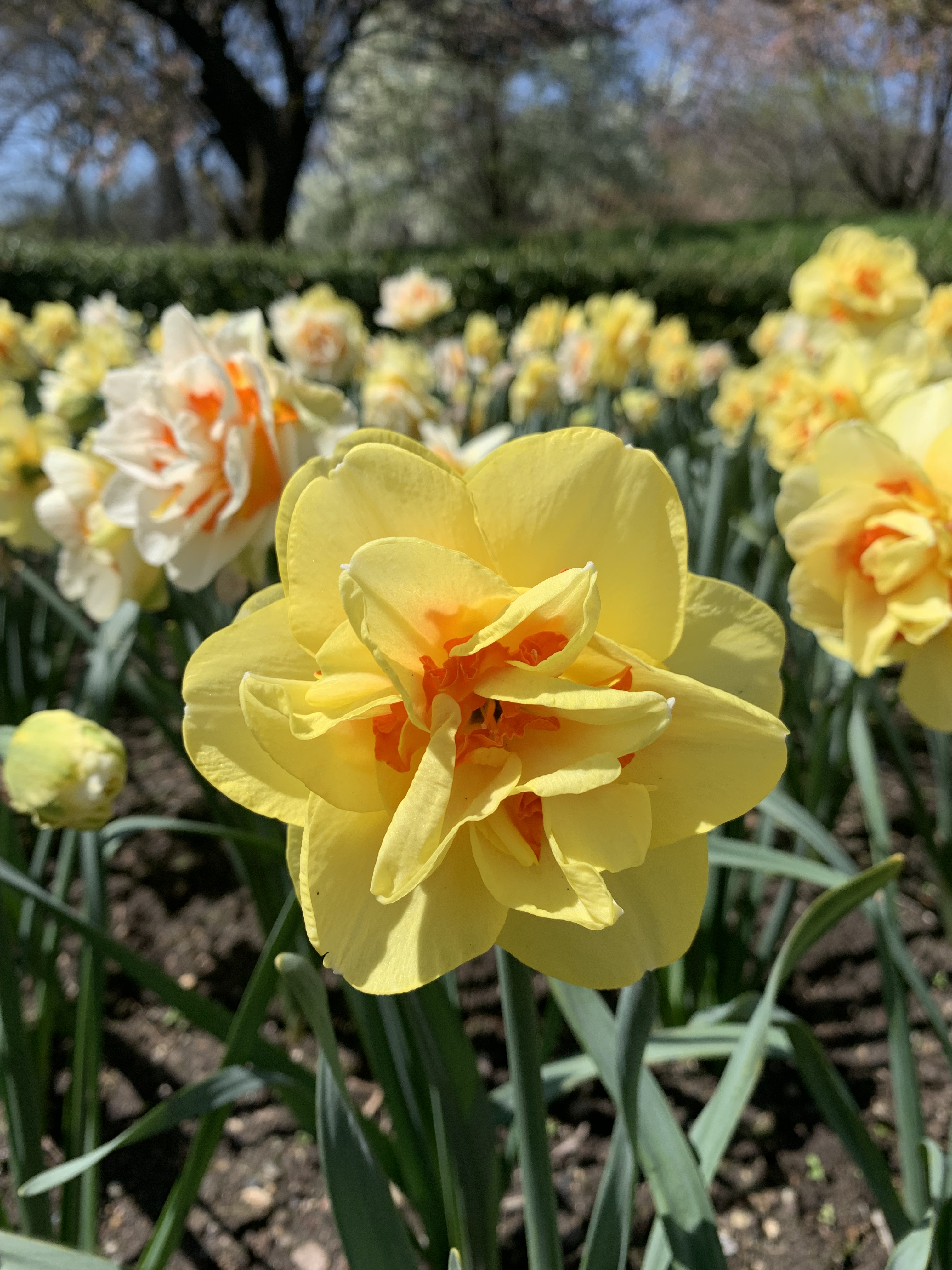
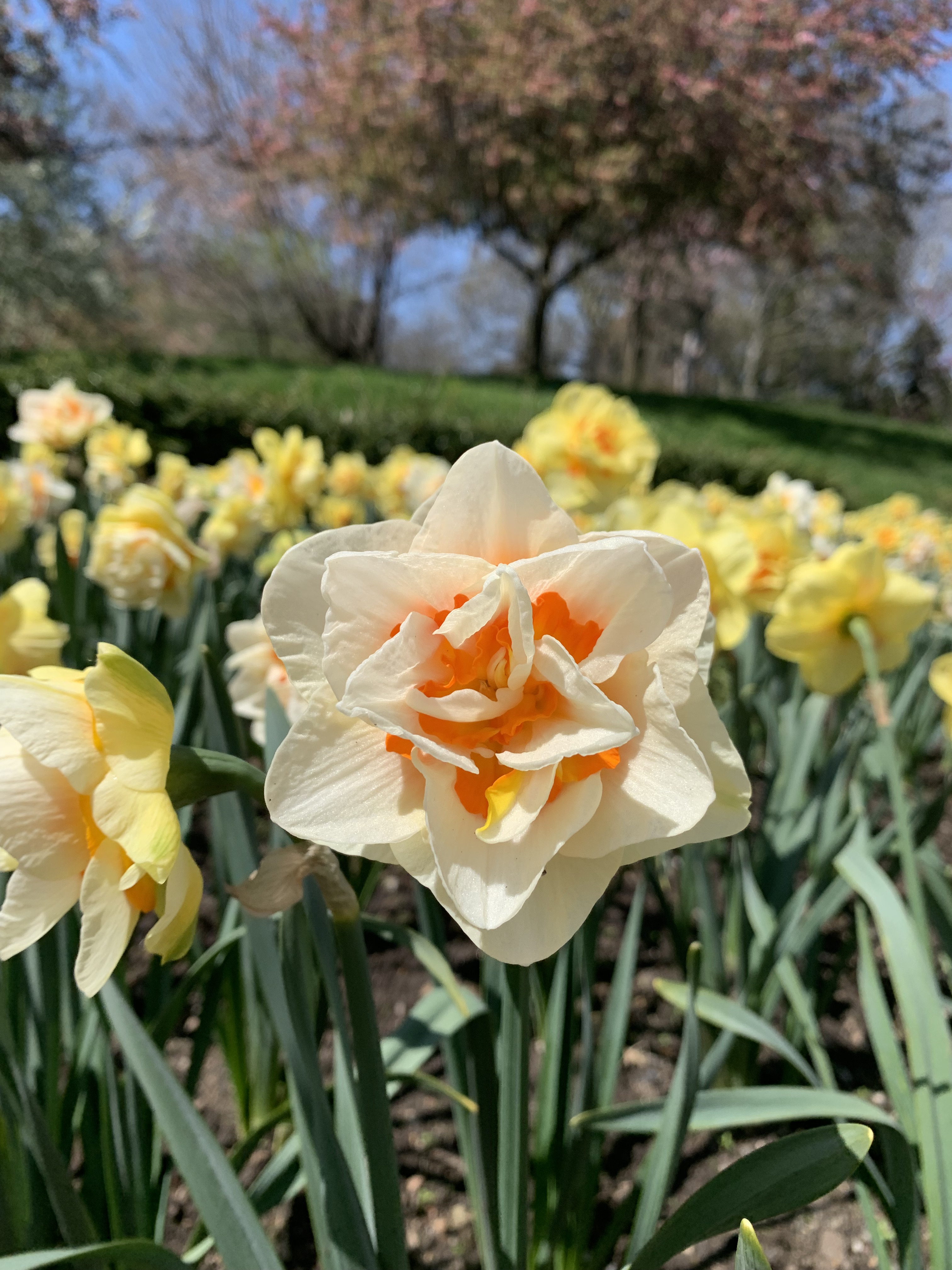
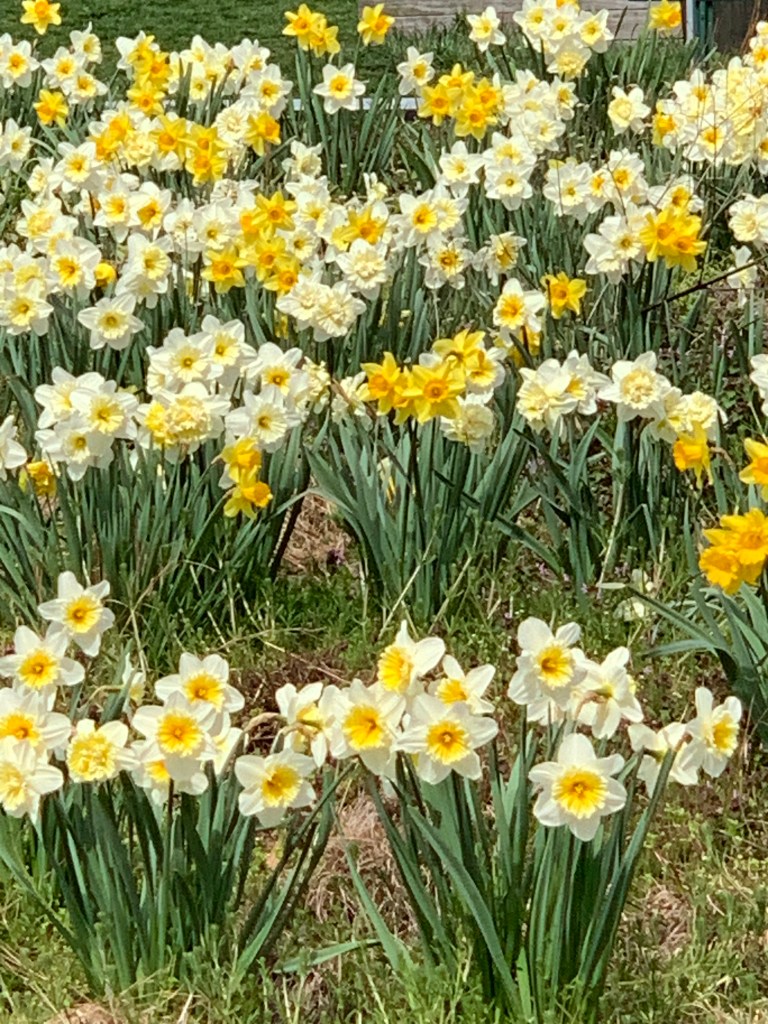
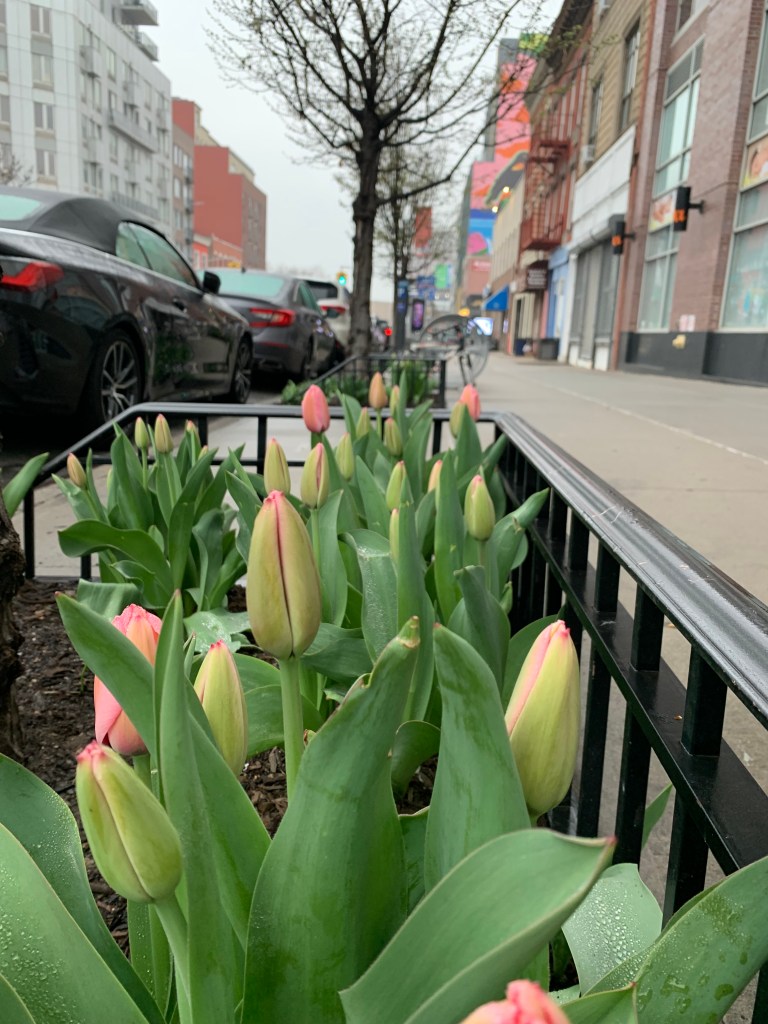
  • The first brave crocuses and daffodils: These colorful flowers often push their way through the soil even before the official start of spring, offering a welcome pop of color against the still-brown landscape.
  • The return of birdsong: As the days get longer, you’ll notice more birds chirping and singing in the parks and trees. This is a sure sign that spring is on its way.
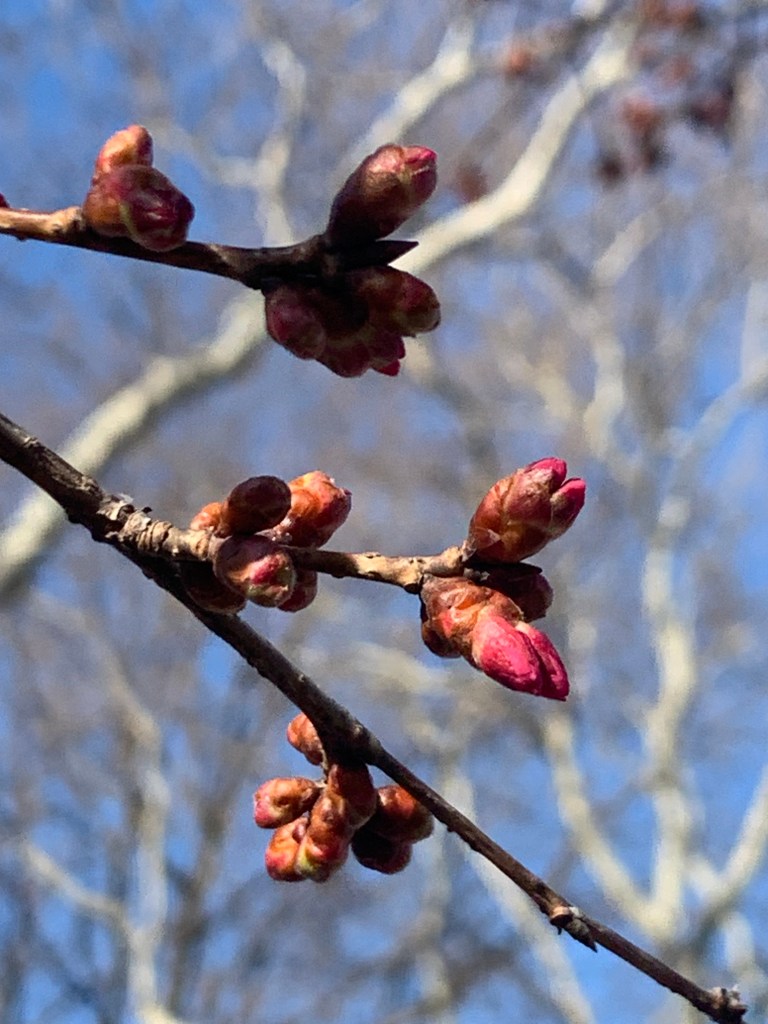
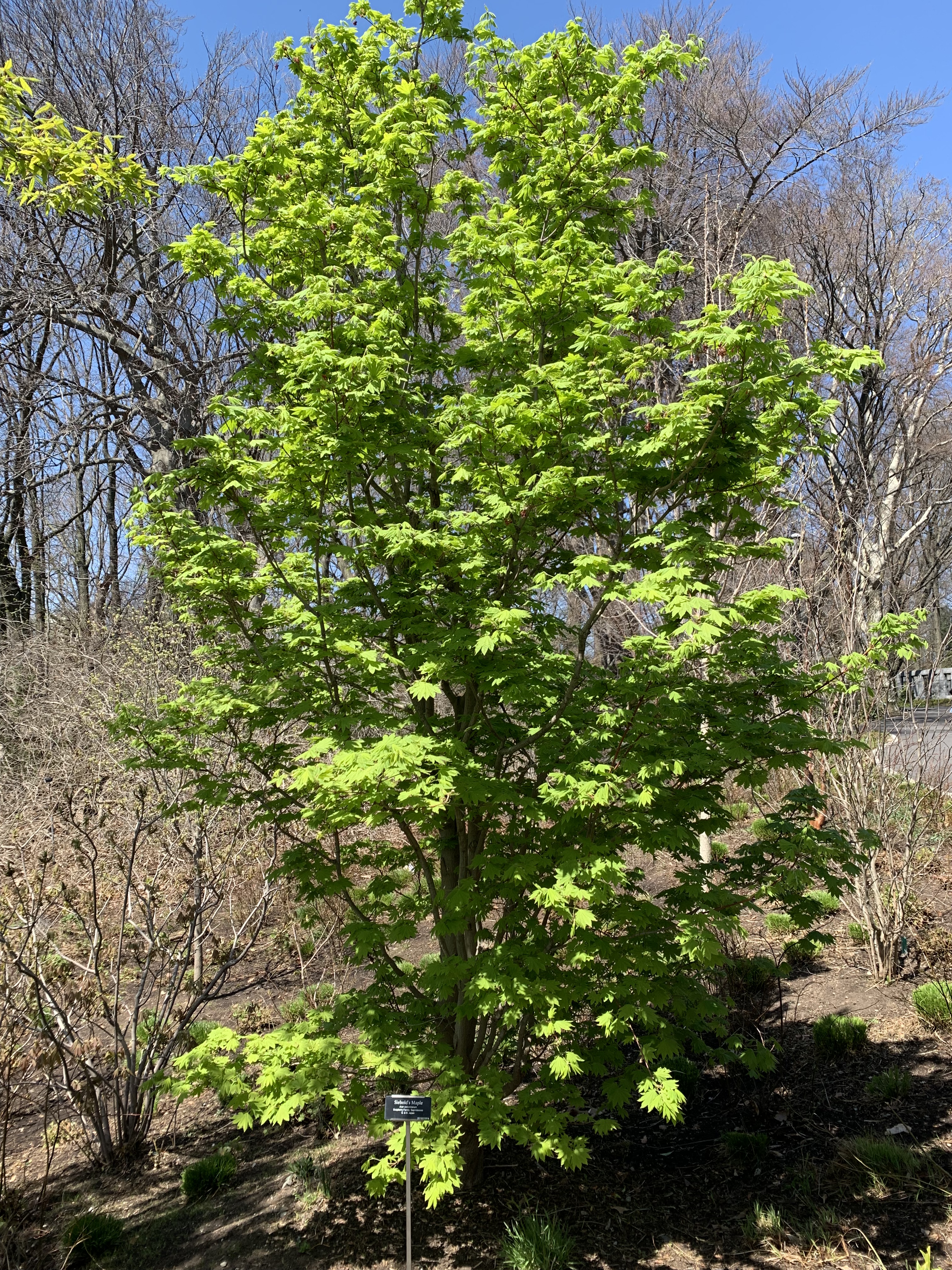
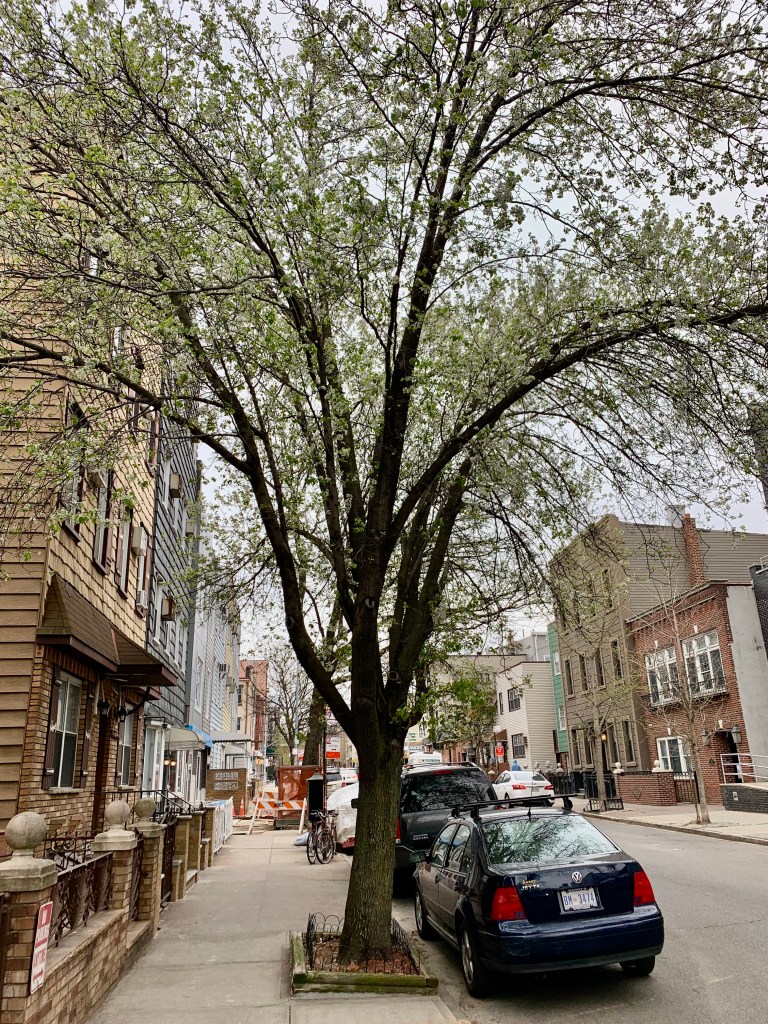
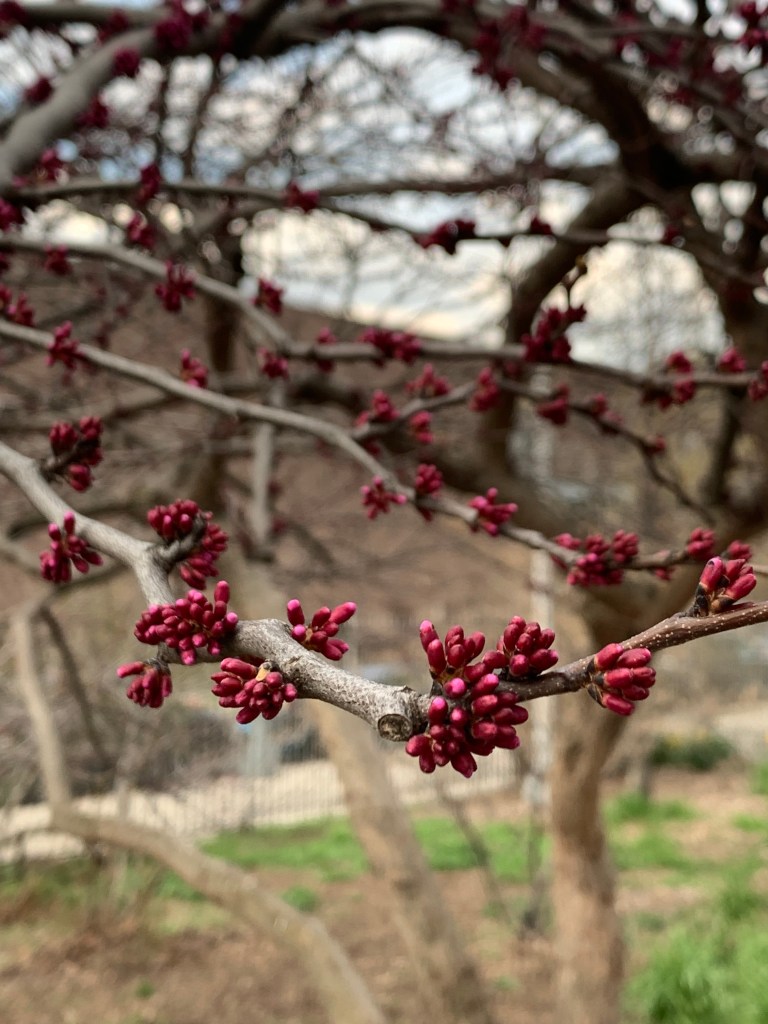
  • Budding trees: Even before the cherry blossoms steal the show, other trees will start to develop buds, hinting at the green canopy that will soon return to the city.
  • Warmer days (and maybe even a hint of sunshine!): While these can be fleeting, those warmer, sunnier days are a vital reminder that winter won’t last forever.

So, while we’re still bundled up and dreaming of warmer days, let’s keep our eyes peeled for these early signs of spring. The cherry blossoms will be here before we know it, and the city will once again burst into life. The wait might be long, but the reward – a vibrant, blossoming New York City – is well worth it. Are you as excited as we are? Share your favorite signs of spring in the comments below!

What are your favorite signs of spring in NYC? Share your thoughts and observations in the comments below!

Visit our Instagram and watch our stories to get more live updates.

January 26, 2025 – Awaiting Spring’s Arrival

Ah, New York City in the winter. A time of blustery winds, icy sidewalks, and that persistent longing for the return of warmer days. While the snow might be falling and the city may be shrouded in a frosty haze, there’s a certain magic in this season, too. It’s a time of anticipation, a time for dreaming of warmer days and the vibrant blooms that will soon grace our parks and gardens.

For many New Yorkers, the arrival of spring is a highly anticipated event. We eagerly watch for the first signs of life – the crocuses pushing through the melting snow, the delicate buds appearing on the trees, the cheerful chirping of birds returning from their winter migration.

This annual “bloom watch” becomes a citywide phenomenon. We share photos of early blooms on social media, debate the arrival of the first robin, and discuss the best spots to witness the city’s springtime awakening.

Here are a few ways to embrace the “bloom watch” this winter:

  • Plant bulbs in the fall: There’s no better way to anticipate spring than to plant your own bulbs in the fall. Watch with delight as daffodils, tulips, and hyacinths emerge from the soil in early spring.
  • Visit the New York Botanical Garden: Even in the winter, the Garden offers a glimpse of hope with its indoor exhibits and conservatory.
  • Explore local nurseries: Many nurseries begin showcasing spring blooms early in the season, offering a vibrant display of color and a welcome escape from the winter blues.
  • Embrace the indoor greenery: Bring the outdoors in by filling your home with houseplants.

While winter may seem long, the promise of spring is always just around the corner. Embrace the anticipation, enjoy the quiet beauty of the winter months, and get ready to witness the city’s spectacular springtime awakening.

What are your favorite signs of spring in NYC? Share your thoughts and observations in the comments below!

Visit our Instagram and watch our stories to get more live updates.

October 12, 2024 – Leaf-Peeping Getaway

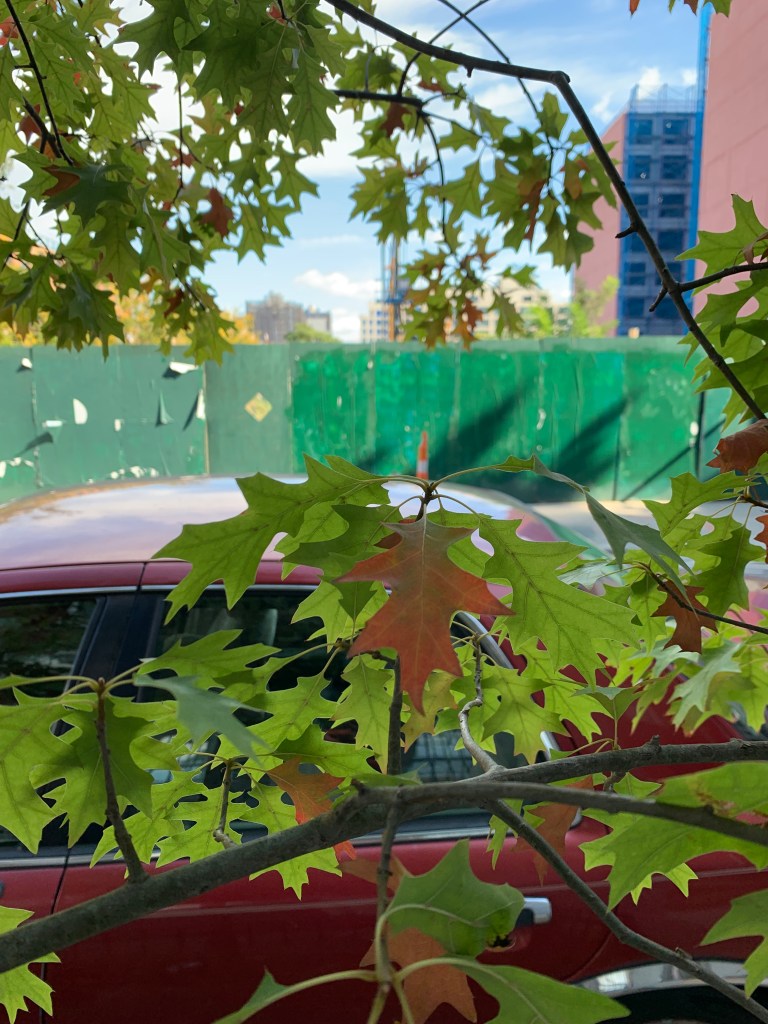
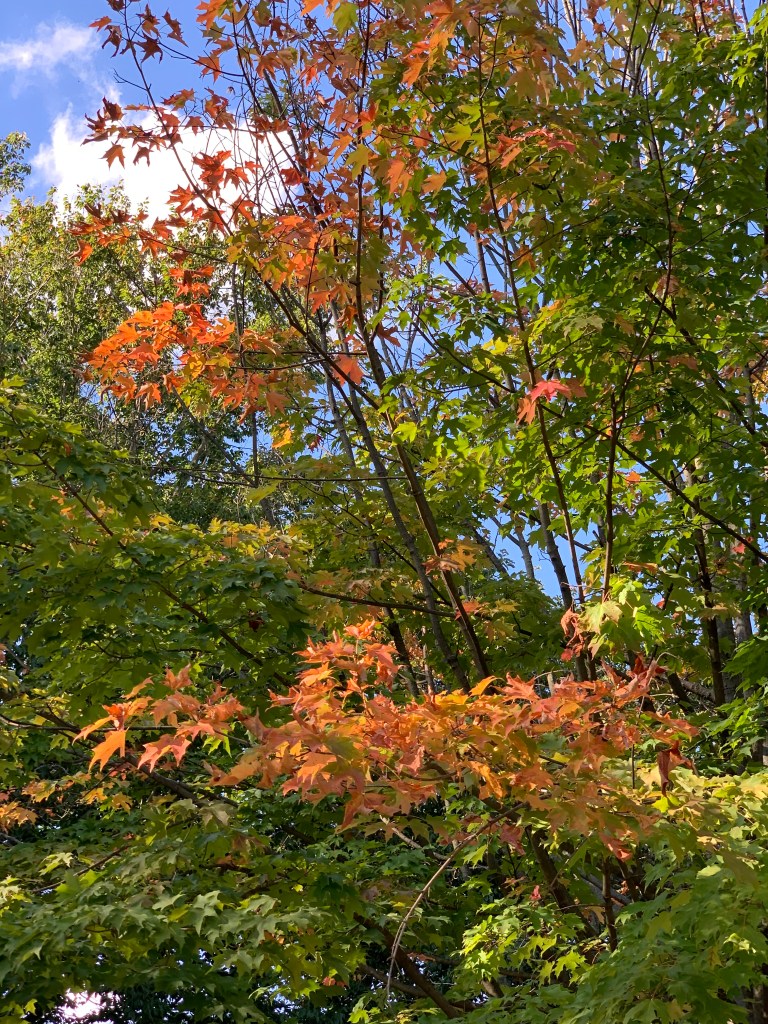
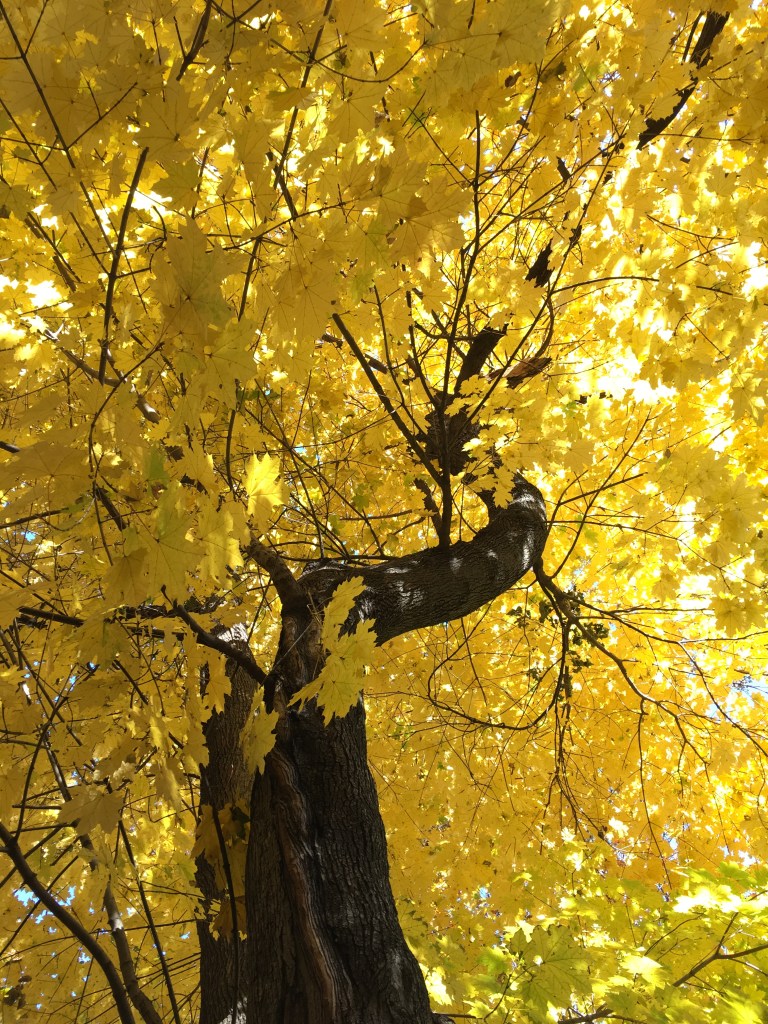
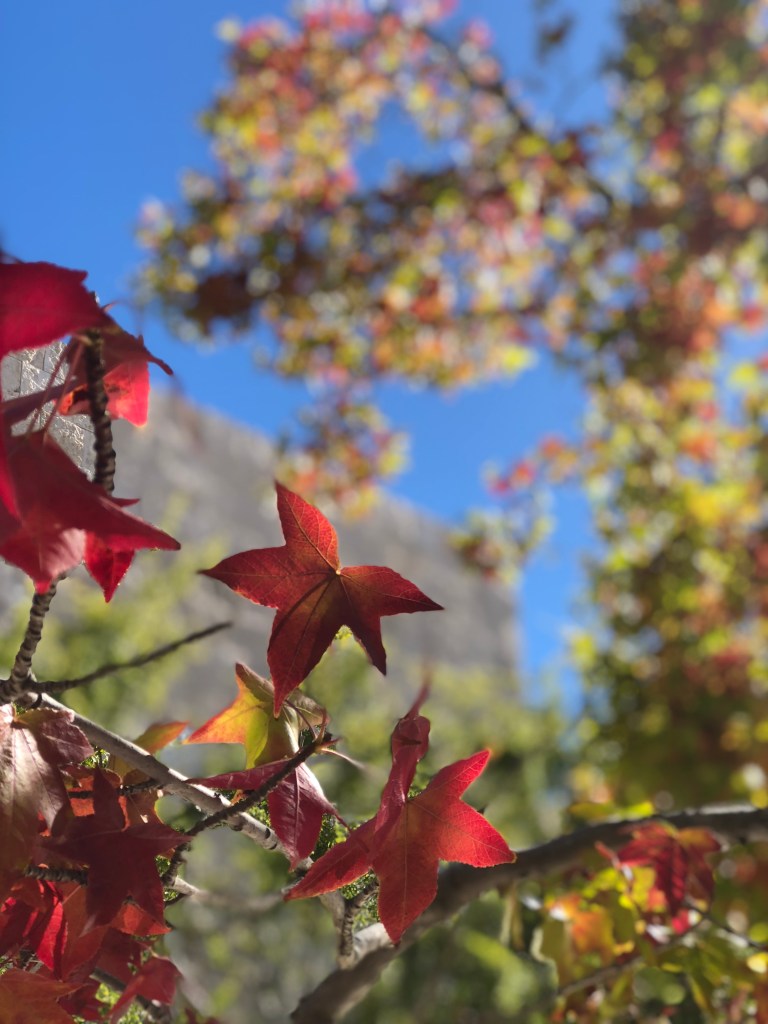
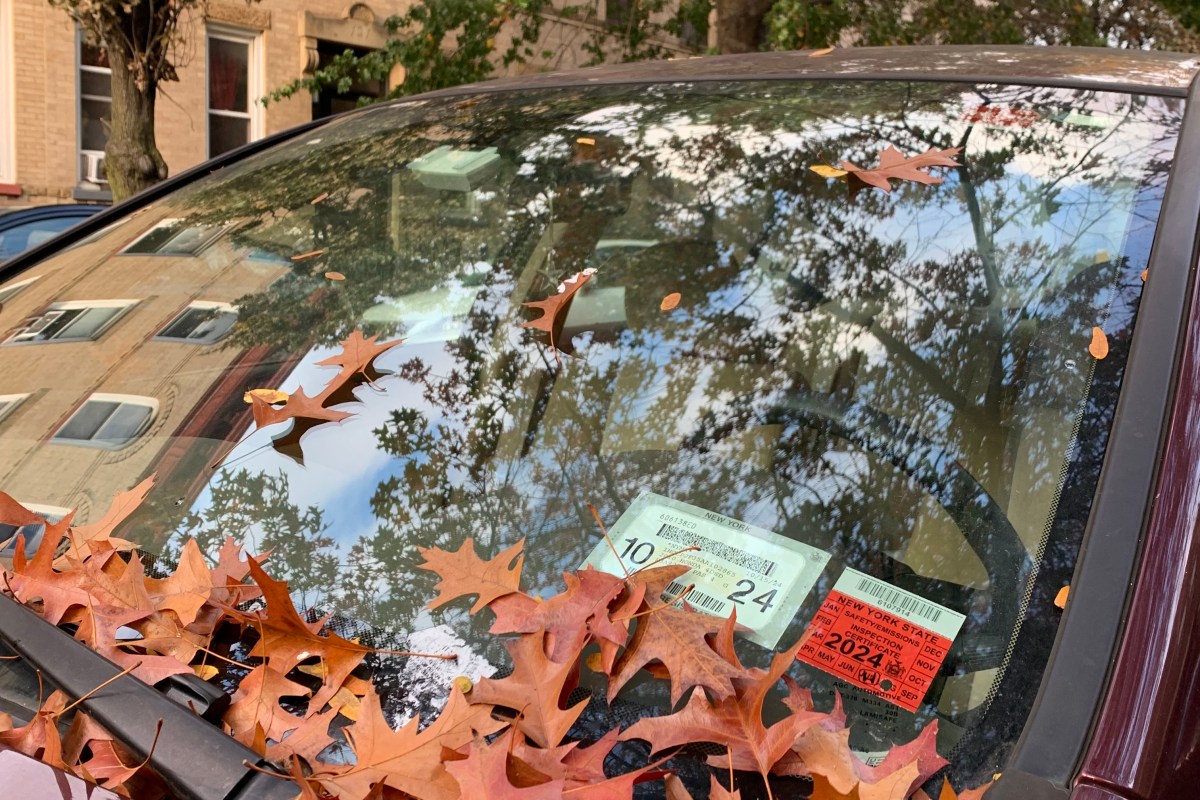
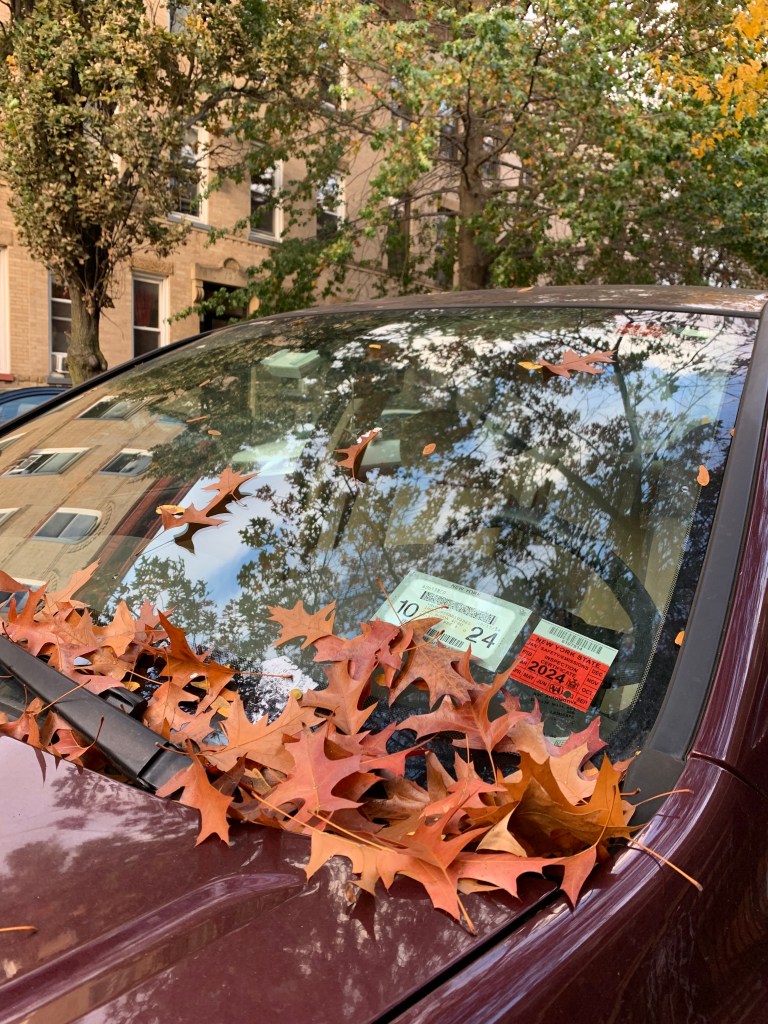
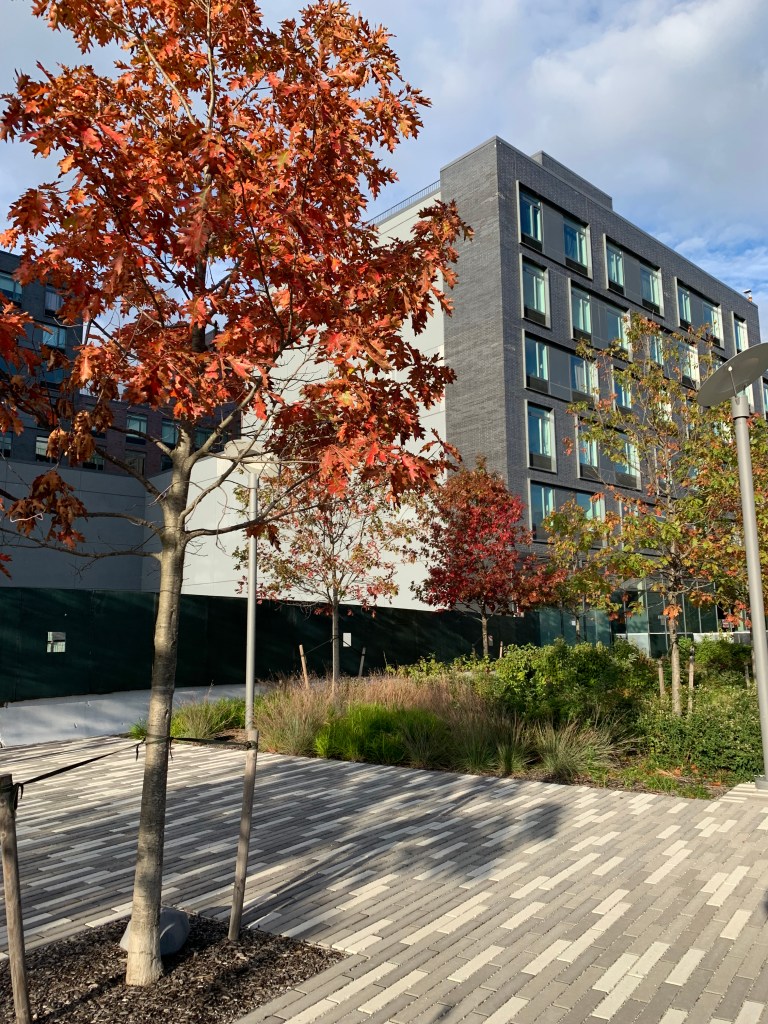
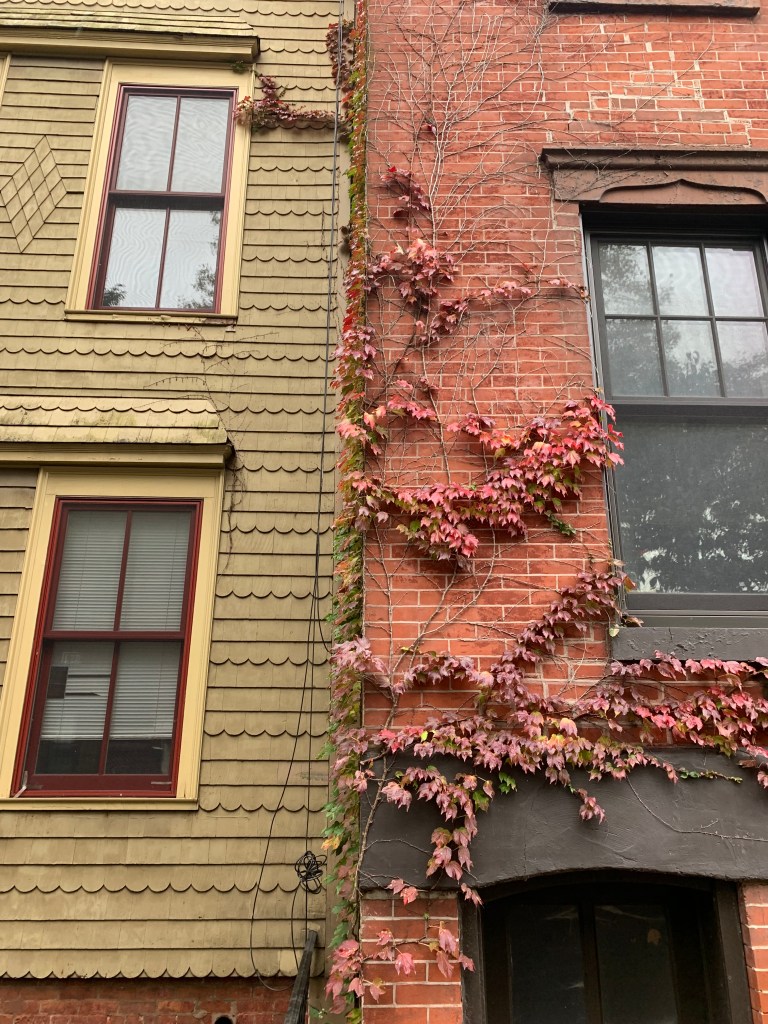
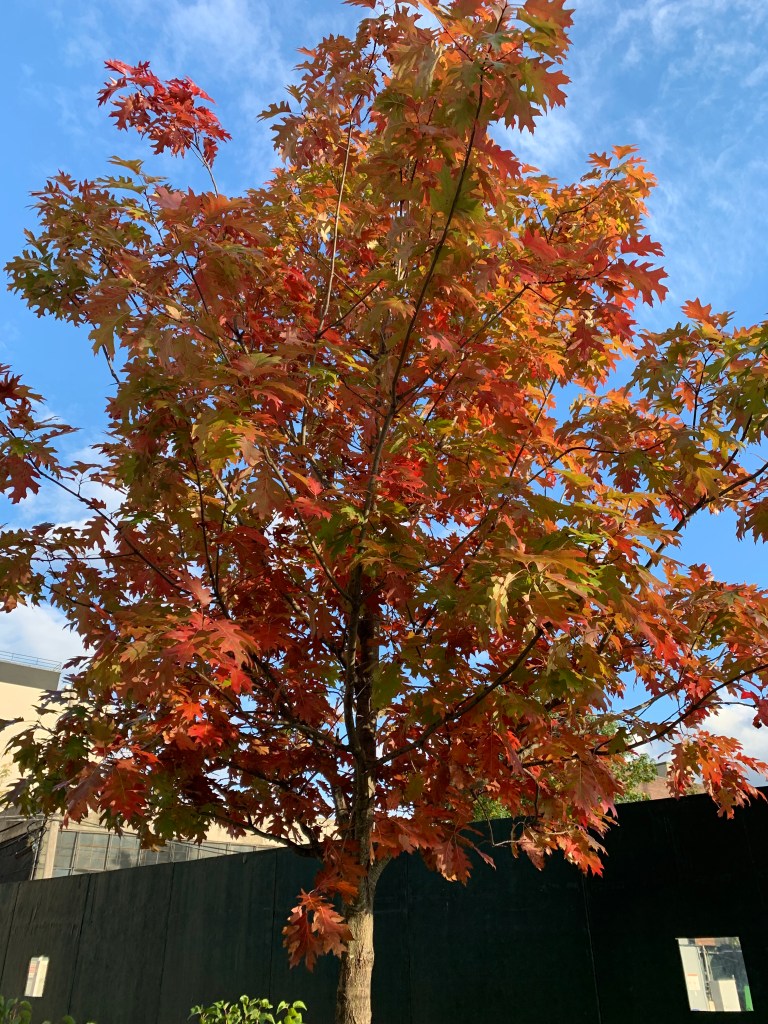
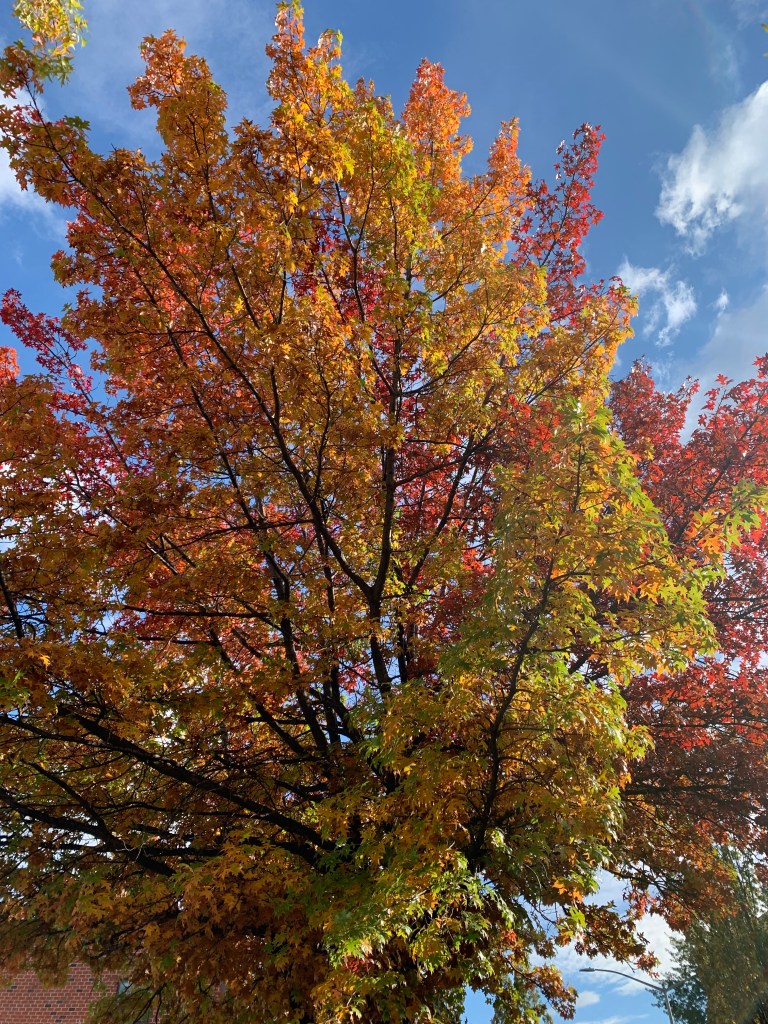
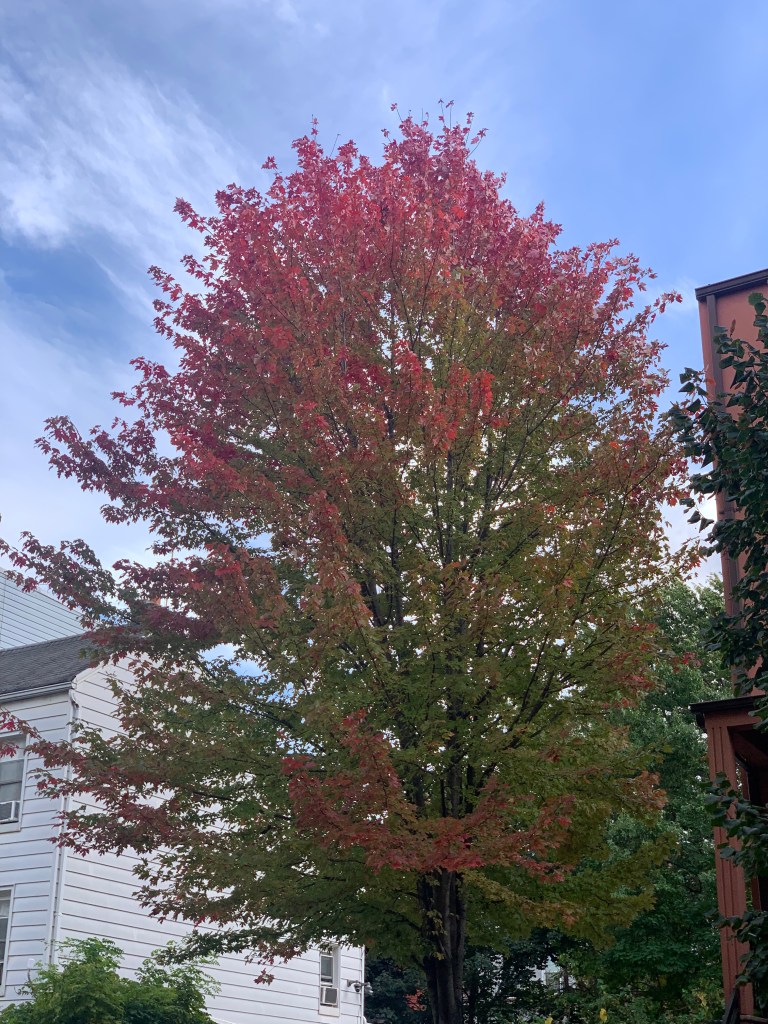
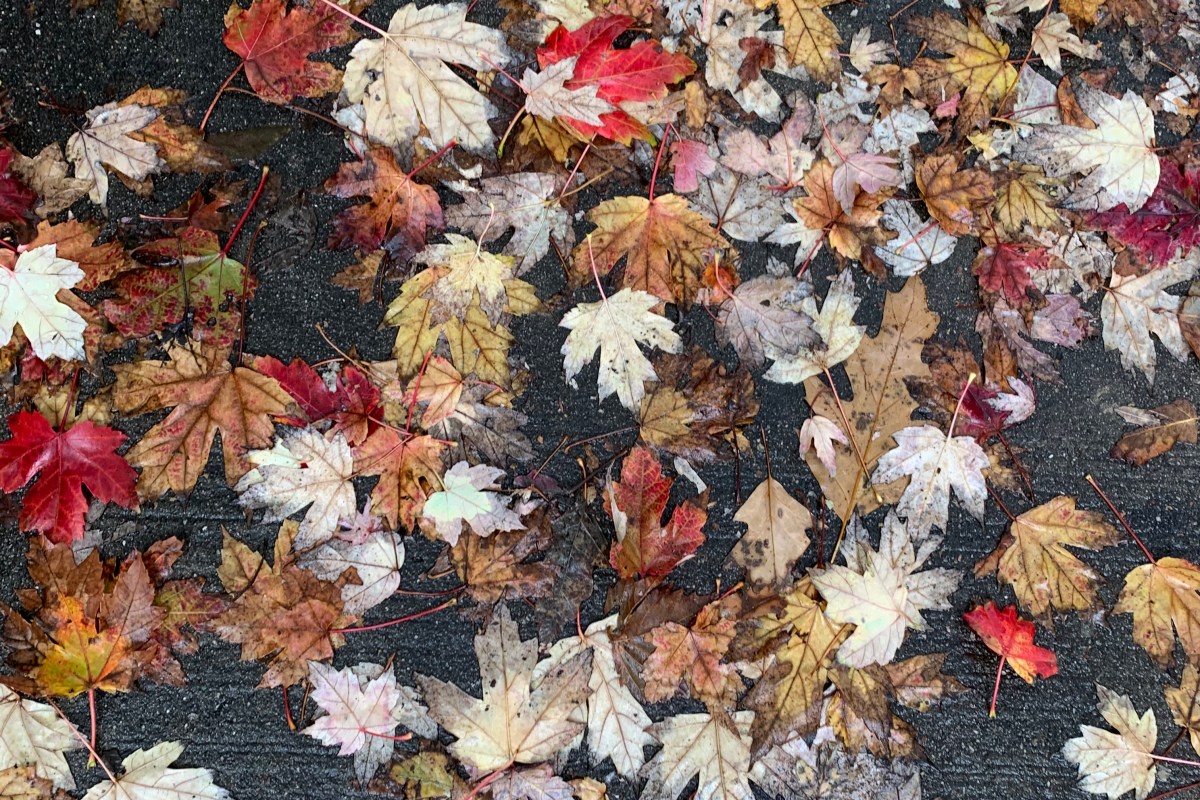
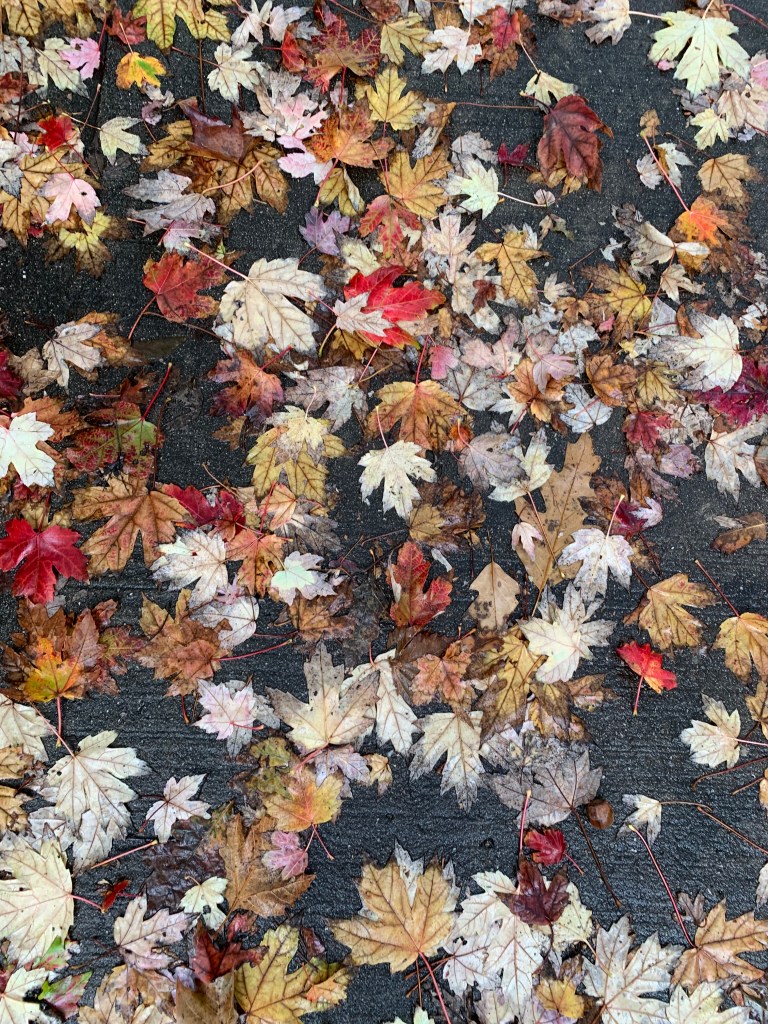
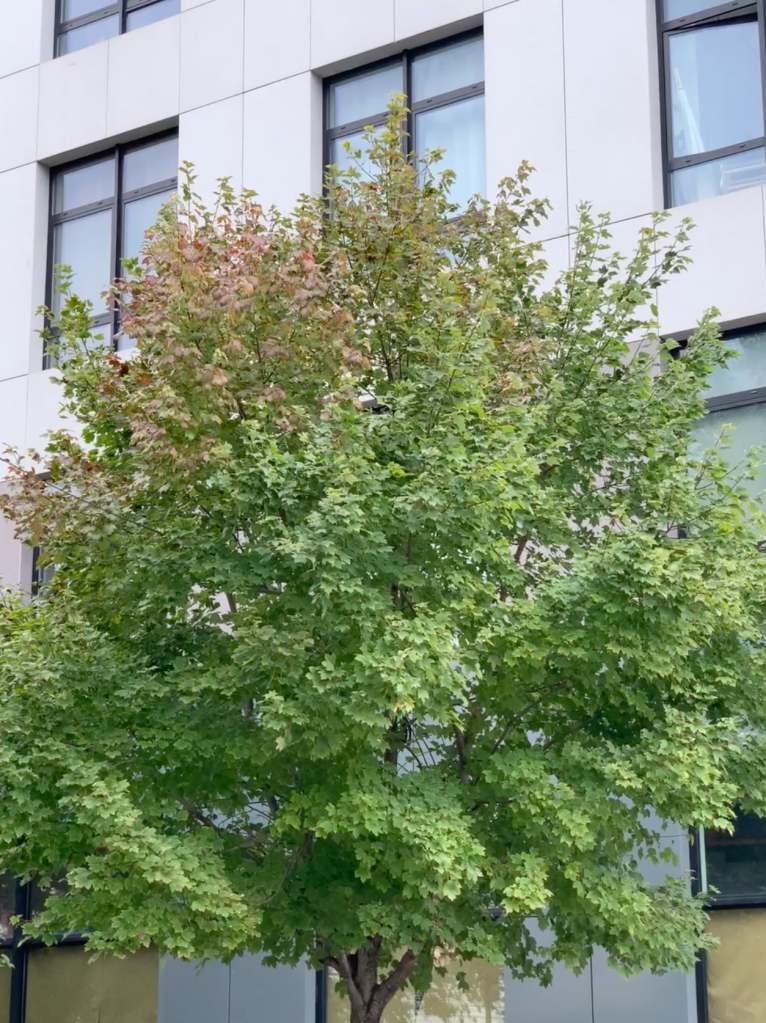
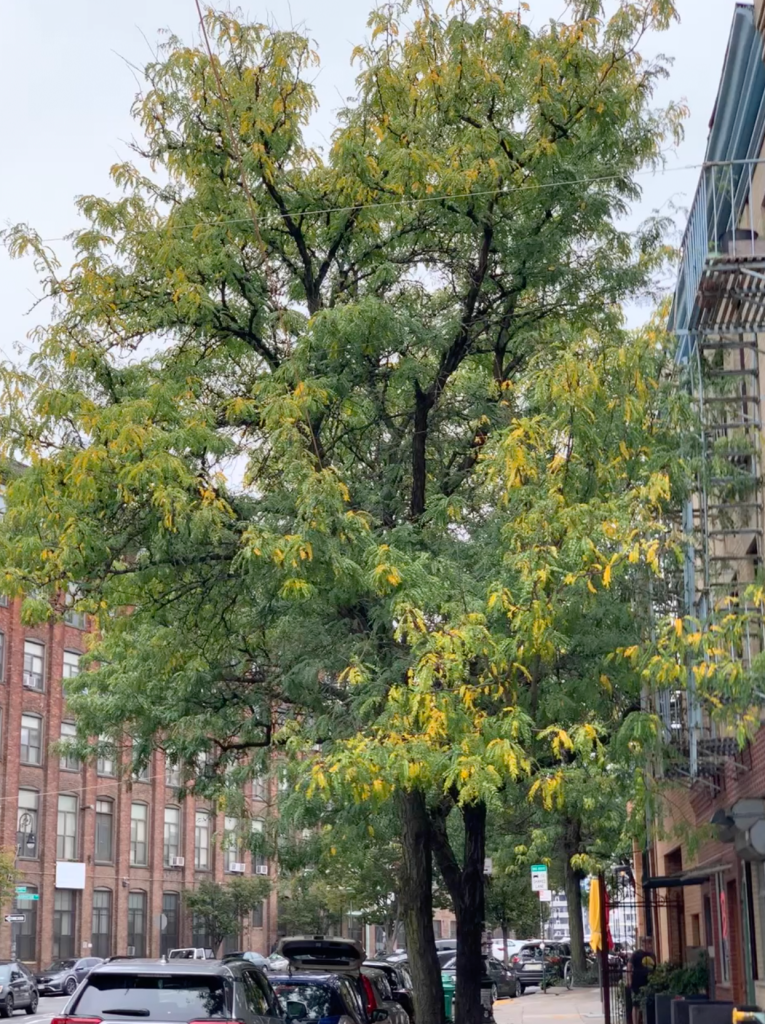
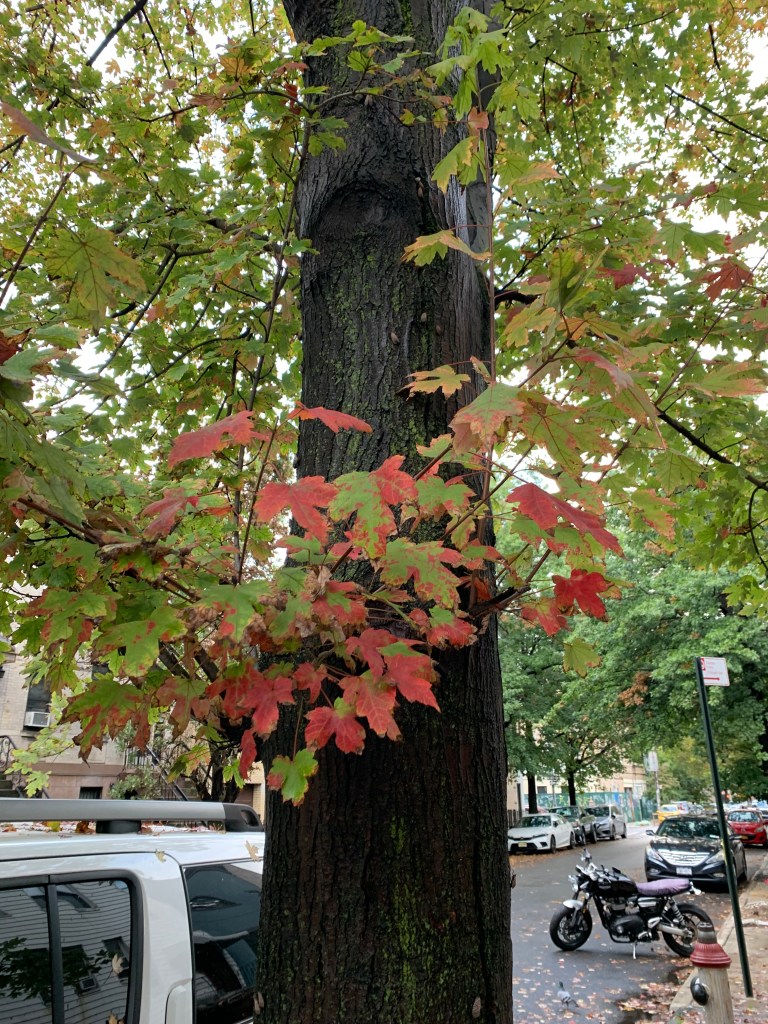
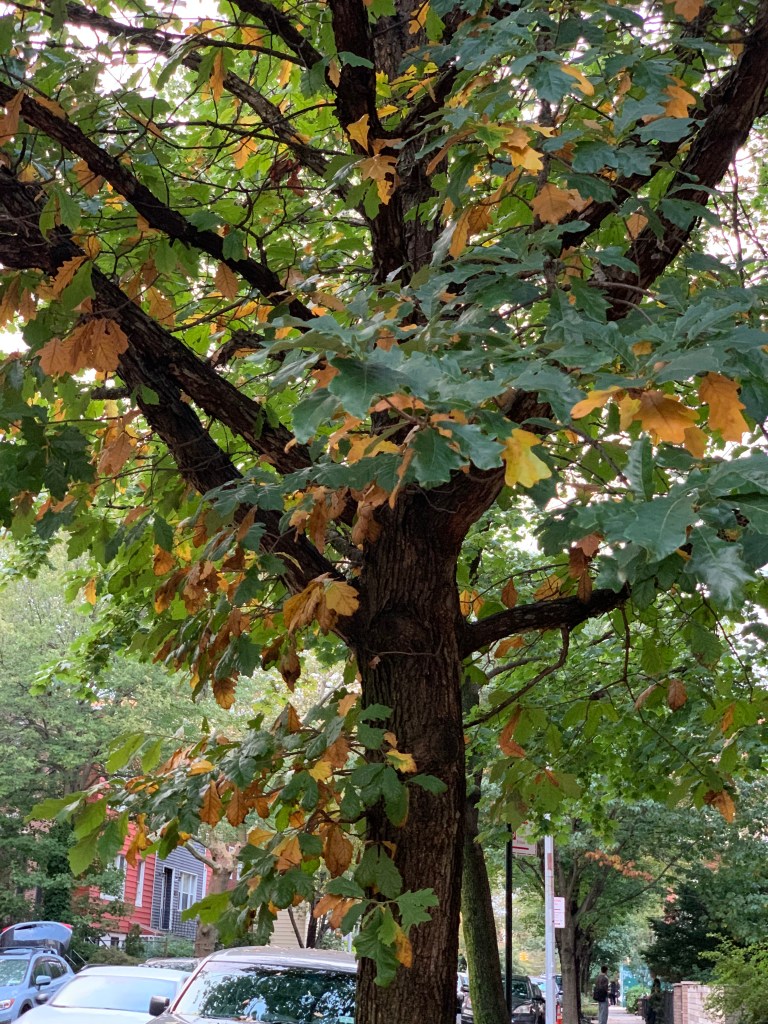
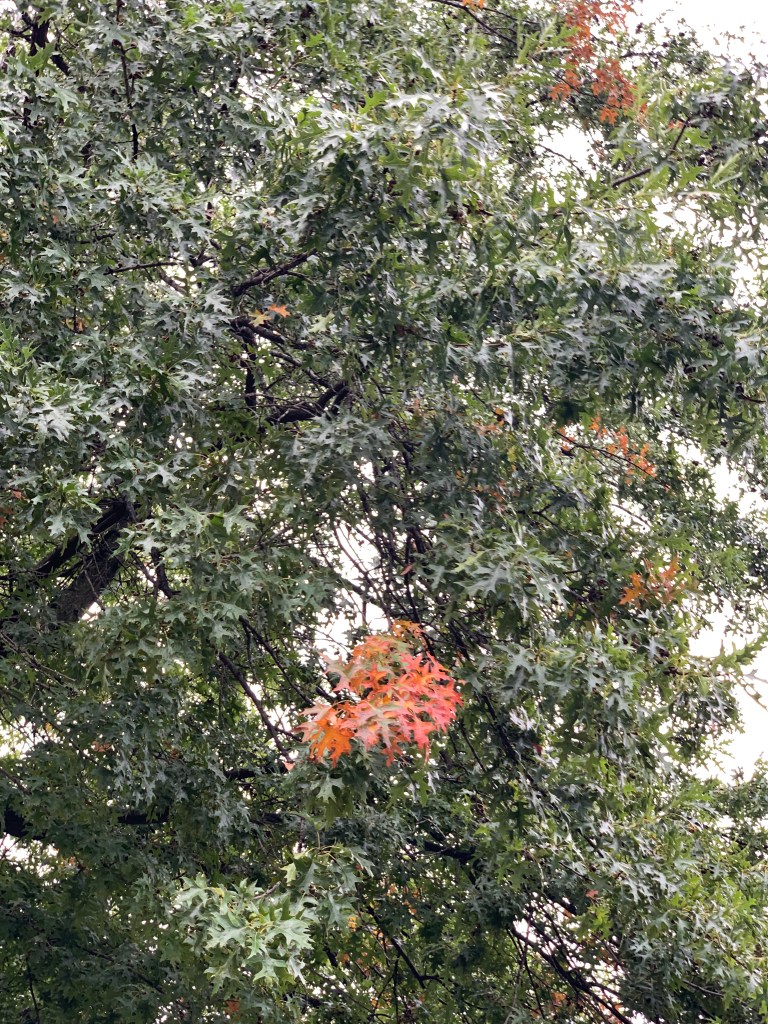
The past week brought crisp, cool nights to the Big Apple. These cooler temperatures will help to accelerate the changing of the leaves, and we can expect to see more vibrant colors in the city’s trees soon.

Maple Trees

Maple trees are a common sight in the Northeast and are known for their vibrant fall foliage. But with so many different types of maple trees, how can you tell them apart?

One of the easiest ways is to look at their distinctive shapes.

Another common maple tree is the Norway maple, an invasive species native to Europe that was first introduced to North America in the mid-18th century. I often mistook Norway maples for sugar maples or red maples, but there are a few key differences to look for:

Leaf edges: Red maples have jagged sawtooth edges, while Norway and sugar maples have smooth-edged leaves.

Leaf density: Norway maples have denser foliage.

Seed dispersal: Sugar and red maples produce seeds in early spring, while Norway maples spread their seeds in the fall.

Leaf lobes: Red maple leaves typically have three lobes, while Norway and sugar maple leaves tend to look five-lobed.

Foliage outside NYC

While the city’s foliage is still catching up, now is the perfect time to explore the vibrant colors beyond its borders. Choosing the best location for leaf-peeping can be a daunting task, but fortunately, there are many resources to help you make an informed decision.

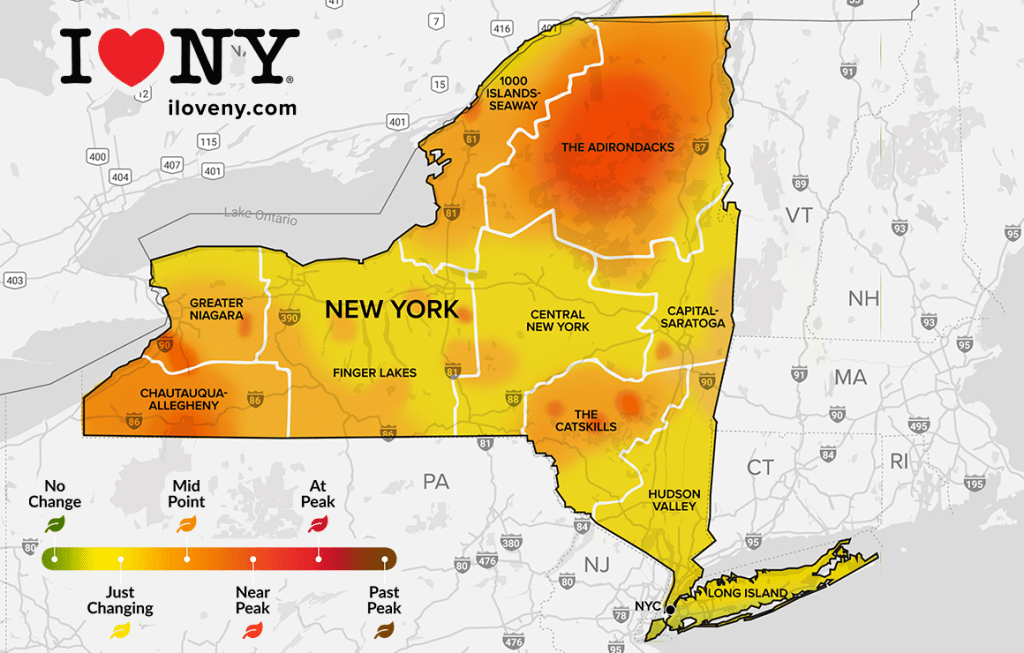
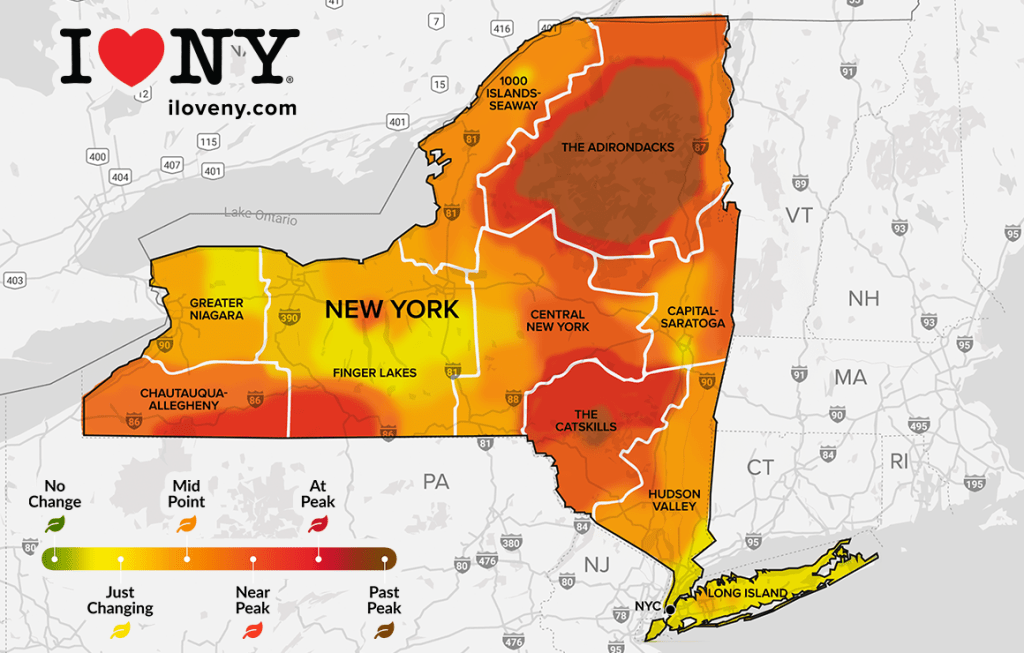
  1. NY – I love NY foliage report – This popular IG page with a website gives a weekly report on the foliage progression around NY state. Reports are obtained from volunteer field observers and reflect expected color conditions for the coming weekend. Reports are issued every Wednesday afternoon.
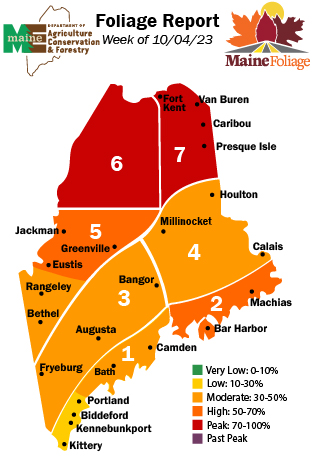
  2. Maine – If you want to visit Maine this fall, you should check out the state’s official website, which gives the foliage report for Maine state. The report covers seven different zones and has six levels of foliage statues.
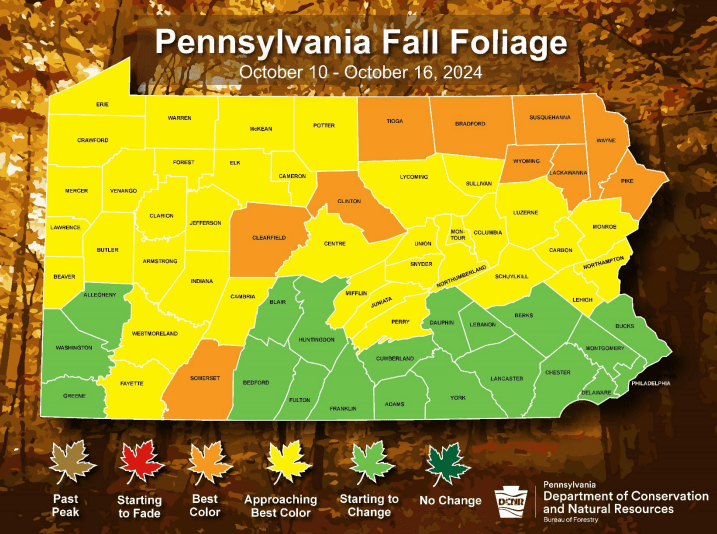
  3. Pennsylvania – PA DCNR follows the fall season with complete reports with all PA regions. Like Maine, they also set 6 different levels of foliage progression.
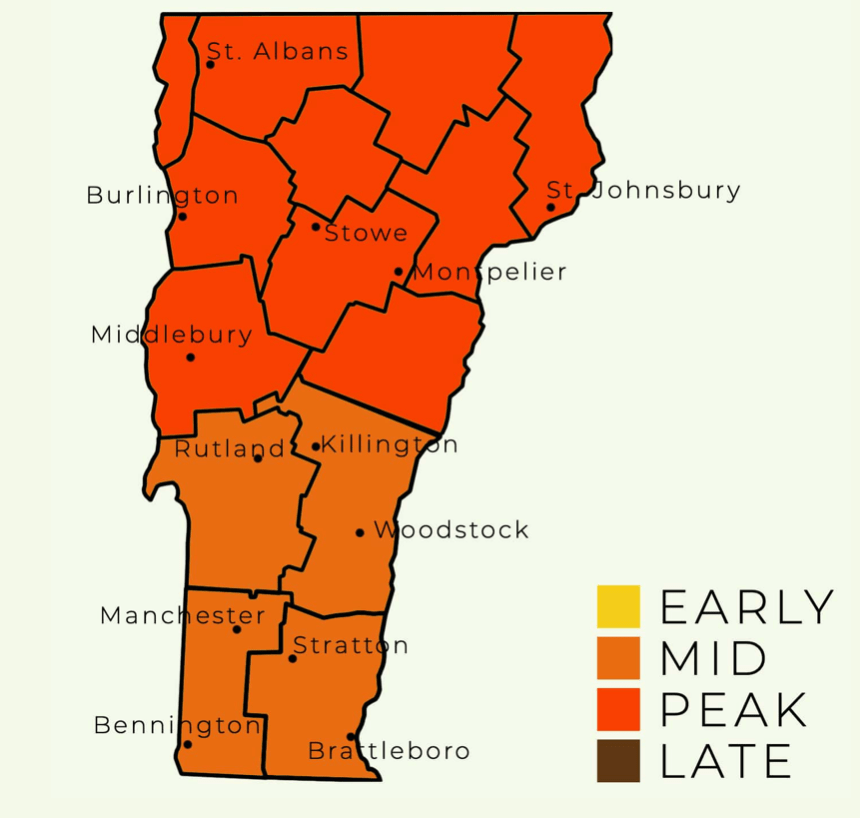
  4. Vermont – Vermont’s official website provides foliage reports based on the Vermont Department of Tourism and volunteer members of their “Leaf Squad” from around the state. Their foliage levels are simple and have only four stages.
  5. New Hampshire – VisitNH website gives detailed foliage reports. While others use maps to visualize the foliage progression around the state, NH provides information about the seven zones.

Visit our Instagram and watch our stories to get more live updates.

September 21, 2024 – First Fall report of 2024

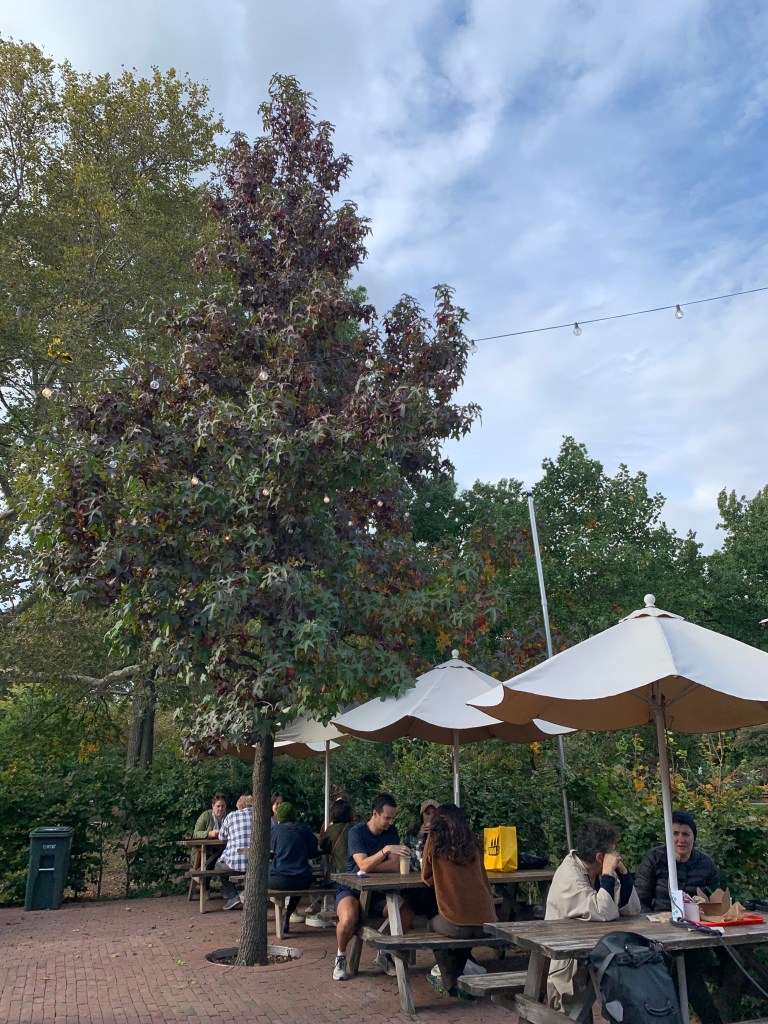
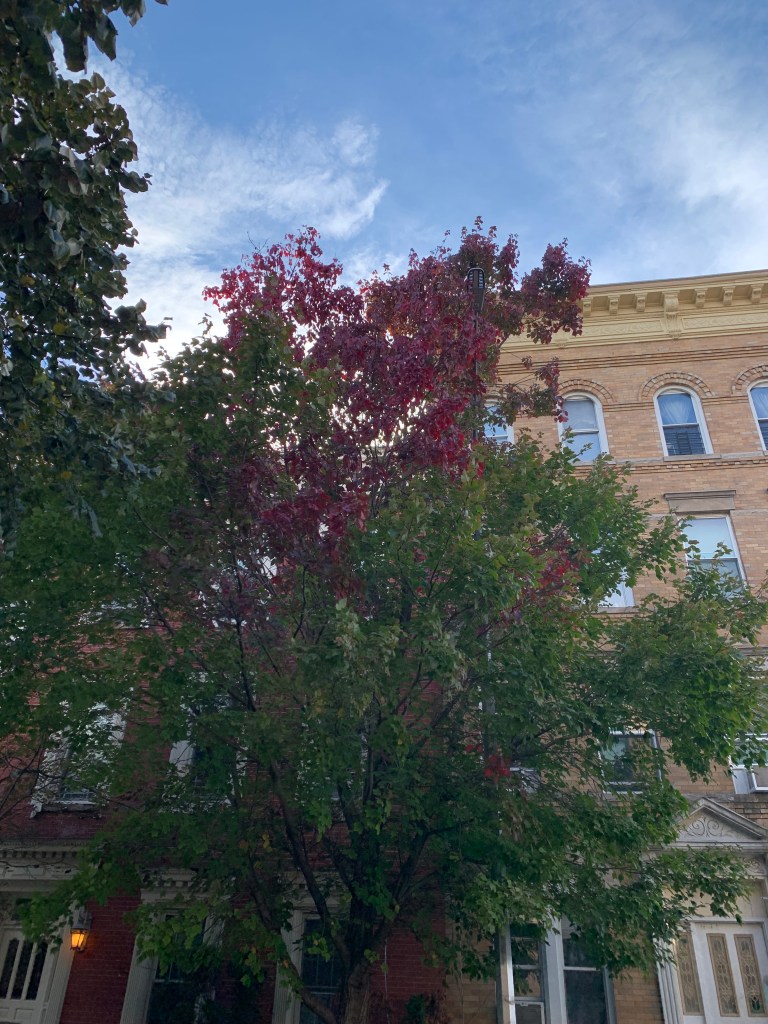
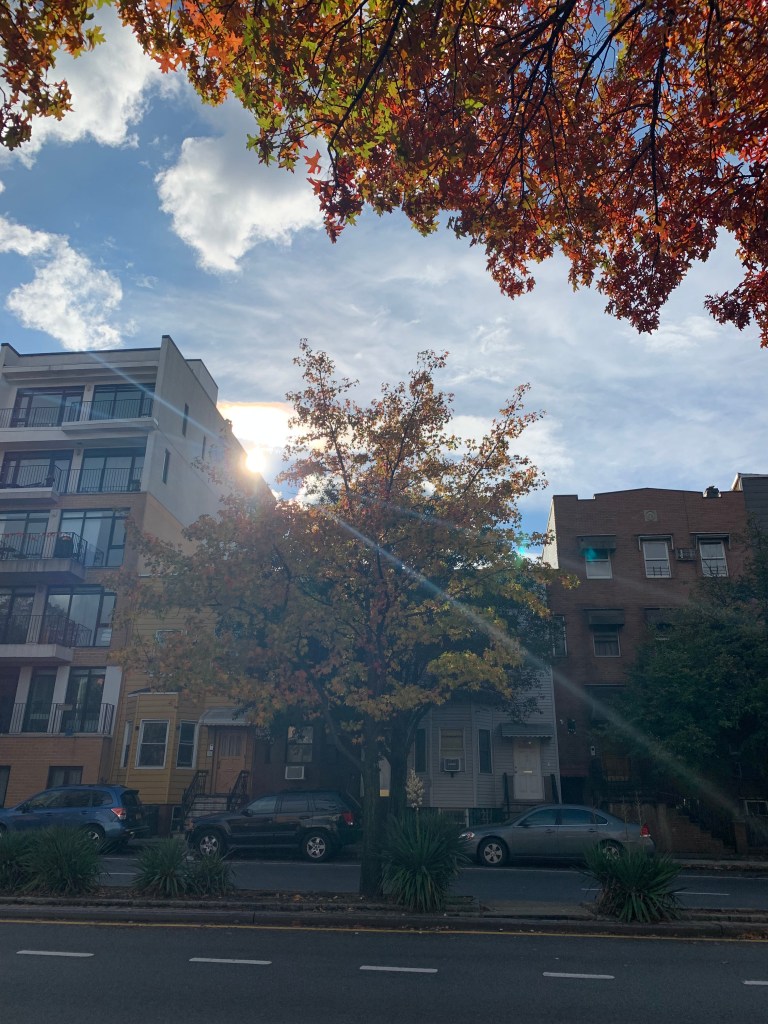
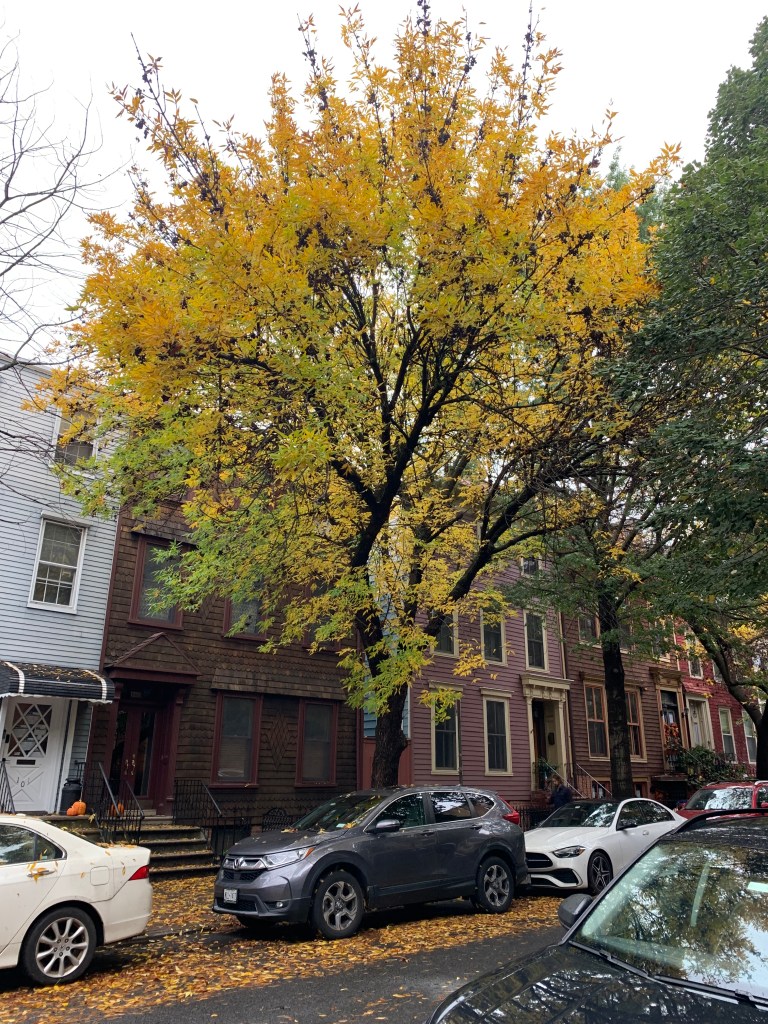
As autumn begins to paint the city in vibrant hues, we’re excited to share our first foliage report. While our area is still lush green, a few early birds have already begun to change color.

We anticipate a later-than-usual peak foliage season in New York City, with the most stunning displays expected in late October or early November.

Stay tuned for regular updates on the city’s foliage progression and discover the best spots to experience the autumnal beauty, and the best spots to see the leaves.

So what is happening now?

Our home page now features a list of trees, updated in real time to show their current foliage status. Discover which trees are at their peak color and plan your autumn adventures accordingly.After witnessing breathtaking displays in 2021, 2022, and 2023, we eagerly anticipate another magnificent fall foliage season this year.

Summer Foliage – A Natural Phenomenon

Summer foliage refers to the early or prolonged loss of leaves by trees during the summer season. This is a protective mechanism, allowing trees to conserve water and regulate their temperature in response to the hot weather. While it’s a normal process, global warming has led to earlier and more extended summer foliage in some regions.

This extended period of stress can increase a tree’s vulnerability to diseases and pests. Therefore, it’s essential to provide extra care to trees experiencing summer foliage, ensuring they receive adequate water and nutrients.

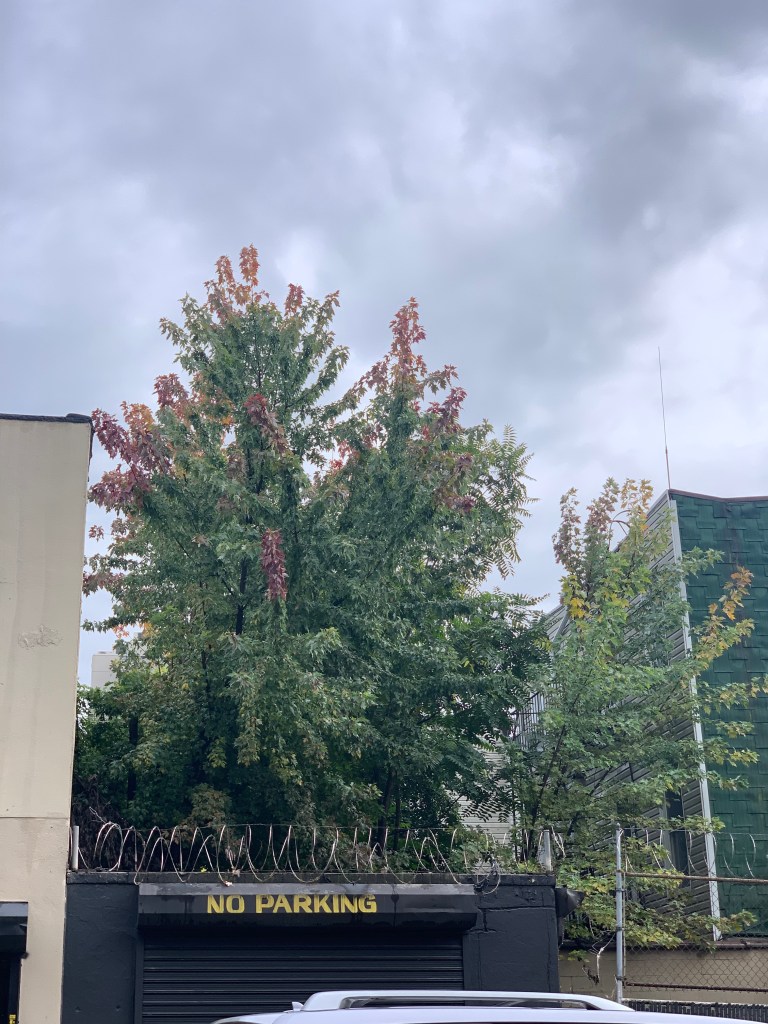
Here are some pictures of trees that are under summer foliage:

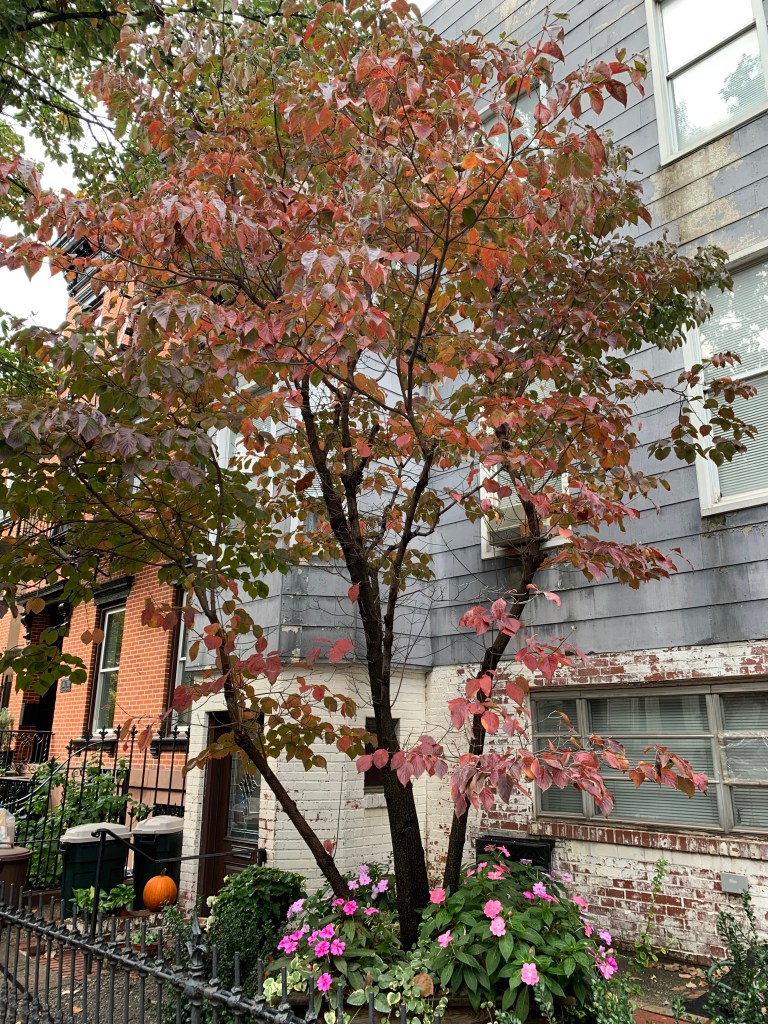
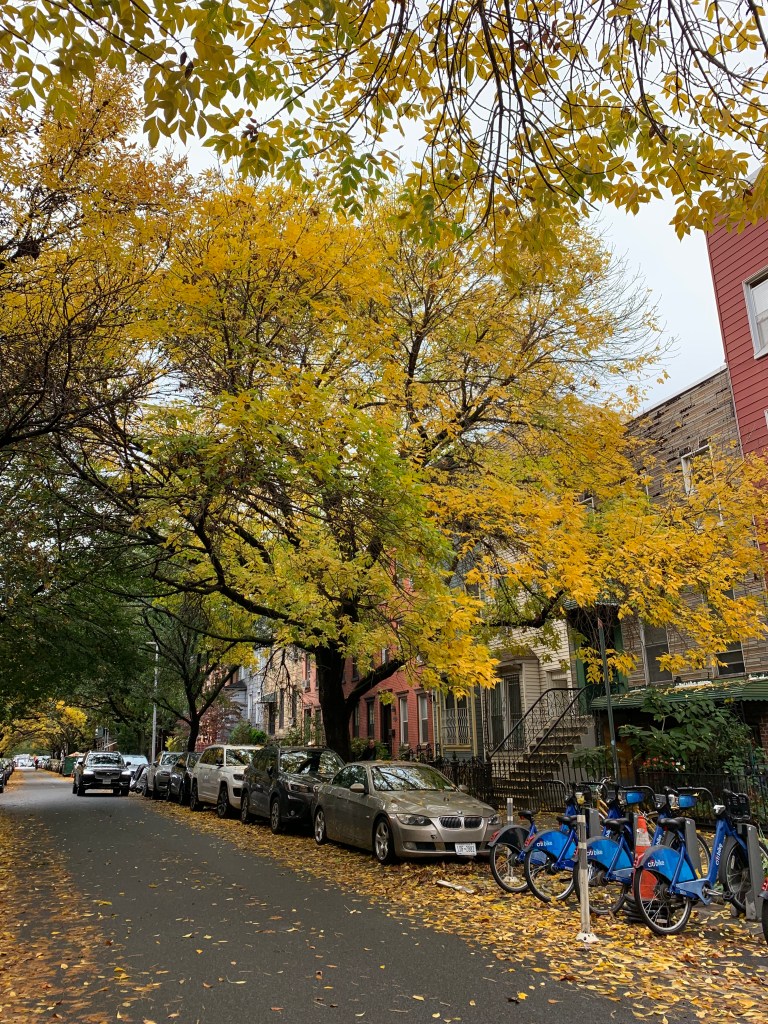
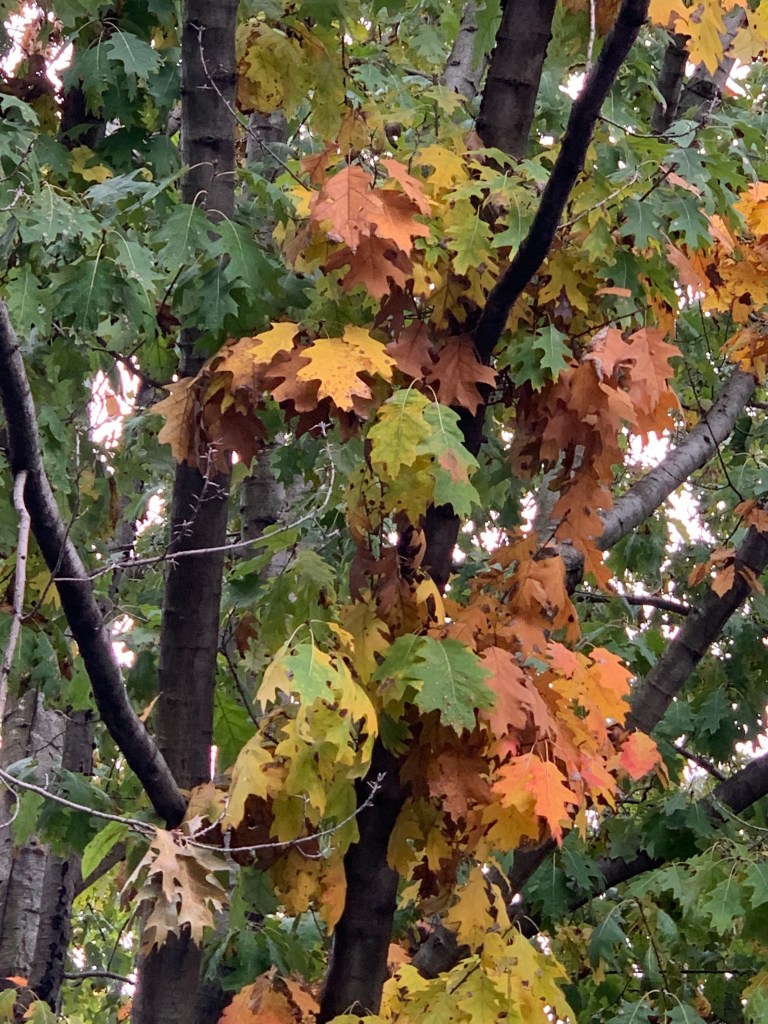
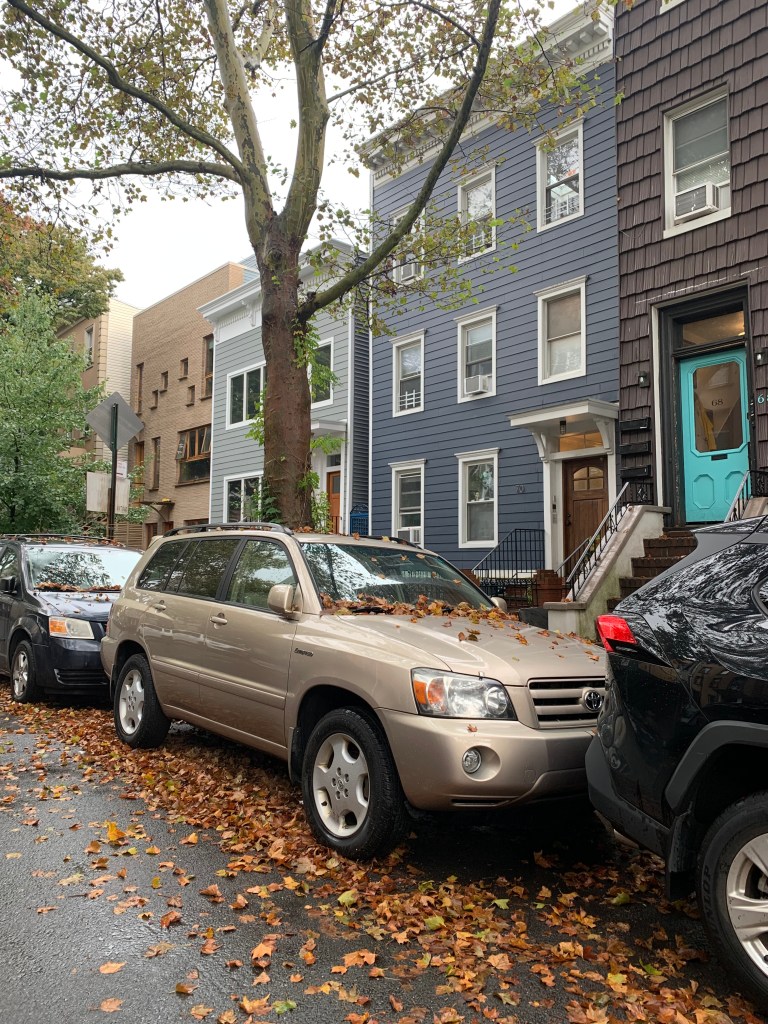
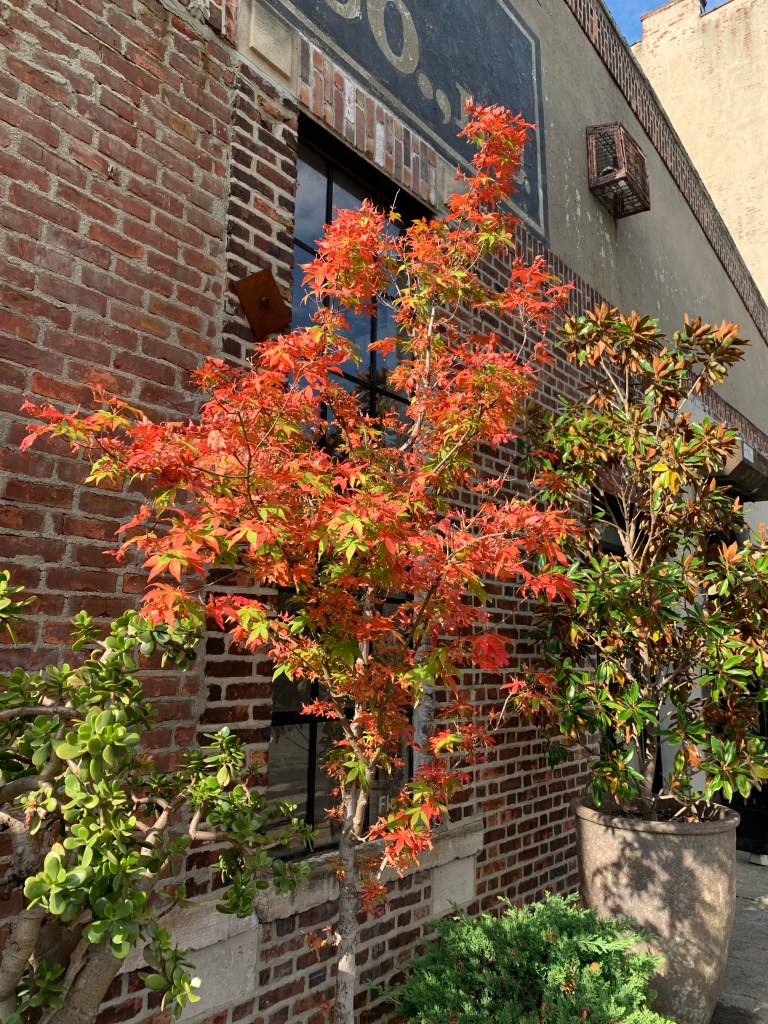
Meanwhile, early fall colors are emerging in a handful of Brooklyn trees:

Factors Influencing Fall Foliage

The vibrant hues of autumn foliage are a result of various environmental conditions. As days shorten and temperatures cool, these factors play a critical role in determining when leaves change color and eventually fall. While weather is a significant influence, understanding foliage progression conditions can help predict peak foliage seasons in different regions.

Sunlight: The amount of sunlight a leaf receives is a primary determinant of its color. Chlorophyll, the pigment responsible for the green color, requires sunlight to produce. As daylight decreases in autumn, chlorophyll production slows, revealing the underlying pigments of red, orange, and yellow.

Soil Type: The acidity or alkalinity of the soil can also impact fall colors. Leaves growing in acidic soil often exhibit red or purple hues, while those in alkaline soil tend to be yellow or orange.

Temperature: A combination of cool nights and warm days is optimal for producing vibrant fall colors. Extreme temperatures, either too hot or too cold, can diminish the intensity of the colors.

Leaf Moisture: Dry leaves tend to change color more rapidly than wet leaves. Adequate moisture is essential for maintaining leaf health and vibrant colors.

Don’t miss the latest updates, and subscribe now:

Visit our Instagram and watch our stories to get more live updates.
March 02 2024 – First Spring Report

Welcome to the first 2024 spring report!

It is finally March, and you can already feel spring in the air. The past winter brought some snow storms to the east coast, but overall it was warmer than the average. According to AccuWeather, every state in the continental U.S. had temperatures warmer than the historical average this winter, and three states, Minnesota, Wisconsin, and Michigan, reported their warmest meteorological winter on record. With way above temperatures on the horizon, we can expect things to be speeded up and see more signs of spring. When checking on last year’s first signs, it is about the same time (We saw the first signs in Late February of 2023). However, things are still unstable. Some days reach up to 60 degrees, but some go below the ’40s. These conditions can cause damage to the blooming flowers, as we experienced in 2022 with the Saucer Magnolias. Daffodils sprouts from the ground, but freezing temps can ruin their growth. On the other hand, Crocus can be seen all around the city (especially in parks and community gardens), and they can open up and close depending on the light and temperatures, so they can hold on even if it gets too cold.

March 02, 2024 – Crocus and Snowdrops are the first flowers to appear and create beautiful spots in white, yellow, and purple.
Hybrid Witch Hazels are deciduous shrubs or small trees. They are early birds of spring. With yellow spiked flowers, they are the first to bloom in the city. You can find them in many Gardens and parks around all the different boroughs. At the Madison Square Park you can see over 70 varieties of this versatile plant. There’s special lunchtime tours that will take place in early March.
For more info check out the park’s IG post:

Here are some pictures I took in Brooklyn:

Okame Cherries, which last year bloomed in late February, are in progress stage, and some flowers are peeping out.

The below pictures are from Williamsburg, Brooklyn:

Cherry Blossom – NYC Vs Washington DC

There are three predictions of when the Cherry blossom will reach its peak bloom in Tidal Basin at Washington DC.

National Park Service: March 23 – 26.

Washington Post: March 19 – 23.

NBC Storm Team 4: No prediction yet.

They all usually update the predictions during the season.

Depends on the weather, It usually takes 2-3 more weeks for the NYC to reach its peak bloom, .

For comparison, in 2021, cherry blossom in DC had peaked bloom on March 21, while NYC reached the peak bloom on April 7.

In 2022, cherry blossom had peaked bloom on March 22, while NYC reached the peak bloom on April 8.

In 2023, cherry blossom had peaked bloom on March 23, while NYC reached the peak bloom on April 8.

If you want more information about the cherry blossom in DC, I recommend following https://cherryblossomwatch.com @cherryblossomwatch for all reports.

Subscribe to stay updated and follow us on Instagram to get more reports, pictures, and videos.

October 22, 2023

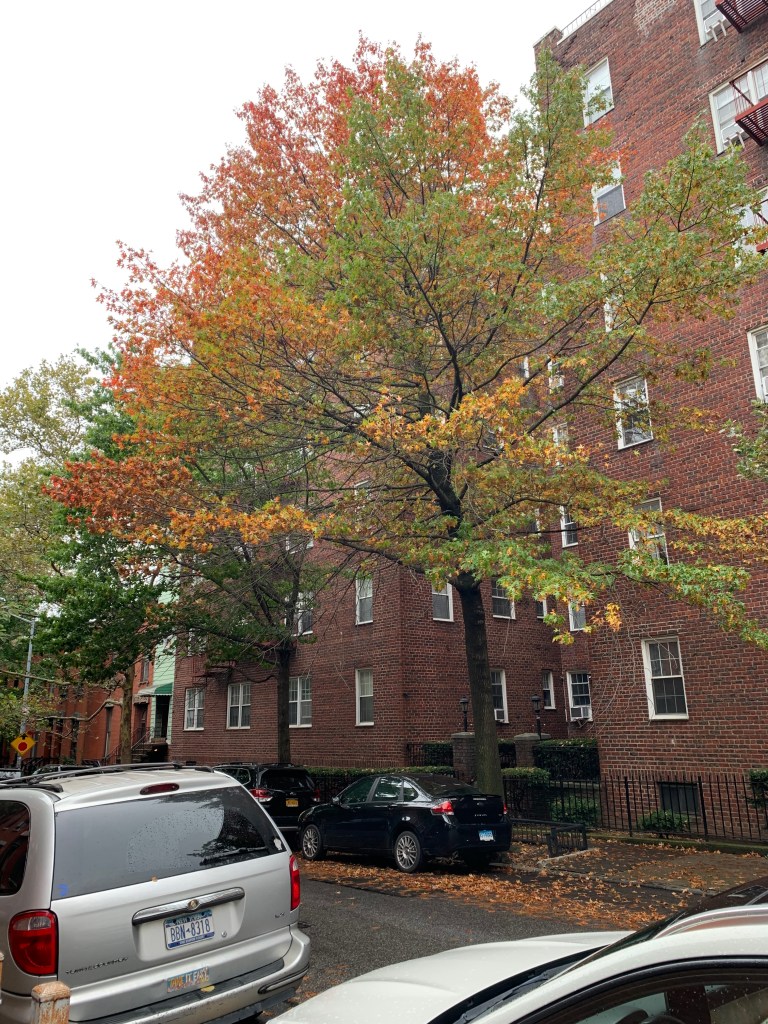
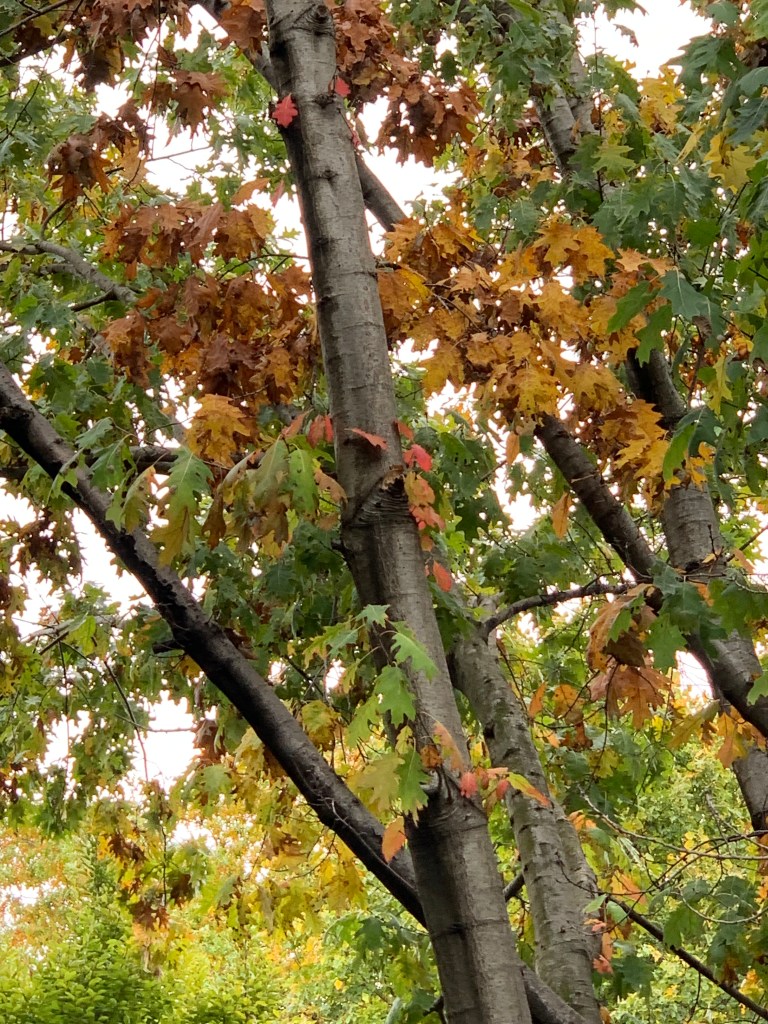
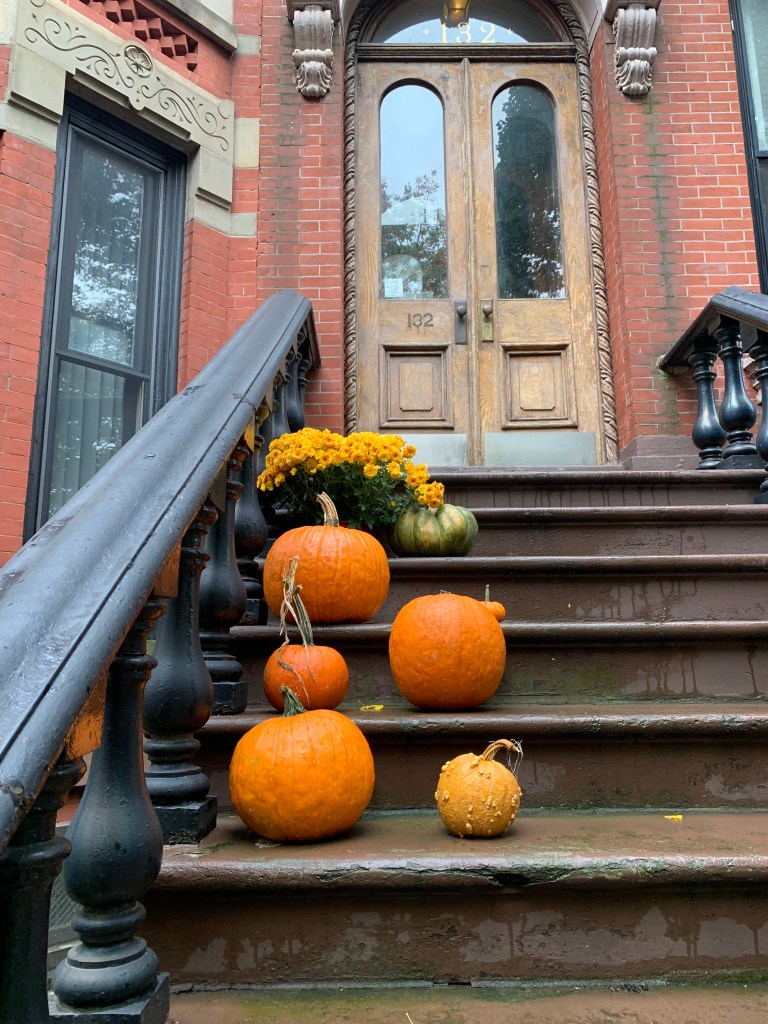
Going deeply into October in NYC brings the fall atmosphere around the five boroughs. With beautiful color spots on the trees, pumpkins standing on brownstones’ stairs, and Halloween crazy and fun decorations, you cannot deny it anymore – fall has arrived in the city. Low temperatures are moving things in the right direction. Although this fall has been pretty wet so far, which is not ideal for the colors, it seems that we’re still getting vibrant colors around the city. Some trees have reached their peak color and some are halfway there. Read the full report below for more details.

Foliage stage in NYC

In two weeks, you can see a significant change in many plants.
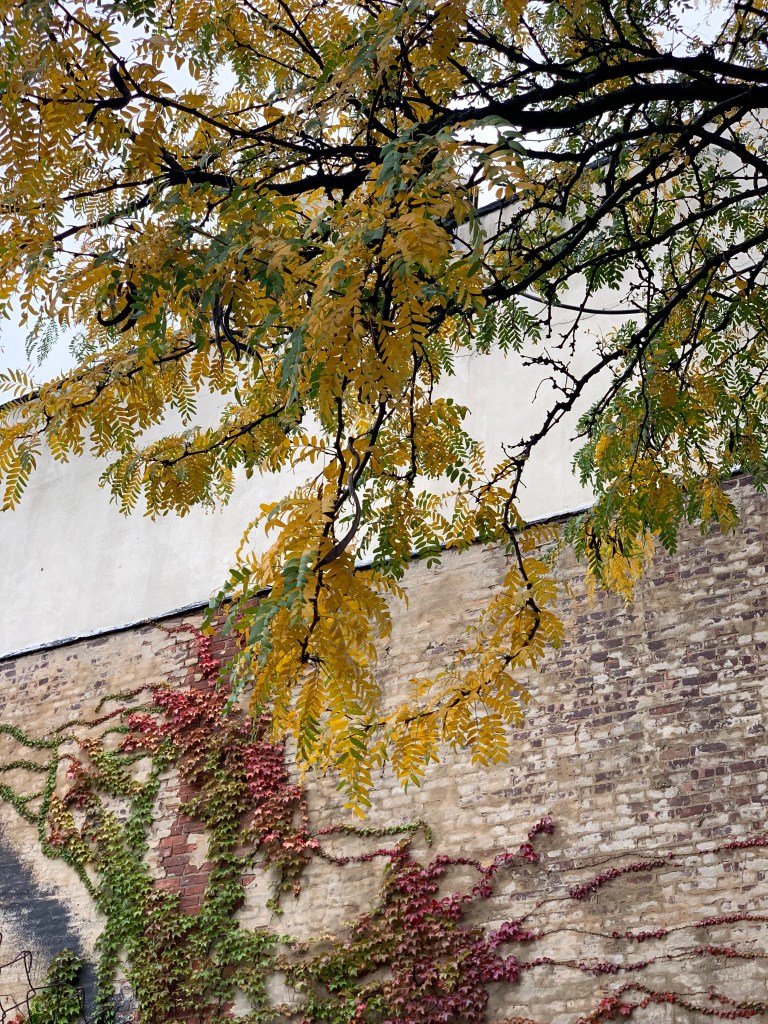
Virginia creeper, which is a very common climb-plant, have reached their peak color.
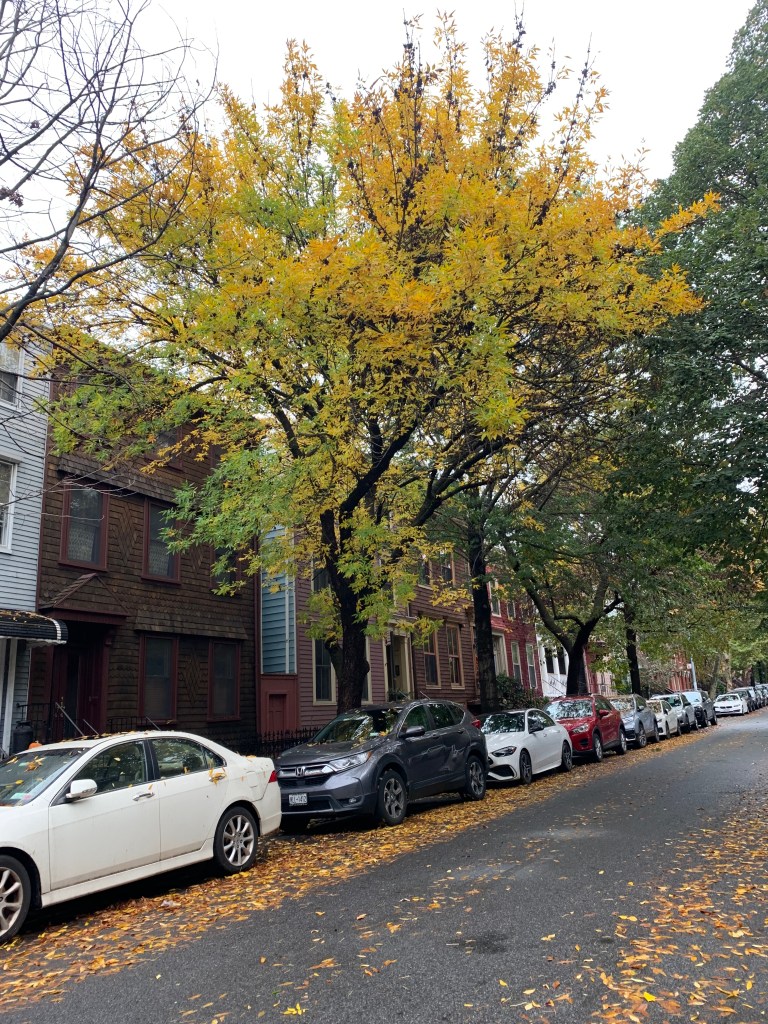
So are Thornless Honey locust trees which you can see in beautiful yellow.
Red and Silver maples are reaching 50% color these days and bring stunning colors to the streets.
It is also the Ash trees prime when they get fully yellow and also give the ground a layer of leaves.
Mature White Oaks are changing their leaves to beautiful yellow, about 50 percent changed.
Some of the Liquid Amber trees are still fully green. However, you can find some that are already 50 percent changed.
Red Oaks have made another progress and are about 30 percent changed, while thePin Oaks are

Here are some pictures I took yesterday in Brooklyn:

Maple Trees

Maple trees are prevalent in the northeast areas and can bring us bright colors during the Fall. But there are so many kinds of Maple trees. So how can you identify them?
It is easier once you become familiar with their shape differences.

Another prevalent Maple is the Norway Maple, an invasive European tree first introduced to North America between 1750 and 1760. I tended to misidentify Norway Maples as Sugar Maples or as Red Maples. However, there the small details can tell you the differences:
Norway maple will have more dense leaves grows.
Sugar and Red maples will have their seeds in early spring, while Norway maples will spread their seeds during fall.
A red maple leaf often has three lobes, while the Norway and sugar maples tend to look like they have five. Also, the edges of the leaf’s jagged sawtooth pattern can give you another clue. Red maples have that, but Norway and sugar maples have smooth-edged leaves.

Foliage outside NYC

Deciding where and especially where to go and watch the foliage in peak color can be a struggle.
However, there are many sources that can help you make a better decision.

  1. NY – I love NY foliage report – This popular IG page with a website gives a weekly report on the foliage progression around NY state. Reports are obtained from volunteer field observers and reflect expected color conditions for the coming weekend. Reports are issued every Wednesday afternoon.
  2. Maine – If you want to visit Maine this fall, you should check out the state’s official website, which gives the foliage report for Maine state. The report covers seven different zones and has six levels of foliage statues.
  3. Pennsylvania – PA DCNR follows the fall season with complete reports with all PA regions. Like Maine, they also set 6 different levels of foliage progression.
  4. Vermont – Vermont’s official website provides foliage reports based on the Vermont Department of Tourism and volunteer members of their “Leaf Squad” from around the state. Their foliage levels are simple and have only four stages.
  5. New Hampshire – VisitNH website gives detailed foliage reports. While others use maps to visualize the foliage progression around the state, NH provides information about the seven zones.

Visit our Instagram and watch our stories to get more live updates.

October 08, 2023

The past two weeks have brought high as well as low temperatures. It began with breeze days that expedited some of the stages in some trees, but the warm past week slowed things down for a few days. However, more days with low temperatures are upon us, daylight gets shorter, and both will expedite the process, in terms of foliage and help bring brighter colors to the city and the northeast area.

Foliage stage in NYC

As I said, low temperatures expedited the color change in the city, and you can see some progress in many different trees.
Mature White Oaks are changing their leaves to beautiful yellow, about 20 per cent changed.
Silver Maples are moving in the right direction with a nice red top, about 20 per cent changed.
Pin Oaks are also wearing a bit of yellow-orange colors and are about 5 per cent changed.
Dogwoods are in peak color at the moment with some nice red colors.
Carley Pear trees are also getting more red color and they are about 30-40 per cent changed.

Here are some pictures I took in the past week in Brooklyn:

Maple Trees

Maple trees are prevalent in the northeast areas and can bring us bright colors during the Fall. But there are so many kinds of Maple trees. So how can you identify them?
It is easier once you become familiar with their shape differences.

Another prevalent Maple is the Norway Maple, an invasive European tree first introduced to North America between 1750 and 1760. I tended to misidentify Norway Maples as Sugar Maples or as Red Maples. However, there the small details can tell you the differences:
Norway maple will have more dense leaves grows.
Sugar and Red maples will have their seeds in early spring, while Norway maples will spread their seeds during fall.
A red maple leaf often has three lobes, while the Norway and sugar maples tend to look like they have five. Also, the edges of the leaf’s jagged sawtooth pattern can give you another clue. Red maples have that, but Norway and sugar maples have smooth-edged leaves.

Foliage outside NYC

Deciding where and especially where to go and watch the foliage in peak color can be a struggle.
However, there are many sources that can help you make a better decision.

  1. NY – I love NY foliage report – This popular IG page with a website gives a weekly report on the foliage progression around NY state. Reports are obtained from volunteer field observers and reflect expected color conditions for the coming weekend. Reports are issued every Wednesday afternoon.
  2. Maine – If you want to visit Maine this fall, you should check out the state’s official website, which gives the foliage report for Maine state. The report covers seven different zones and has six levels of foliage statues.
  3. Pennsylvania – PA DCNR follows the fall season with complete reports with all PA regions. Like Maine, they also set 6 different levels of foliage progression.
  4. Vermont – Vermont’s official website provides foliage reports based on the Vermont Department of Tourism and volunteer members of their “Leaf Squad” from around the state. Their foliage levels are simple and have only four stages.
  5. New Hampshire – VisitNH website gives detailed foliage reports. While others use maps to visualize the foliage progression around the state, NH provides information about the seven zones.

Visit our Instagram and watch our stories to get more live updates.

September 25, 2023 – First Fall report of 2023

It’s the first days of Fall and our very first report for this Fall’s foliage progression in New York City. Fall is one of our favorite times of year here in New York City. The cooler weather is a welcome relief after the long, hot summer, and the changing leaves are simply beautiful. It is still fully green in our area, with a few early turners spotted in random places in the city.

This year, we’re predicting an early fall with peak foliage that will hit the city sometime in mid-to-late October. Follow us this season for foliage reports in the city, perfect fall gateways ideas, and the best spots to see the leaves.

So what is happening now?

Our Fall version of our home page shows a list of trees and will indicate whether or not that tree is in peak color. 2021 and 2022 brought beautiful bright colors, and we hope to see this magnificent show this year.

Summer Foliage – Why does it happen?

Summer foliage is when trees lose their leaves in summer. It’s a natural process that happens because the tree is trying to conserve water. The leaves act as a barrier between the hot summer sun and the tree’s trunk. When the leaves are gone, the tree can cool off faster. Summer foliage also helps protect the tree from summer pests. So if you see a tree without leaves in summer, don’t worry! It’s just nature doing its thing. However, due to global warming, summer foliage has been happening earlier and lasting longer in some areas. This means that the tree is under stress for a longer period of time and can become more susceptible to disease and pests. So if you see a tree without leaves, make sure to give it some extra TLC!

Here are some pictures of trees that are under summer foliage:

On the other hand, we have spotted some early fall colors in a few trees in Brooklyn.

The Conditions for Best Fall Colors

As the days get shorter and the temperatures start to drop, foliage progression conditions are key in predicting when leaves will change color and fall off the trees. While weather plays a big role in determining how colorful leaves will be, foliage progression conditions give clues as to when peak foliage season will occur in different areas. Here’s what you need to know about foliage progression conditions and how they can help you plan your fall foliage viewing.

Several factors are at play when it comes to the colors of fall foliage. The most crucial factor is the amount of sunlight the leaves receive. Leaves need sunlight to produce chlorophyll, which gives them their green color. In the fall, there is less sunlight available, and as a result, chlorophyll breaks down. This process exposes other colors that were previously hidden by the green chlorophyll.

Soil type can also affect fall colors. For example, leaves growing in acidic soil tend to be red or purple, while those in alkaline soil will be yellow or orange. Another factor is temperature; cool nights and warm days produce more vibrant colors than extremes alone. Finally, leaf dryness also plays a role; if leaves are dry, they will change color faster than if wet.

Don’t miss the latest updates, and subscribe now:

Visit our Instagram and watch our stories to get more live updates.

April 15, 2023

The recent heatwave gave a real bust to the trees around the city. Kwanzan cherries and Crab apples are in peak bloom, as well as eastern redbuds. You can spot a lot of green in the other trees as well.

It was a lovely day to spend at Brooklyn Botanic Garden.
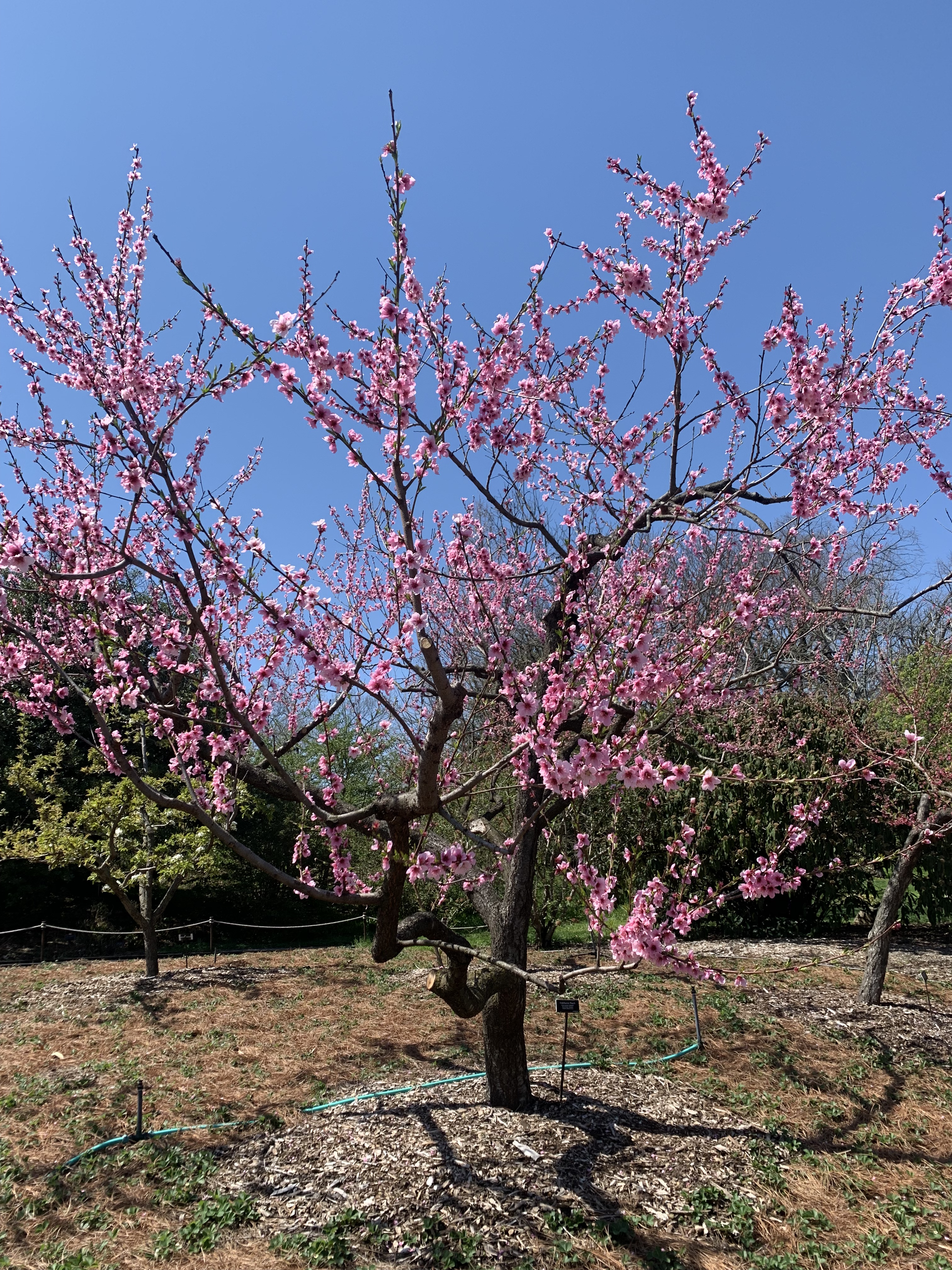
Due to a mild temperatures in the past week, cherry trees around the Garden are in full bloom. Also, it was nice to have the chance to admire the beauty of the yellow Saucer Magnolia. Crabapple trees were also stunning, as well as the peach tree.
I could notice a Kwanzan Cherry that had just started to bloom.

Here are some pictures I took today at the Brooklyn Botanic Garden

Visit our Instagram and watch our stories to get more live updates.

April 8, 2023

The past two weeks brought some cold nights. However, the majority were warm temperatures that speed things up. Sometimes even too fast.
While Cherry Blossom hits peak bloom this weekend in the city. It is the right time to plan where to go and watch the cherry blossom around the five boroughs. You can use our guide, which will give you some popular places, besides unique and less crowded ones.
Best places to catch the Cherry Blossom in NYC
Read more to check out what’s in bloom and what’s coming.


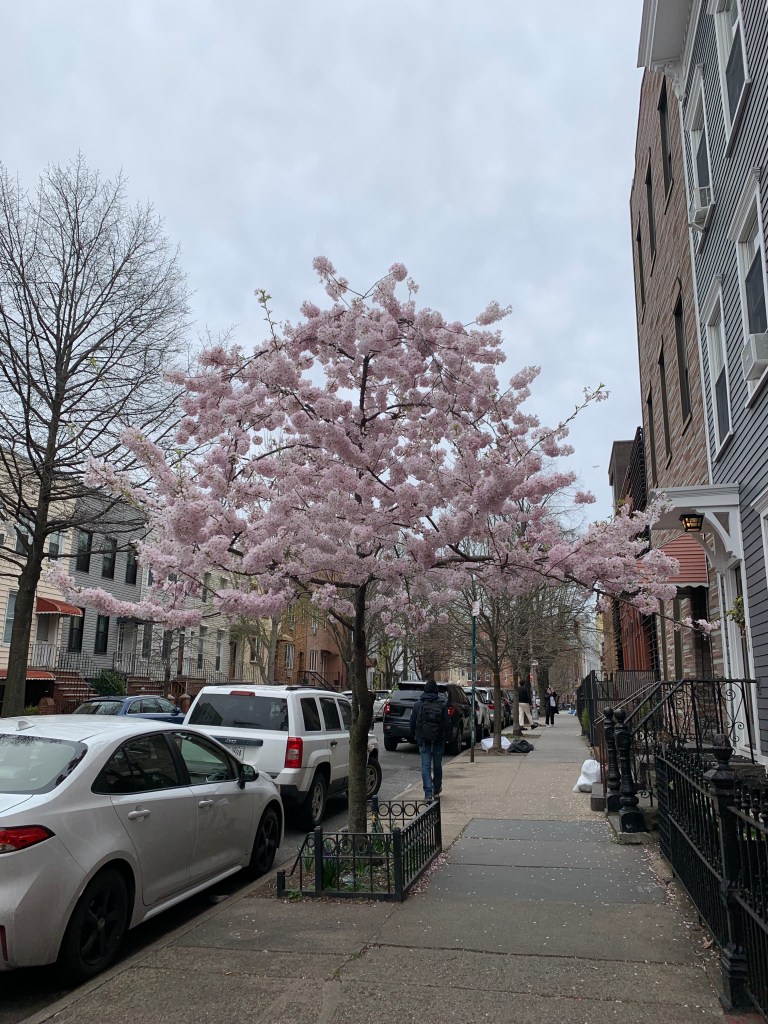
April 8, 2023 – Yoshino Cherry trees are in peak bloom. As I mentioned in my previous update, they usually hit peak bloom about two weeks after the peak in Washington DC. This year it was no different. I predicted them to reach their peak on April 8. Warmer temperatures allow them to reach their peak a few days earlier, on April 5, 2023. If you are looking for the best places to watch the Cherry blossom, we create a list just for you:
Best places to catch the Cherry Blossom in NYC
Daffodils can be found all around, and they look beautiful. Check out Hunter’s Point South Park for the beautiful Daffodils Hill. Some of the tulips are out as well. Although the majority are yet to bloom. Kazan cherries also seem close to their pre-bloom stage, and according to the forecast, I assume their beautiful pink flowers will pop out a week to 10 days from now.

Yoshino Cherry

Yoshino Cherry (or Japanese Flowering Cherry) is the one most are looking for, with a bit of almond-scented and whitish-pink blossoms, which bloom in spring on magnificent bare branches.
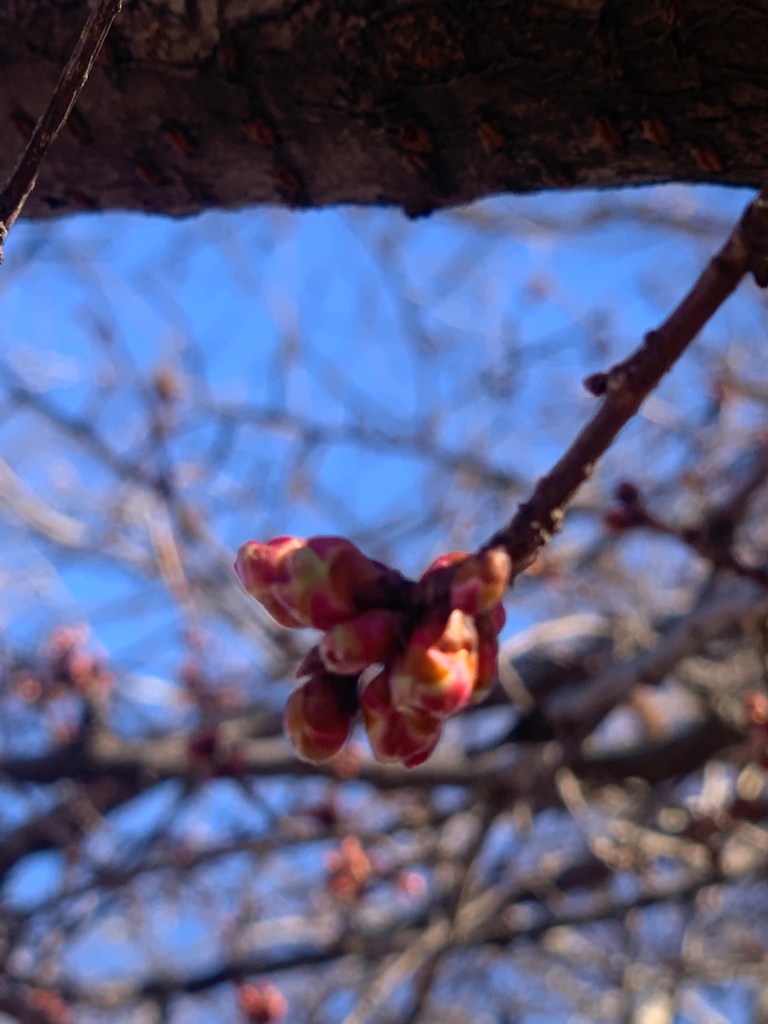
This week they have reached their six stages all around the city.
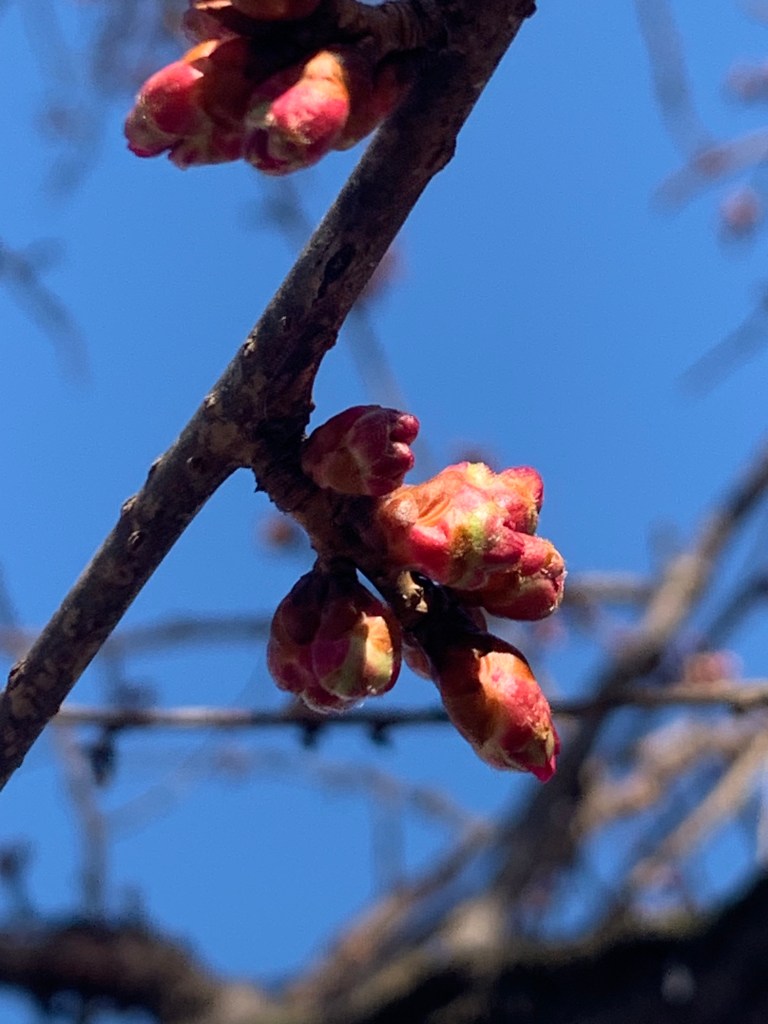
Depending on temperatures and wind, their pedals should last about a week before they start to drop on the ground.
The peak bloom in 2022 was on April 8. While this year they reached their peak bloom on April 5.

Here are more pictures from LIC and Williamsburg

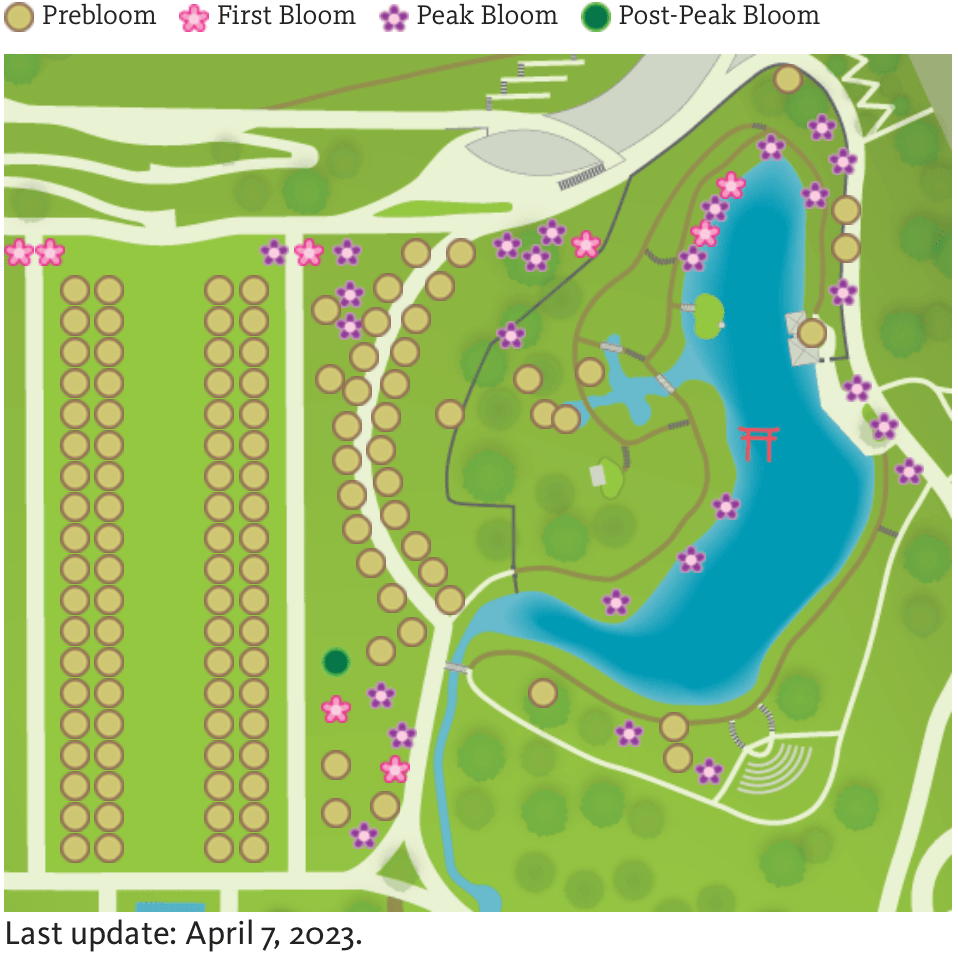
The Brooklyn Botanical Gardens has published its Cherry Blossom Map Track to see what’s in bloom around the Japanese gardens:
For more information, check their website: https://www.bbg.org/collections/cherries

Magnolia

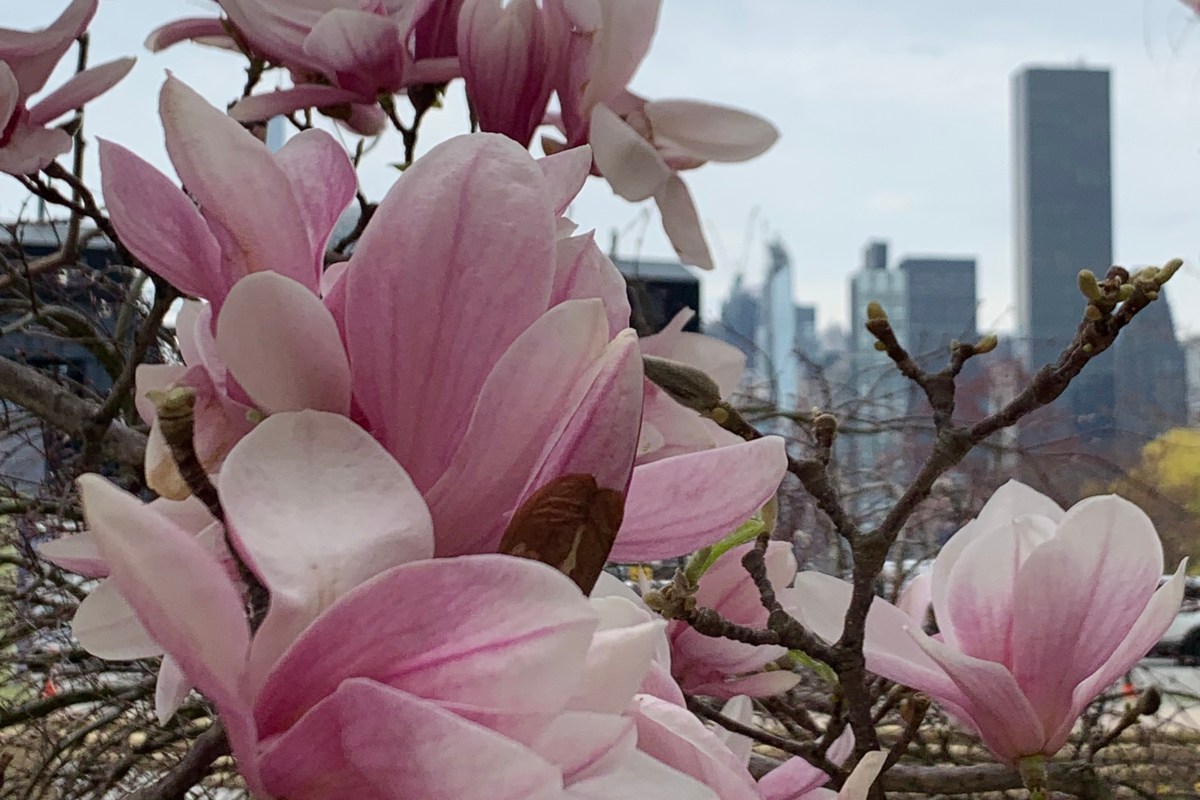
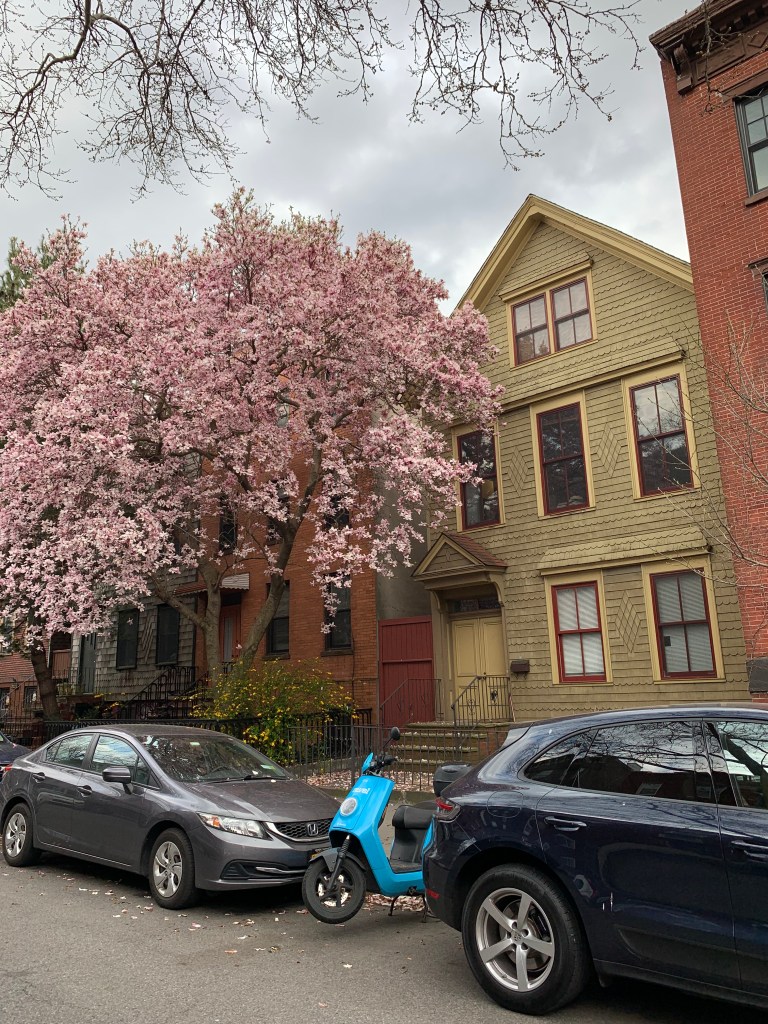
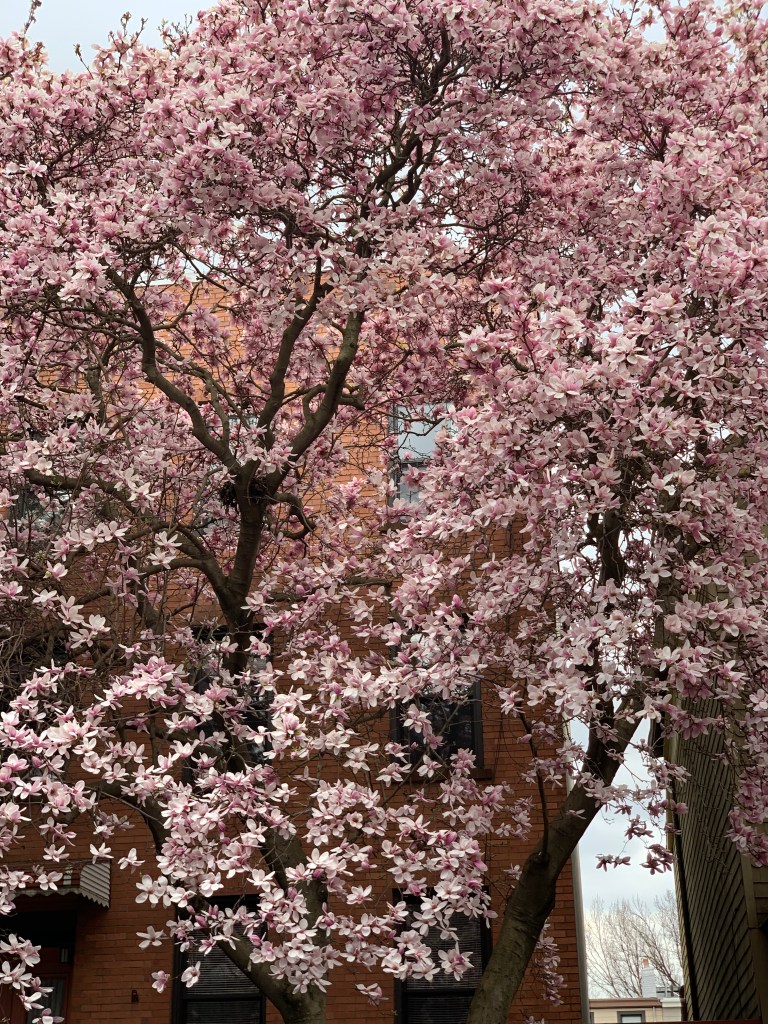
Saucer Magnolias are blooming, and most of them are in peak bloom, while some are starting to lose their pedals.
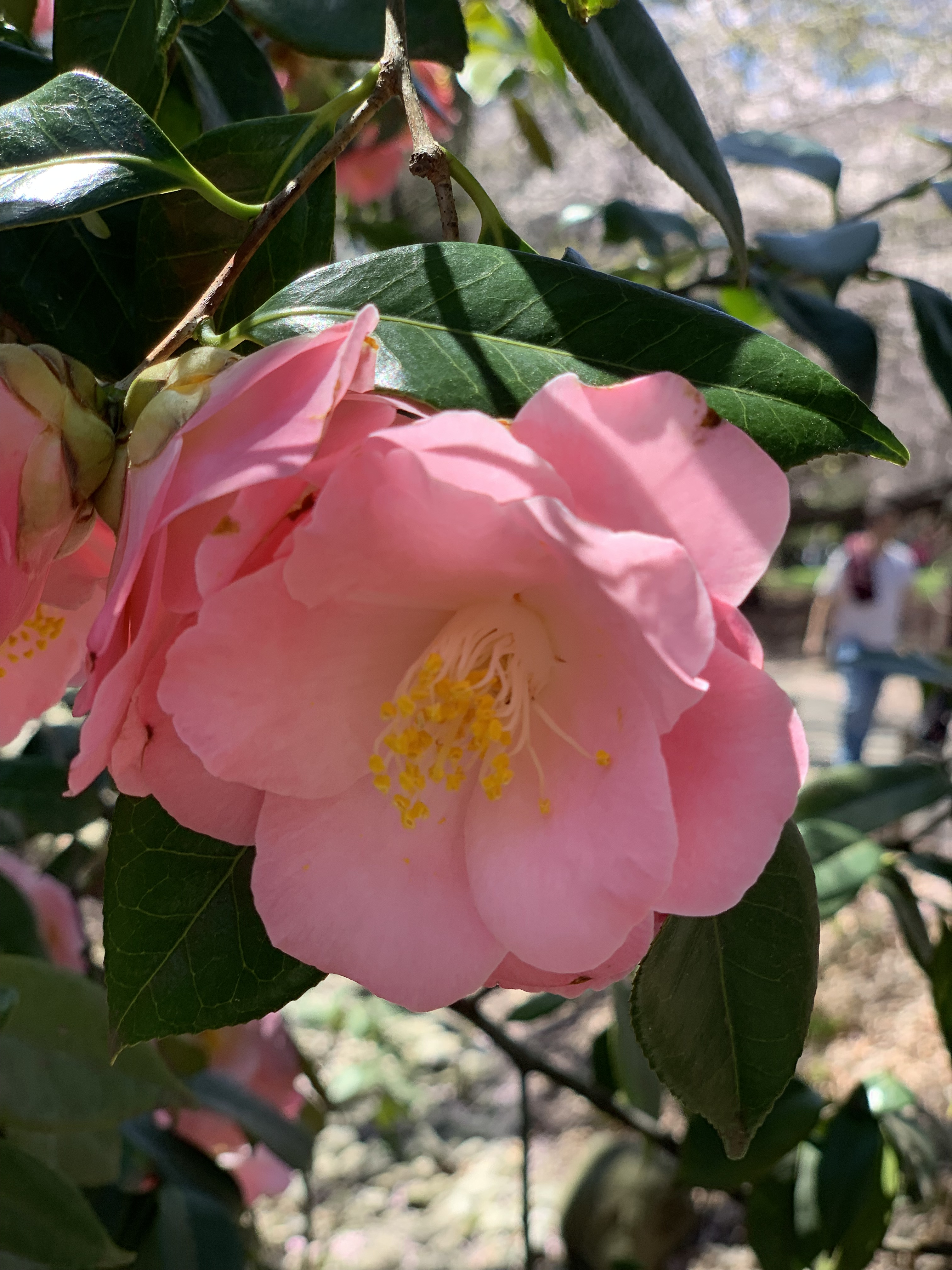
Here are pictures of beautiful Saucer Magnolia Trees from LIC and Greenpoint:

Callery Pears

Callery Pears are very popular around the streets of all five boroughs.
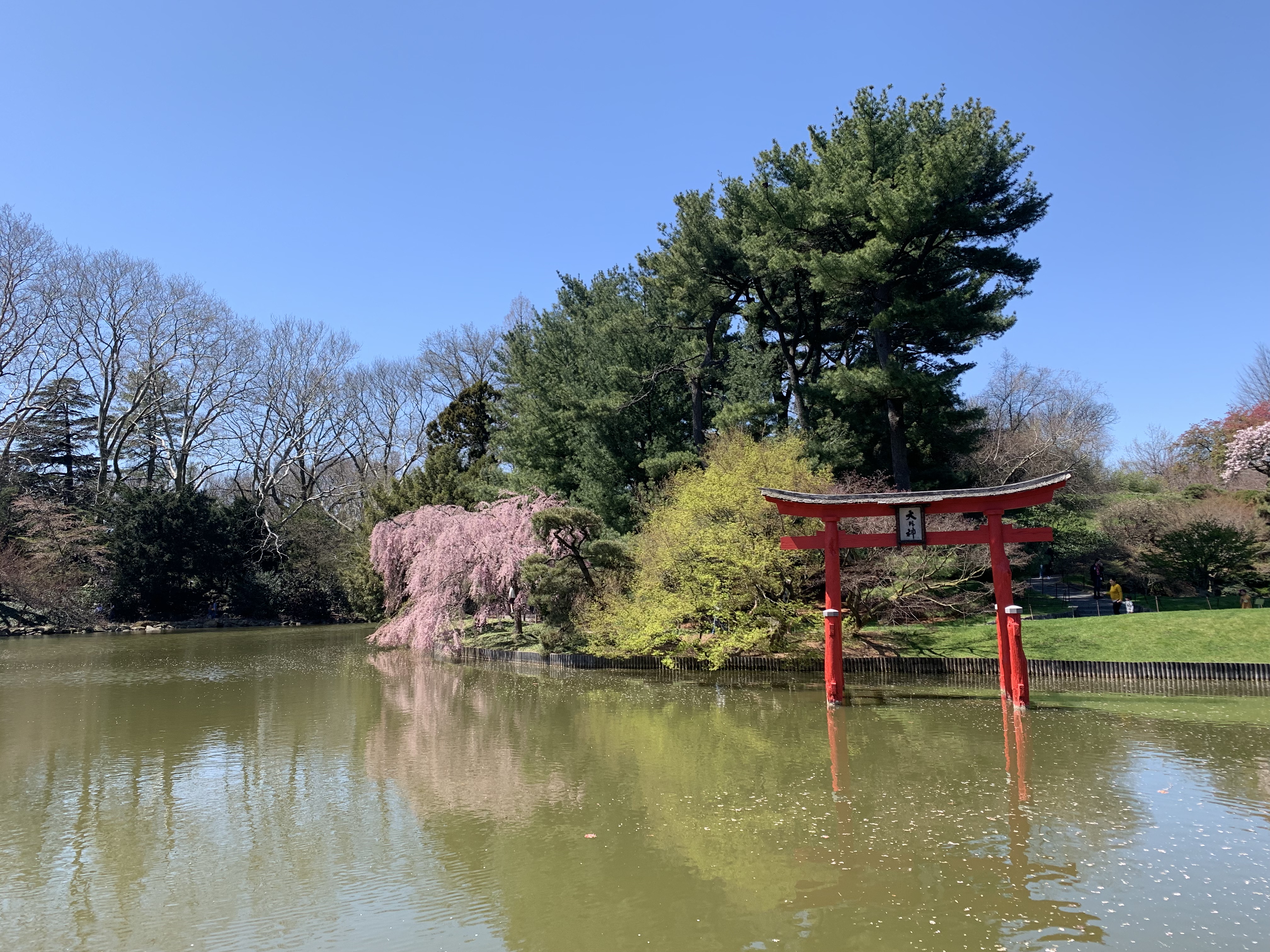
Unfortunately, this year the mild temperatures had ruined the blossom of some of the trees, and they skipped the bloom stage and went directly to the one when their green leaves come out. However, you can still spot some in full bloom, while others are half green already.
Although Callery Pears’ bloom is pretty, you may want to keep a distance due to their horrible smell.
Want to know where to see more Callery Pears around the city?

Check out our list of The Most Beautiful Streets with magnificent blossoms in NYC.

Tulips

One of the most anticipated symbols of spring is the tulips. They bloom in street planters, along Park Avenue, and in many other places around the city. Surprisingly, some are already blooming, but many others need more time.

What’s Next?

Crabapples around the city are getting close to full bloom, and their flowers should start open during this upcoming week.
It might be the same with the Eastern Redbuds, which developed many buds, that are just a week away from bloom.

Subscribe to stay updated and follow us on Instagram to get more reports, pictures, and videos.